Fire Roasted Pepper Salad

INGREDIENTS

  • Red bell pepper
  • Yellow bell pepper
  • Poblano pepper
  • 1 lemon
  • 1 tsp EVOO
  • 2 TBL honey
  • 1/2 tsp ground coriander
  • 1 dash Worcestershire
  • 1/4 C chopped fresh cilantro
  • Pepper and salt to taste

STEP BY STEP

  1. Blacken peppers under broiler or over open flame
    or in oven at 500º for about 10 minutes
  2. Put into plastic bag to sweat for 5 minutes
  3. Peel off skin – do not rinse under water
  4. Cut into strips
  5. Toss with all other ingredients
  6. Serve as a side to any protein

French Onion Burger

  1. Cut 1 sweet onion into thin slices
  2. Brown in 3 TBL butter and 1 TBL EVOO
  3. Halve a brioche bun and set aside
  4. Cook an 80/20 half pound hamburger patty till  135º or done
  5. Set patty aside, and mop up the bottom of the skillet with the cut sides of the brioche bun
  6. Top with Dijon cheese, chives and then some of the sauteed onion

Bread supplier

It doesn’t get more old school in Arizona than Sun City. Maybe that’s why Hugh and Pat McGurgan, who owned a bakery in Chester, New York, for over 10 years, opened their shop on the border of Glendale and Sun City in 2000. Since then, folks from all over the state have made the journey to this family-owned tradition for sweet treats (including the popular Devil Dog cake), and fresh baked rolls and bread including rye, Italian, French, and a heavenly pumpernickel worth the trip.

Grilled Bologna Sandwich

This is a great recipe that we ate a lot of during the cold Ohio winters.

INGREDIENTS

  • 1 Thick piece of bologna (about 1/2 inch thick)
  • 1 slice cheddar cheese – Swiss optional
  • 2 slices of sponge bread
  • Pickles for the side

STEP BY STEP

  1. Heat your skillet and put 1 TBL of butter and about 1 tsp EVOO in it
  2. As soon as the butter starts to turn brown, add your bologna
  3. Cook both sides 2-3 minutes each
  4. Set bologna aside and top with cheese
  5. Use your bread to mop up the oil in the bottom of the pan and then let the bread toast just a bit
  6. Top with bologna and serve with pickle spears on the side

Chili – COLLECTION INDEX

Misc Chili Ideas

  • Use beef brisket
  • Use 1/3 each beef, pork and lamb

Grandpa’s Chili Recipes

Grandma’s Chili Recipes

  • Grandma’s Basic Chili
    • This is the first chili she made for me.  Very simple, but very flavorful.
  • Chili for Sissies
    • Full of a lot of fresh ingredients, but very little in the way of heat.
  • Turkey Chili
    • Shredded or ground turkey or chicken.  Done in an hour.

Vegetarian Chili

Chicken Curry

INGREDIENTS

  • 1/2 C coconut
  • 1/2 C Cooked chicken
  • 1/2 C fresh tomatoes
  • 1 thai chili or serrano chili
  • 1/2 tsp cumin seeds
  • 1 TBL water
  1. Pulse above into paste

INGREDIENTS TO ADD TO SKILLET – IN ORDER

  • Heat up 1/4 C canola oil
  • 1 cinnamon stick
  • bay leaf
  • 5 whole cloves
  • 1 tsp whole cardamom seed
  • 1 tsp whole black pepper
  • 1 tsp turmeric
  • 1 tsp corriander
  • 2 cloves garlic
  • 1 tsp ginger
  1. Cook for about 10 minutes
  2. Add chicken paste
  3. Cook for 5 minutes
  4. Add 1 can coconut milk
  5. Bring up to a boil
  6. Simmer while you cut fresh chicken breast into thin strips
  7. Add chicken and cook for 15 minutes
  8. Add 1 TBL sugar and 1/2 tsp salt
  9. Add 2 TBL fresh chopped cilantro
  10. Serve topped with more cilantro and thinly sliced jalapeño


Breakfast Tart

4 C Flour
1/2 tsp Salt
1/2 C Sugar
2 sticks butter – cold
Pulse together till it looks like coarse meel

Add water until it starts to ball up

Wrap in plastic and refrigerate 1 hour

Flatten on board
Refrigerate 15 minutes
Let rest at room temperature for 3 minutes
then transfer using your rolling pin to tray
Put onto baking tray
Sprinkle with sugar
fresh fruit
sprinkle with sugar
wrap edge
425º for 25 minutes

Tips: Equipment

Essentials

  • Chef’s Knife – The best you can afford
  • Paring Knife – make sure it feels good in your hand
  • Ginsu Knife – really – I use mine all the time
  • Santoku Knife – middle of the road will be OK
  • Heavy duty meat cleaver
  • Sturdy kitchen shears – Ideally they come apart to clean
  • Honing/sharpening steel – Use at least every other time
  • Flat sharpening stone – I just send mine out yearly
  • Cutting Board – Small plastic and large plastic for raw meats and other things that cannot be eaten raw
  • Cutting Board – Butcher Blok or Kiln Dried Maple or Ash for veggies and things that CAN be eaten raw
    • Occasionally sand the board with a fine sandpaper, and then use a food grade mineral oil to treat the surface
    • Sanitize occasionally with white vinegar
    • Never into the dishwasher though

Incidentals, but Important

  • Smooth Edge Can Opener – no nasty cuts
  • Measuring Cups – good quality 1/4 C – 1 C
  • Measuring Spoons – good quality
  • Glass Measuring Cup – 4 C
  • Bench Scraper
  • Mixing Bowls – Stackable glass set
  • Large stainless steel mixing bowl – 20 quart ±
  • Salad Spinner / Colander
  • Strainer – Regular and fine
  • Vegetable peeler – even expensive ones will grow dull
  • Potato masher – sturdy / heavy duty
  • Whisks – one steel and one for non-stick pans
  • Grater / zester / microplane

Cookware and Bakeware

  • 12 inch stainless steel skillet with lid
  • 10 inch sauteé pan
  • 8 inch non-stick omelet pan
  • Saute pan – with lid
  • Small sauce pan – with lid – 2 quart
  • Medium sauce pan – with lid – 3 quart
  • Large pot – with lid – 5 qt Dutch oven is a nice choice
  • Large stock pot – with lid
  • Grill pan – nice to have, but optional
  • Cast Iron Skillet – lid optional
  • Heavy duty rimmed baking sheet
  • Wire cooling rack
  • Casserole dish – 9*9 and 9*12
  • Pyrex round glass pie plate
  • Bread loaf pan
  • Broiler pan

Cooking Tools / Hand Utinsels

  • Spatula – silicon and wooden
  • Stirring spoon – metal, silicon and wooden
  • Sturdy tongs
  • Ladel
  • Oven mitts or hot pads (3)
  • A rolling pin
  • Infrared thermometer – from ThermoWorks
  • Instant-read probe thermometer – ThermoWorks
  • Oven Thermometer – Alternately, test periodically with infrared

Appliances

  • Immersion Blender – alternate to a hand-mixer
  • Digital kitchen scale (with tare)
  • Countertop blender

Other Kitchen Essentials

  • Food storage containers – I use yogurt containers, etc
  • Aluminum foil
  • Parchment paper
  • Sandwich wrap – waxed paper
  • Saran Wrap (or similar)
  • Cloth towels
  • Paper towels – I use washable Dollar Store wash cloths
  • Sponges
  • Scrub sponges
  • Dish drying rack
  • Small and large trash bags – I use grocery bags in a mixing bowl
  • x

Fika – Swedish Doughnuts

Fika is a big part of every Swedes everyday life. Basically, fika just means to hava a coffee. But it is so much more than just that. It has been described as a social institution or even phenomena. Swedish people – often described as distant, calm and unsocial – love their fika.

Swedish Doughnuts

  1. Use a heavy cupcake pan, preferably one with round (not flat) bottom.
  2. Batter should be like very heavy pancake batter.
  3. Preheat oven and cupcake pan to 500º
  4. Put 1-2 tsp clarified butter into each hole
  5. Fill each hole halfway with batter
  6. Cook 12 minutes
  7. Take out and toss in granulated butter
  8. Serve with coffee

Fika Knots

  1. Create a thick pizza type dough, but with a bit of whole grain or raw oatmeal
  2. Proof for an hour
  3. Roll flat
  4. Spread with mixture of butter, sugar, cardamom and cinnamon
  5. Fold into fourths and roll flat, but thick
  6. Cut into strips
  7. Tie each strip into a knot and proof for another hour in a warm place
  8. Bake at 500º F for 10 minutes
  9. Remove from oven and brush with clarified butter and sugar on top
  10. Serve within 10 minutes of brushing

Tips: USDA Safe Food Handling

This information has been copied directly from the USDA website.  It is important enough that I am replicating it here.

Here is the direct link

Here is THEIR article…

Safe Food Handling Fact Sheets


Cooking for Groups

Cooking For Groups | En Español | En Español PDF
This information will help volunteers prepare and serve food safely for large groups such as family reunions, church dinners, and community gatherings. Get the booklet, artwork, and more.


For General Audiences

Basics for Handling Food Safely | PDF | En Español | En Español PDF
Lists safe steps in food handling, cooking, and storage; includes a cold storage chart.

Be Smart. Keep Foods Apart. Don’t Cross-Contaminate
By following these simple steps, you can prevent cross-contamination and reduce the risk of foodborne illness.

The Big Thaw — Safe Defrosting Methods — for Consumers | PDF | En Español | En Español PDF
Learn about the three safe ways to defrost food: in the refrigerator, in cold water, and in the microwave.

“Check Your Steps” Children’s Color Quiz (PDF Only)
Fill-in-the-blank and matching activity for kids.

Cleanliness Helps Prevent Foodborne Illness | PDF
By keeping everything clean that comes in contact with food, consumers can be assured they are helping to do their part to Fight BAC!®

Color of Meat and Poultry | PDF | En Español | En Español PDF
What factors affect the color of meat and poultry? What do color changes mean in terms of food safety?

Cooking Safely in the Microwave Oven | PDF | En Español | En Español PDF
This fact sheet lists the basics for safe microwave cooking or reheating.

Cutting Boards and Food Safety | PDF
To avoid cross-contamination, choose and maintain your cutting boards with food safety in mind.

“Danger Zone” (40 °F – 140 °F) | PDF | En Español | En Español PDF
Leaving food too long in the temperature “danger zone” causes foodborne bacteria to grow to levels that can cause illness.

Deep Fat Frying and Food Safety | PDF
Important guidelines to prevent deep fat frying injuries at home, and to ensure that food is cooked to a safe temperature.

Doneness Versus Safety | PDF | En Español | En Español PDF
Is “done” the same thing as “safe”? What does it mean to cook to proper temperature?

Door-to-Door Meat Sales | PDF | En Español | En Español PDF
Consumers must know important information about the dealer and the company before making a decision they might later regret.

Fighting BAC!® by Chilling Out
Cold temperatures keep harmful bacteria from growing.

Food Product Dating | PDF | En Español | En Español PDF
Background information on what dates do and don’t tell you about the safety of your food.

Food Safety After School | PDF | En Español PDF
Learn why children are at risk for foodborne illness and know the kitchen practices that help keep them from becoming ill.

Food Safety Counts! (PDF) | Alternate Text
Always “Check Your Steps” to protect your family from food poisoning.

Food Safety Tips for College Students | PDF
The USDA Meat and Poultry Hotline answers questions from parents or students about the handling and storage of food for college kids.

Food Safety Tips for Home Delivered Meal Program Participants
Available from the National Resource Center on Nutrition and Aging.

Food Safety While Hiking, Camping & Boating | PDF | En Español | En Español PDF
Whether you are in your kitchen or enjoying the great outdoors, there are some food safety principles that remain constant.

Food Safety Quiz | En Español | En Español PDF
Four questions to check basic knowledge of the Be Food Safe principles.

Freezing and Food Safety | PDF | En Español | En Español PDF
How to freeze food safely and how long to keep it.

Grilling and Food Safety | PDF | En Español | En Español PDF
Use these simple guidelines for grilling food safely.

Handling Food Safely on the Road | PDF | En Español | En Español PDF
Plan ahead and pack safely for the camping trip, boat ride, day at the beach or trip in the RV.

High Altitude Cooking | PDF | En Español | En Español PDF
Food safety considerations for cooking meat, poultry, and egg products at altitudes above 3,000 feet.

Hotline Answers “Panic Button” Food Safety Questions | PDF | En Español | En Español PDF
During the holidays, people are busy and can sometimes forget that unsafe handling and cooking can lead to foodborne illness. Here are some questions callers have asked regarding the safety of their holiday foods.

How Temperatures Affect Food | PDF
Keep food out of the Danger Zone between 40° and 140 °F.

Keep Food Safe! Food Safety Basics | PDF
Safe steps in food handling, cooking, and storage are essential in preventing foodborne illness.

Keep Hands Clean! with Good Hygiene (PDF Only)
Colorful 8½ by 5½ card conveys the theme for National Food Safety Education Month 2005.

Keeping “Bag” Lunches Safe | PDF | En Español | En Español PDF
Food brought from home can be kept safe if it is first handled and cooked safely.

Kitchen Companion: Your Safe Food Handbook (PDF Only)
This food safety handbook contains all the basic information you need to know about food safety…some old, some new… and all in one place.

Leftovers and Food Safety | PDF
USDA recommendations for handling leftovers safely to prevent foodborne illness.

Let Me Tell You How Dad Got Sick! | PDF | En Español | En Español PDF
This story of a case of foodborne illness is told in comic book format.

Mail Order Food Safety | PDF | En Español | En Español PDF
These tips will help the purchaser and recipient determine if their perishable foods have been handled properly.

Meat and Poultry Packaging Materials | PDF
Explains various types and uses of packaging materials and how their safety is regulated by government agencies; includes a glossary of packaging terms.

Mechanically Tenderized Beef | PDF
USDA now requires meat processors to disclose mechanical tenderization and give safe cooking instructions to consumers.

Microwave Ovens and Food Safety | PDF
This comprehensive fact sheet answers all your microwave questions.

Molds On Food: Are They Dangerous? | PDF | En Español | En Español PDF
Includes a chart, Moldy Food: When to Use, When to Discard. This information is helpful after an extended power outage or a flood.

No-Show Guests Jeopardize Food Safety | PDF
When guests encounter emergencies and the meal must be delayed or cancelled, food must be handled “just right” to remain safe.

Refrigeration & Food Safety | PDF
Covers the importance of refrigeration, placement of foods, proper storage temperatures and times.

Safe Handling of Take-Out Foods | PDF | En Español
Keep take-out and delivered foods safe and store leftovers properly.

Safe Minimum Internal Temperature Chart | PDF
One-page fact sheet that lists USDA’s recommendations.

Shelf Stable Food Safety | PDF
Answer your questions about the safety and proper storage of shelf stable foods — those that do not require refrigeration, like (most) canned goods; learn about the science behind modern food packaging methods.

Slow Cookers and Food Safety | PDF | En Español | En Español PDF
Used correctly, this countertop appliance is safe and convenient.

Smoking Meat & Poultry | PDF | En Español | En Español PDF
Where there’s smoke, there’s well flavored meat and poultry. Using a smoker is one method of imparting natural smoke flavor to large cuts of meat, whole poultry, and turkey breasts.

Specialty Devices and Food Safety | PDF | En Español | En Español PDF
Facts about thawing trays, solar box cooking, disposable temperature indicators, thermoelectric cooler/warmers.

Tailgating Food Safety Q & A | PDF
A tailgate gathering requires the same safe food handling practices as picnicking outdoors because a refrigerator and running water are probably not available.

Top Ten Reasons to Handle Your Food Safely | PDF | En Español | En Español PDF
Published in honor of the Meat and Poultry Hotline’s 10th year; updated in honor of its 25th year of operation.

Washing Food: Does It Promote Food Safety? | PDF
How to prevent cross-contamination; safe cleaning methods.

Your Family is First, Keep them Safe (PDF Only)
English translation of Su Familia es Primero – Manténgala Sana y Protéjala de Intoxicaciones Alimentarias (PDF). See our En Español pages for more Todo Cuenta materials.
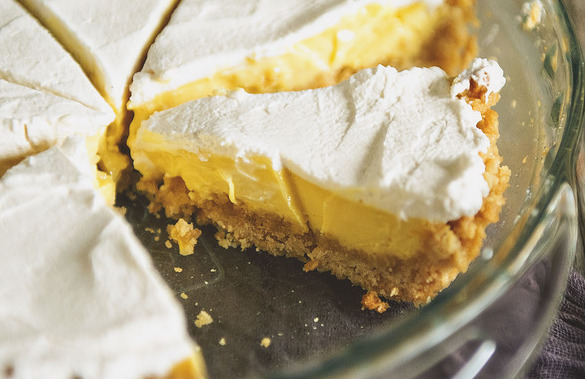

Key Lime Pie – Easy

SALTINE CRUST

  • 1 1/2 Sleeve square saltine crackers
    – crush and pulse in food processor till coarse crumbs
  • Add 1/8 tsp salt
  • Add 10 TBL melted butter
  • 1/3 C Sugar

GRAHAM CRACKER CRUST

  • 8-10 graham crackers
  • 1/3 C Sugar
  • 1 stick melted butter

STEP BY STEP

  1. Press crust into 9 inch pie plate
  2. Blind bake at 300º for 10
  3. In mixing bowl combine 1 can (14 oz) sweetened condensed milk, 4 egg yolks, 1/4 C heavy cream, 1 TBL lime zest, 1/8 tsp salt and 1 C fresh lime juice
  4. Pour into warm pre-baked pie shell
  5. Bake at 350º for 15-17 minutes
    – Should jiggle in the center, but the outside should be set
  6. Cool completely on the counter, then transfer to refrigerator for 4-6 hours

WHIPPED TOPPING – OPTIONAL

  • Put into kitchen aid – 1/2 C heavy cream, 2 tsp sugar, 1/2 tsp vanilla – Start on low speed, and increase to high – until stiff peaks


Caramel Corn

  • 1 Bag of Act II Butter Microwave Popcorn (or equivalent)
  • 1/4 C butter
  • 1/2 C brown sugar
  • 2 TBL corn syrup (or dark Karo syrup)
  • 1/4 tsp salt
  • scant baking soda
  • scant tsp tip vanilla extract
  1. Preheat oven to 250º
  2. Place popcorn in a large bowl
  3. In a sauce pan melt the butter
  4. Stir in brown sugar, corn syrup and salt
  5. Bring to a boil and stir for 4 minutes (CAUTION:  HOT)
    ALT: Heat until temperature is 238 – 240º (Soft ball stage)
  6. Remove from heat and stir in baking soda and vanilla
  7. Pour in a thin stream stirring continually to coat
  8. Place in oven for 45 minutes – stirring every 15 minutes
  9. Remove from oven, let cool, then break into pieces
    OR pour into small ramekins to make popcorn balls

Tips: Edible Colors

Here is a list of things that you can use to color food items, rather than food coloring.

  • Red – Beet juice
  • Red – Tomato Paste
  • Green – Pesto
  • Green – Blanched Spinach
  • Orange – Colorante (Amazon)
  • Yellow – Colorante (scant)
  • Black – Activated Charcoal
  • Black – Squid Ink

… and you can always use food coloring

Here is an example:
Color pie dough whatever color you like and roll thinly
Spray with Pam
Use metal spoons to form edible spoons – or use binder clips
Bake wrapped in foil – 5 minutes @ 350º

Put appetizers in the spoons

  • Shred radish
  • Olive tapenade mix
  • Tomato
  • Proscuitto
  • Black River caviar
  • Kalamata olives
  • Salmon with creme fresh
  • Fois gras
  • Cheese
  •  

Grandpa’s Guac

SEE OTHER GUACAMOLE RECIPES

INGREDIENTS

  • 4 very ripe avocados (end stem should fall off easily)
  • Zest and juice from two limes
  • 1/2 sweet onion – thick slices
  • 1/2 red onion – thick slices
  • 1 tomato – thick slices
  • 2 jalapeños
  • 1 serrano pepper
  • 2 cloves garlic
  • 1 tsp sea salt
  • 12 or more sprigs of fresh cilantro
  • 1/2 tsp cumin
  • 1 tsp distilled white vinegar
  • A dash or two of Choloula

STEP BY STEP

  1. Roast garlic, onions, tomato and peppers over a flame, or broil for 5 minutes.
  2. Dice onion, tomatoes and garlic.
  3. Remove skin, seeds and vein from peppers.
  4. Dice cilantro, tomato and seeded jalapeño
  5. Mix everything except the avocado together in a large bowl
  6. Dice avocado – See Tips and Tricks below

Grandpa’s Salsa

SEE OTHER SALSA RECIPES

CLICK HERE TO ADD RECIPES

Shopping Cart Salsa

salsa-winnerThis salsa was originally named Shopping Cart Salsa. You pick up the items, pulse them, and you are done. This recipe was entered into my granddaughter’ school salsa contest and it took FIRST PLACE! Congratulations Leighann.

Also provided for Yesica for a thank-you for excellent care at JCL.

INGREDIENTS

  • 4 roma tomatoes, chopped
  • 3 tomatillos, peeled, washed and chopped
  • 1/2 vadallia onion – chopped
  • 5 cloves smashed fresh garlic (or to taste)
  • 1 entire bunch chopped fresh cilantro
  • 3 TBL lime juice
  • 2 entire bunches chopped scallions (greens only)
  • 4 jalapenos (seeded and de-veined for milder salsa)
    • optional:  substitute de-veined serrano peppers
  • 1/1 tsp salt and a pinch of pepper (to taste)
  • 1 tsp seasoned Rice Vinegar

STEP BY STEP

  1. Prepare as shown above, then combine all ingredients into a blender and pulse for just a few seconds – you still want it fairly chunky.
  2. Store in a medium bowl and mix well.
  3. Cover and refrigerate overnight for best results.

Chicken and Diamonds

Original recipe by Edna Lewis

Preparation One:  Create a Dough to Make the Diamonds

  • 1 C Bisquick
  • scant salt and pepper
  • 1 TBL melted or grated butter
  • 1/4 C buttermilk
  1. Mix all ingredients, rolling and forming by hand at the end
  2. Cover with plastic and rest for two hours (up to 24 hours)
  3. Roll flat (about 1/8 inch) on well floured surface
  4. Use pizza cutter and cut parallel lines
  5. Rotate 30 degrees, and cut similar parallel lines
  6. Toss in dry flour to keep from sticking

Preparation Two: Cook Chicken

  • You need 2 C broth, 1/2 C water, celery and onion
  1. Brown thawed chicken meat (skin side down) in deep pot
  2. Add 2 C broth and 1/2 C water
  3. Add 1 rib celery and 1/4 onion (whole)
  4. Bring to a boil, then cover and simmer 25 minutes
  5. Discard celery and onion and plate chicken – set aside to cool

Preparation Three: Cook Noodles

  1. Bring stock back to a boil, then reduce heat to medium low
  2. Put noodles into stock, stirring so they don’t stick
  3. Cover and simmer 15 minutes

Preparation Four: Combine Chicken and Stock

  1. Shred cooled chicken
  2. Put back into pot for about 60 seconds to reheat
  3. Serve in slurp-able bowl

Tips: Starch Thickeners

Most people use cornstarch as a thickener because that is what has always been used. It is also widely available; HOWEVER, after Passover (the Jewish holiday) Manischewitz (man-i-chev-its) potato starch is usually widely available and on sale.

Here is a quick comparison of different starches from the website YUMMY.

Cornstarch

Cornstarch of cornflour is a fine, powdery starch that’s made from corn. It is a pure starch thickener, so compared to flour, a smaller quantity is needed to thicken the same amount of liquid. It is fast-acting too, thickening a sauce almost immediately when added to nearly boiling liquid. Asian-style dishes often use cornstarch, as sauces thickened with this starch remain clear and shiny. It is also used as a coating for fried chicken, pork, and fish.

Rice Flour

Rice flour is a type of flour derived from finely milled white or brown rice. It is gluten-free, thus it is often used as a substitute for wheat flour. Aside from being the main ingredient in noodles and native sweets, rice flour is also used for coating meats before frying.

Tapioca Starch

Extracted from the cassava root, tapioca starch is one of the purest forms of starch. It is gluten-free and is a popular thickening agent for sauces and dessert fillings. Like other root starches, it gelatinizes at relatively lower temperatures and produces sauces that are clear, shiny, and silky. It also has a less forward flavor once cooked. In Thai cuisine, water chestnuts are dredged in tapioca starch to make the classic dessert of red rubies with coconut milk. It can also be used as a coating for fried meat.

Potato Starch

Potato starch is a very refined root starch extracted from potatoes. Since it contains minimal protein or fat, sauces thickened with this starch are more translucent and glossy, with a silkier mouthfeel and a neutral flavor. It is also a good thickener for custards, puddings, and pie fillings. It is an ideal thickening agent for dishes or sauces that will be refrigerated or frozen, since it prevents liquids from separating, unlike sauces made with cornstarch.

Sweet Potato Flour

Sweet potato flour is a gluten-free root starch produced from white sweet potatoes or kamote. It is dull white in color with a stiff and somewhat coarse texture. It is commonly used as a coating for fried meats and poultry and also as a starch for gluten-free baked goods such as breads, cookies, muffins, and pancakes. It may also be used to thicken sauces and gravies.

Kona Kampachi Tiradito

Get a very fresh fish such as Jack.  Bright red gills, clear eyes, no fishy smell.

  1. Make slurry with lemon zest, ricotta, yuzo, A-1 sauce, chive and parsley.
  2. Prepare garnish:  flower, mint, pineapple, papaya, watermelon radish
  3. Spread slurry on a plate
  4. Place garnish to the side
  5. Slice VERY thin slices of raw fish and shingle on top of the slurry
  6. Sprinkle with a bit of cayenne

Muffalatta Turkey Sandwich

  • Cooked turkey breast sliced thin
  • Provalone cheese – sliced thin
  • Cappicola
  • Genoa Salami
  • Tomato sliced thin
  • Olive Tapenade (see recipe below)
  • Soft brioche bun

Olive Tapenade:  Finely minced carrot, garlic, green olive, capers, sauteed onion, finely minced celery, capers, roasted bell pepper or sun dried tomato, EVOO.

  1. Slice briche
  2. Spread both halves heavily with the Olive Tapenade
  3. Put cheese on both halves
  4. Layer other ingredients on one half, then put the whole thing together
  5. S-Q-U-E-E-Z-E  the sandwich flat and wrap in plastic
  6. Let tapenade absorb into the bread for an hour or two in the fridge
  7. Halve and plate on a large leaf of lettuce.
  8. Serve with a pickle on the side

Avocado Hollandaise – VEGAN

This is really simple, and is great on grilled vegetables (eg) Eggplant, asparagus, bell pepper, green onion, carrots, onion, garlic, mushrooms, zucchini, tomato, squash, etc.  This is also a VEGAN / VEGETARIAN recipe.

Put into blender:
1 ripe avocado
1 tsp lemon juice
Salt and pepper to taste
Cayenne pepper to taste

Emulsify 2 TBL EVOO
(drizzle in slowly while blender is running)

HTML Snippets Powered By : XYZScripts.com