Non-Perishable Emergency Food

9 Nutritious Nonperishable Foods To Stock for Emergencies

Grocery store aisle showing canned beans in tomato sauce in focus. Down the aisle and out of focus is a woman with a shopping cart.

Natural disasters can strike at any time, often with little or no warning. Even when meteorologists are able to issue early warnings, the public response is often panic buying — leaving grocery store shelves near-empty and bottled water nowhere to be found. When these unlikely events occur, all you can do is be as prepared as possible. This includes having a fully stocked pantry with plenty of nutritious and nonperishable foods. These long-lasting provisions can help you get by until your life returns to normal. Here are a few essentials you should have on hand, just in case.

Canned Tuna

Canned tuna can last for up to several years if kept in a cool, dark place, making it one of the better emergency foods available. Each tin of tuna is loaded with protein to keep you energized, and plenty of healthy omega-3 fatty acids for eye and brain health. Tinned tuna is versatile as well, and can be enjoyed in a sandwich, salad, pasta dish, or even straight out of the can if your supplies are limited. If you’re not a fan of tuna, canned salmon and chicken are suitable substitutes.

Dried Fruit

Fresh fruit can go bad in a matter of days, especially if you’re currently without refrigeration. But dried fruit can provide you with essential nutrients for weeks, if not months. Pick up a bag of dried fruit — preferably one without added sugars, as those could cause dehydration. Also get a package that’s easy to reseal, as a tight seal can keep the dried fruit fresher until things return to normal.

Protein Bars

Protein, granola, and cereal bars are the perfect handheld snack for staying energized when you’re digging your car out of 10 feet of snow. They’re also kid-friendly, and for the most part, not messy. They’ll keep you feeling full and can even be used as a meal replacement if necessary. When shopping for bars that pack a nutritional punch, look for options with high protein content (10 grams or more), no added sugars, and low carbohydrates (under 20 grams).

Peanut Butter

Peanut butter is rich in healthy fats and touts plenty of protein, making it a great item to keep on hand in case of emergency. Unopened commercial peanut butter can last six to nine months at room temperature. Once opened, it will remain safe to eat for two to three months. In these situations, it’s best to avoid natural peanut butter, which doesn’t contain stabilizers and needs to be refrigerated. Peanut butter is delicious whether you’re vegan, vegetarian, or a meat eater. Enjoy it straight from the jar, on crackers or toast, or in a creamy sauce for noodles.

Bottled Water

Some emergency situations result in contaminated or no running water, which may mean you’ll have difficulty finding water that’s suitable to drink. This is why you should always have an emergency supply of bottled water. Experts recommend having a three-day supply of bottled water on hand, which equates to around a gallon per day for each person in the household. This water can be used for drinking, cooking, bathing, or brushing your teeth until the communal water is safe to drink again.

Trail Mix

Most bags of trail mix contain nuts that’ll keep you full of energy, which can be especially helpful if you’re running around after an emergency. Just try to avoid trail mix that contains a lot of candy, as sugary treats may dehydrate you and make you feel worse. Shop for trail mixes that come in resealable bags, which can keep the contents fresher for longer.

Rice and Beans

Cans of beans and bags of rice are easy to cook when your supplies and appliances are limited, so long as you have access to an open flame or another heat source. Beans are full of protein and essential minerals such as iron and potassium, while rice has plenty of carbs to provide the body with energy. Even better, beans and rice last for a long time, so they’ll be readily available whenever an emergency strikes.

Energy Drinks

Not only is it critical to have drinking water, but energy drinks can also help replenish essential fluids and electrolytes. Keep a few bottles of Gatorade or Powerade handy to provide fuel when a disaster hits. You can also purchase electrolyte drink powders or tablets, such as Liquid IV, LMNT, or Nuun, which you can add to a glass of water for a boost of hydration whenever you need it.

Pet Food

Don’t forget about your fur babies in an emergency situation. While you may like giving them freshly cooked steaks fit for a human, sometimes (as in the event of a natural disaster) you simply don’t have the means. Be sure to have a backup supply of cans or bags of pet food handy. Dry pet food can last up to a year and a half if properly sealed, so purchase a big bag and keep it tucked away in a cool, dry place just in case. Unopened canned food can be eaten by your pet up to two years after its manufacturing date and also can help keep your dog or cat hydrated.

Nonperishable foods are good to have on hand whether you’re preparing for hurricane season or need a quick dinner made from pantry staples. To make it easier on your wallet, pick up a few extra items every time you shop for groceries. While most disasters are unlikely to require more than a three-day food supply, stocking your pantry for two weeks of nutritious meals is even better.


No Refrigeration Needed

19 Items Professional Chefs Never Refrigerate

1. Ketchup

Ketchup is something I’m always surprised to see in the fridge. Who wants cold ketchup on their hot fries or burger? Its acidity level is high enough to prevent microbial growth, and its sugar content is also a preservative. Just keep it out of direct sunlight, and it should be fine.

2. Potatoes

Many fruits and vegetables benefit from being stored in the fridge, but spuds are an exception. In refrigeration, they convert some of their starches to sugars (a natural antifreeze), which messes with their flavor and texture. They need a couple of weeks after coming out of refrigeration before the sugars revert to starches, which drove me crazy when I was preparing hand-cut fries at my restaurants. Chilled potatoes brown too quickly, making the fries darker than desired.

3. Mayonnaise

This one may surprise you if you grew up on stories of people getting sick at picnics from foods containing mayonnaise, but it’s true. Store-bought mayonnaise is acidic enough to keep safely at room temperature. Don’t believe me? According to Hellmann’s (aka Best Foods), the top-selling mayonnaise company in the U.S., its product can be stored at room temperature for up to a month after opening, or two months in the refrigerator.

The problem is actually the foods you mix with the mayo. I buy mine in the big jar and use it to refill a squeeze bottle. I only ever reach into the jar with scrupulously clean utensils, so food never comes in contact with it.
Related:

Important note: This only applies to commercial mayonnaise. Your homemade mayonnaise is extremely perishable and requires proper refrigeration.

4. Mustard

Mustard, like ketchup, is a condiment with more than enough acidity to keep it food safe. This applies to plain old yellow “ballpark” mustard, the hot English style, Dijon mustard, or grainy deli-style mustard … whatever you’ve got, in other words.

5. Soy Sauce

I always have a bottle of soy sauce sitting on a shelf near my kitchen work area, and it never goes into the fridge. Its high salt content keeps it food safe, and I use it frequently enough that it never goes bad. (Soy sauce adds a great umami kick to anything you cook.) The same goes for my bottle of Worcestershire sauce that sits beside it.

6. Tomatoes

There are a lot of fruits that only ripen properly at room temperature, and tomatoes are one of them. (We eat them as a vegetable, but they’re technically fruit.) If you refrigerate tomatoes before they’re adequately ripened, their flavor is stunted and their texture suffers. You can refrigerate them once they’re fully ripe to prolong their freshness, but they’ll taste better if you let them come to room temperature before you eat them.

7. Hot Sauce

Hot sauce is another food that’s acidic enough to store sans refrigeration. It’ll last for months at room temperature, and its flavors will remain full and bold. After about six months, though, the hot sauce will finally begin to lose its potency. If you only bring out that bottle of Tabasco a couple of times a year for bloody marys, it’s probably best to refrigerate it.

8. Avocados

Scroll up a few lines to the section about tomatoes — that applies to avocados as well. They simply won’t ripen in the refrigerator, full stop. So leave them on the counter until they’re ripe, and then use them quickly. If you have more than you’ll use in a day or so, at that point, it’s OK to refrigerate the rest to keep them from progressing to the “eww, ick” stage.
Related:

9. Fresh Basil

Most fresh herbs will keep for a long time when stored in the fridge, but basil is an exception. Simply put it in a glass of water and place it on the countertop. (Trust me on this — I grow basil in my garden every year.) That’s why good supermarkets leave the herb out, often near the tomatoes, rather than put it in a refrigerated case.

10. Stone Fruit

Stone fruits, such as peaches, plums, and nectarines, fall into the same camp as avocados and tomatoes because they’ll never fully ripen if you pop them in the fridge. Instead, they’ll develop a mealy texture, which is not what you want at all. As with tomatoes and avocados, though, if you’ve cut into one and won’t finish it, it’s OK to refrigerate the remainder to prevent it from spoiling.

11. Nuts

I’ve personally gone both ways on this, because keeping nuts refrigerated does stop their natural oils from going rancid. Cooler temperatures mess with their flavor and texture, though, so I’ve gone back to buying only what I’ll use in a reasonable time frame and storing them in my pantry. An exception is the pine nuts I use to make pesto, which I buy in bulk and keep vacuum-sealed in my freezer between summers.

12. Chocolate

If you spring for some really good chocolate for baking or an occasional treat, you may be tempted to keep it in the fridge. Don’t do that. The cocoa butter in chocolate misbehaves at cold temperatures, giving it a disappointingly crumbly texture and powdery surface over time. The latter issue is known as “bloom,” and it’s just the cocoa butter coming to the surface, so don’t throw away your chocolate if you see it. It’s perfectly fine to eat and will melt away if you bake with it.

13. Coffee

Like chocolate, its frequent partner, coffee tastes best when not frozen or refrigerated. The chill dampens the volatile oils that give coffee its robust flavor, and going in and out of the fridge can cause condensation on the beans or ground coffee (especially in humid climates like mine). Condensation can lead to spoilage, which is pretty ironic in this context.

14. Apples

I live in apple-growing country, and my grandkids and I eat a lot of apples. OK, they eat the first few bites of a lot of apples, but the point remains the same. Apples are a naturally long-keeping fruit, and refrigeration can mute their flavors. Don’t do it unless the apples are cut up or getting past their prime.

15. Nutella and Peanut Butter

These spreads are also beloved by my grandkids, and both are perfectly fine (better, even) when they aren’t refrigerated. Mainstream peanut butter brands are packed with preservatives and will last months without issue. Natural peanut butter only needs refrigeration if you don’t eat it often. Chocolate and hazelnut Nutella, and its competitors, develop a weird texture if they’re refrigerated.

16. Honey

It would never occur to me to refrigerate honey, so I was quite surprised to learn that some people do. Sugar is a preservative, and honey is mostly sugar. It will last for centuries when sealed to keep out moisture, so relax and leave it in the pantry. Refrigeration also makes honey crystallize faster, making it a pain to get out of the bottle.

17. Cucumbers

For a lot of people I know, cukes go right from the shopping bag to the crisper drawer. That’s a bad idea because the cold, dry air of the refrigerator will make the cucumbers deteriorate pretty quickly. I’ve regularly kept my homegrown cukes on the counter for a couple of weeks without problems

18. Citrus Fruits

Citrus fruits are exceptionally versatile, making them a staple in many kitchens. Oranges, lemons, limes, and grapefruit all keep really well at room temperature, and refrigeration tends to suck the moisture out of them pretty quickly. Leave the fruits out, perhaps in a hanging basket or concrete bowl, and only refrigerate them after they’re cut.

19. Fresh Peppers

We’ll finish with fresh peppers, another fruit masquerading as a vegetable. Like many others on this list, they will continue to ripen if you leave them on the counter, and that’s when their flavor and texture are best. This is true for both sweet and hot peppers. I refrigerate mine after I cut into them, or if I’m looking to preserve hot peppers’ “green” flavor and don’t want them to ripen and sweeten.

Tips and Tricks – December 2023

Microwave – Things it can do

https://news.lobandsmash.com/en/knew-microwave-things-never-capable?ly=native_one

Things We Never Knew Our Microwave Is Capable Of Doing
Brenda Miller

This article was originally published on RightLivin

Many of us use pretty much the same appliances in our kitchens. If we’re all about keeping things quick and convenient, then a microwave is usually a common appliance for heating food and defrosting, but it usually stops there. Yet, it turns out that our microwaves have so many uses, and many of us don’t know half of them. So in this article, we bring you some of the best uses for that wonderful appliance! Take a look, and by the end of it you’ll no doubt be throwing out everything in your kitchen except for that beloved microwave! (Okay, maybe not that far, but trust us – you’re going to be shocked).

Easily Remove Stamps From Envelopes
Did you ever find yourself struggling to take out a stamp that you mistakenly put on an envelope? If yes, then no need to despair. You should be able to use your microwave to help remove that stamp in no time, with a few simple steps.

​Easily Remove Stamps From Envelopes
Simply place the entire envelope in your microwave and turn the heat on to medium for 20 seconds. That should be enough to loosen the glue, so you can peel it right after.

​Regularly Disinfect Your Kitchen Sponge
Let’s be honest, too many of us forget to clean or to change kitchen sponges. But once you realize the number of germs that are probably growing on the bacteria heaven that your moist sponge is, you might want to clean it or change it more often.

​Regularly Disinfect Your Kitchen Sponge
Soak the sponge in some water and leave it for a few minutes. Afterward, place it in your microwave on medium heat for about two minutes. That should be enough time to clean it and, if you’re feeling fancy, add some drops of lemon to freshen it up.

Bring Some Life Back To Your Stale Bread
There is no reason to throw away your stale bread before you try this small trick. Take baguettes for example. They are definitely a favorite, but many people prefer to not buy them because they go stale pretty quickly.
​Bring Some Life Back To Your Stale Bread

Simply dampen a kitchen towel with some sprayed water, and place the bread into the towel. Then, put both in the microwave for ten seconds on high heat. This will add some needed moisture back to your loaf of bread.

Create Your Own Personal Kiln
In addition to cooking your food, your microwave could be much more helpful in other aspects of your life. For example, if clay pottery has always been something you’ve wanted to try, but you don’t really want to pay for the expensive classes, then just set up your own clay station at home.

To make your own kiln, try placing the clay items you’ve created in the microwave covered with some baking parchment. After a few minutes, the piece should be set and perfectly hardened.

Crisp Your Chips In The Microwave
Isn’t it just the worst when you excitingly grab your bag of chips and realize that someone left it open, so they’re all soggy? And since soggy chips really do take the whole fun out of it, how about trying to salvage those chips with your microwave?

Lay the chips on a paper towel and give them a good blast for a couple of seconds on really high heat. And just like that, your chips will be all crispy again.

Toast A Bunch Of Nuts
Let’s be honest, who doesn’t like a yummy bowl of toasted nuts? Though many of us end up not going for the snack due to how time-consuming they can be, just listen to this trick.

Pour half a teaspoon of vegetable or canola oil onto the microwave plate. Then, top it with one cup of nuts. Microwave it for a minute, stir, and then another minute until they are toasted. It should take you about three to eight minutes to be ready.

​Peel Tomatoes Or Peaches With Ease
This is for if you feel like eating some fresh veggies or fruit with their skin off. Or, perhaps you want to cook and you don’t feel like struggling to take their skin off.

For a quick and easy solution to take their skin off, you can place your tomatoes or peaches in the microwave for approximately 30 seconds on medium heat. Then, let the fruit stand for about two minutes before you begin peeling them.

Bring Your Dried Mascara Back To Life
While some people love applying makeup on a daily basis, other people may put it only once in a while. For those who only wear it occasionally, the mascara might get a little bit dry with time.

If you feel like it’s not time to toss it away yet and you’d like to bring it back to life, just put your mascara in the microwave for a couple of seconds, and voila!

Peel Garlic Easily
You may love or hate garlic, but there is no doubt that its wonderful flavor and uses are infinite. Still, sometimes it’s incredibly hard to peel them, which discourages anyone from using them.

If you’d like to make your life easier, then place a head of garlic in the microwave and heat it up for 15 seconds on medium heat. In no time, the skin will be loosened and you can easily peel it!

Prevent Those Tears The Next Time You Cut Onions
Cutting onions can be a huge mission, and while there are several hacks out there to prevent crying during the process, many of them can be pretty disappointing. So next time, try this one. Simply cut the onion’s root and take the tip off of it.

Then, microwave it for about 30 seconds on full heat. You can then begin cutting your onion, and your eyes should be safe.

Create Your Own Heating Pad
Heating pads are useful for a number of things – they heat us when it’s cold, and they really help out whenever a part of our body feels sore. Whatever the case is, there is no need to keep buying heating pads since you can simply and easily create your own.

Just grab a clean sock and fill it with a bunch of rice, sew up the top part, and make sure that nothing can escape. Then stick it in the microwave and ta-da! You’ve got a cheap and easy heating pad.

Bake An Entire Cake
For many of us baking a whole cake in the microwave is unheard of. But believe it or not, it’s possible, and it comes out absolutely yummy!

There are tons of recipes online for literally any kind of cake, but for most of them, all you need is some flour, oil, salt, and the milk of your preference. Some cocoa powder wouldn’t hurt either.

Cook Some Yummy S’mores
Who says that you need a bonfire or a barbeque to cook up some s’mores? It turns out that your microwave can easily do the job. Grab your sweet treat and put it in the microwave for as little as 15 seconds until you see the marshmallow puffing up.

Once it’s ready, you can take it out and top it off with your favorite crackers.

Get Your Solid Beauty Products Warmed Up
So many of us have full drawers or even cupboards with a ton of beauty products that we end up not using for years. And when you finally remember they’re there, they might no longer be as warm or as useful as they once were.

So if you’d like to warm up the products that have completely solidified because of the cold, just place them in the microwave for a couple of seconds and they’ll be all loosened up.

Shuck Your Corn In The Microwave
By using the microwave to shuck corn you could save a ton of time. It could sound a little bit too good to be true, but this trick is actually used by several chefs around the world. Start by cutting the stalk end of the corn but make sure to keep the husk intact.

Then, put it all into a microwave for about two to four minutes. Once it’s done, just grab your uncut end and shake it, in no time, you’ll see it all flying right out.

Speed Up The Soaking Time Of Your Beans And Lentils
Sometimes you may not be in the mood to soak up your lentils and beans for too long. Instead of waiting an entire night until they are properly soaked, put them in a microwave-safe bowl and cover them with water.

Add a little bit of baking soda to it and microwave it on high heat for about ten minutes. Afterward, leave the bowl for about 30 to 40 minutes, and then your dish will be ready to go.

Steam Your Veggies
Who says you need a fancy steamer or steamer basket to get your wonderful veggies steamed? The microwave works just as well and pretty quickly too. First, cut your vegetables the way you like them.

Then, put them in a microwavable bowl, cover them with a very thin layer of water and top it with some plastic wrap. Then, heat it up on high heat for a few minutes, and your veggies should be steamed!

Cooking Your Pasta Was Never So Easy
Though you may think that the microwave is not a place for your pasta, you might rethink that once you hear about this hack. All you need for it to work is your dry pasta, a bowl, and water.

Just put the amount of pasta you want in the pot, add the water until it’s all covered by a few inches, and then place the bowl in the microwave for two to three minutes more than what is suggested in the instructions.

Make Homemade Potato Chips
I mean, who doesn’t love some yummy homemade potato chips? And the best thing is that you can make your own if you have a microwave in hand. All you need is some potatoes cut as thin as possible. Then, toss them in the microwave with a little bit of olive oil and salt.

In order for it to work, just make sure that you place them in a single layer before you turn on the full heat for about four minutes. Once they’re cool, dig in!

Soften Old And Clumped Brown Sugar
Brown sugar doesn’t take that long to clump up, so if you ever experience this little glitch, use your microwave to find a solution.
​Soften Old And Clumped Brown Suga

Put your sugar in a bowl, cover the top part of your microwavable container with a damp kitchen towel, then, microwave it all for about 30 seconds at a time. In a few minutes, the clumps should be gone

​Cook Your Dish Of Corn On The Cob
Who would think that corn on the cob made in the microwave could taste so good? Apparently, it does, and you can easily make it at home.

If you’ve got some fresh corn on hand, simply remove all of the husks and silk, then add about two tablespoons of water into a place and put two full-sized cobs on it. Top it all with another plate and put them in the microwave for around five minutes.

Get Your Potting Soil Sterilized
Did you ever think that you could boost up your gardening situation with your microwave? It may be another hack that sounds weird to some, but it’s actually incredibly useful. To begin, get some soil in a resealable bag and add a bit of water.

Then, leave the bag open in the top part and put it in the center of your microwave. Heat it at about 180 to 200 degrees Fahrenheit for about three minutes and then seal the bag until it cools.

Cook Up Some Delicious Pieces Of Bacon
It’s undeniable that the smell of bacon is probably one of the best smells out there. They remind us of weekends and fun times, and they’re basically the perfect snack to go with anything.

If you want to cook it quickly, start by covering a dish with a paper towel, add the bacon in one layer, and then add some more sheets of paper on top of it. Microwave it for a few minutes and it should get perfectly crisp in no time.

Soften Up Your Ice Cream
The next time you crave some ice cream but feel discouraged after seeing that it’s frozen solid, think about this hack. Soften your ice cream by placing the entire pot in the microwave for a couple of seconds.

Or you could also put some water in a bowl, heat it up in the microwave, then put your spoon in it for a minute or so until you feel it warm. Then, you may eat your ice cream!

Dye Your Own Yarn At Home
While Kool-Aid is a refreshing drink, it can also serve as the perfect instrument for a DIY craft project. Save yourself some extra money by mixing some Kool-Aid powder with some water.

Choose the color you want to use for your yarn and add just enough yard to the mixture you created. Make sure that the entire thing is all covered up and then place it in the microwave for a couple of minutes.

Clean And Disinfect Your Cutting Boards
Cutting boards are great and incredibly useful, but they’re another item in our kitchen that we often forget to clean properly. If you’d like an easy way to keep them germ-free, there are a few hacks you could try.

One of them could start with cutting a lemon in half, and begin rubbing the halves on the board. Then, put them in the microwave on medium heat and leave them for a minute. That will leave it smelling fresh and germ-free.

Make A Homemade Proofing Oven For Baking Bread
Proofing ovens may cost hundreds of dollars, so if you’d like to make one of your own with the help of tools that you already have at home, then listen to this one: first, heat up a cup of water in your microwave for just a few minutes.

Let it become steamy and then place the dough inside and let it proof. And that’s it, your bread will be ready to be enjoyed.

Make Some Poached Eggs
Many of us have mastered the art of making scrambled and boiled eggs, but what about those yummy poached eggs? It can be really tricky to make them, but if you use your microwave you may be able to find a simple solution to the situation.

Put a third of a cup of water in a bowl, splash some vinegar, crack an egg into the water and then prick the egg yolk with a toothpick. Once you cover the top of the bowl with some plastic wrap, place it all in the microwave for a minute, and voila!

Bake A Batch Of Brownies
Seriously, everyone loves brownies – so how about learning a quicker way to make the fudgiest and most chocolatey goodies? Instead of spending hours baking, simply melt some butter in a bowl, add sugar, cocoa, some eggs, and flour.

Mix it all up and, after pre-greasing a microwavable dish, add it to the microwave. In five minutes your brownies will be ready!

Make Your Own Cloud
If you have kids and you often find yourself looking for new ways to entertain them, then make this your next homemade science project. Grab a bar of Ivory Soap, place it on a microwavable plate, and heat it on high heat for about two minutes.

You’ll see the soap bar expanding right in front of you and in a second an entire cloud will be created.

Put A Stop To Explosions In The Microwave
No one loves explosions in the microwave, especially when they result in a huge amount of time cleaning up afterward. There is a very simple way to prevent them from happening though.

When you heat up things such as potatoes, tomatoes, or squash, take a knife or a fork and pierce a few holes before heating them up. This will allow the steam to escape while it heats up

Enhance The Taste Of Lemons
Many people may not know that putting your lemons in the microwave for a little bit should make its taste much stronger than usual

Just put it in the microwave for a few seconds, but make sure to not leave it for long as the lemon could explode. While the lemon is still warm, roll it along the side and the juices should beautifully flow inside.

Make Some French Toast
For the best microwavable french toast put some butter in a mug and melt it in the microwave, then add some nutmeg, maple syrup, cinnamon, milk, and of course, an egg. Mix it all up and start adding pieces of bread to it.

Once it’s all combined, let it absorb a bit, put it in the microwave for about 70 seconds until it’s solid, and enjoy.

Clean Your Microwave
So many of us use our microwaves on a daily basis and barely give them the deep clean they deserve. Instead of spending hours scrubbing it, cut a lemon, and squeeze it into a bowl of water.

Then, place each lemon half in the bowl and put it in the microwave. Heat it all for five minutes and all the dirt and gunk will be loosened up for you to wipe off.

​Get The Juice Out Of Any Citrus Fruit
Make sure that you get all the juice out of your citrus fruit the next time you make some freshly squeezed juice. Put the oranges, limes, or lemons in the microwave for about 10 to 20 seconds to gently warm it up.

That will allow it to release much more juice once you begin squeezing it. Just make sure you don’t leave it in the microwave for too long.

Test Your Container Before Putting It In The Microwave
Grab a cup or pot that you know for sure to be safe for the microwave and fill it with water. Then, place the cup or pot in a new container without putting the water in it.

Afterward, microwave both pots at once for a couple of minutes until the water begins to boil. Touch the new container with care, and if it’s hot or warm, then you might not want to put it in the microwave again.

Get Your Coconut Oil To Liquify
Coconut oil is one of those immensely useful ingredients – though it can be a total pain when it solidifies. Once it’s solid, it can be really annoying and hard to use, be it for cooking or for adding it to your beauty routine.

To make it liquid again, just put it in the microwave on high heat for a few seconds and it should be ready to go!

Make Home-Made Pickles
If you’re a fan of pickles then try to use this hack to start making your own! Grab a microwavable bowl, add some celery seeds, sugar, vinegar, turmeric, onion, mustard seeds, and a pinch of salt. Combine it and add in the cucumber slices.

Put it all in the microwave for seven or eight minutes, while stirring it at least twice in between. And just like that, you’ve made pickles.

Make The Easiest Scrambled Eggs
Scrambled eggs are easy and great, but they often require way too much effort to clean up after. To change this, just use your microwave. Crack a few eggs into a mug, whisk them up with a fork, add some seasoning and a splash of milk, then place it in the microwave for 45 seconds.

Take it out, mix it, and add it for another 45 seconds and you’re done.

Soften Crystallized Honey
Honey can be the best way to sweeten up your food while adding some very important nutrients to your diet. But when it becomes crystalized with the cold or with time, then use your microwave to soften it up.

Just microwave it for a couple of seconds and in no time the crystals will all have melted leaving you with a flowing pot of honey.

Froth Your Milk
Milk frothers are great and all but you don’t actually need them if you have a microwave. Just pour some milk into a jar and screw the lid on it. Shake the jar for about 40 to 50 seconds until you see that the milk has doubled its size.

Then, remove the lid and microwave it for about 30 seconds and your milk will be perfectly frothed.

Make A DIY Medical Compress
Hot compresses can be really useful to treat ear infections, sore and tired muscles, and sinus congestions. So instead of heading to the store to buy one – make your own.

Grab a wet towel, fold it up, and put it in a ziplock bag. Place it in the microwave with the ziplock open, and microwave it for two minutes. Then, take it out, seal the bag, wrap it in another towel and you’ve got your compress.

Warm Up Your Dishes
Here’s a sneaky trick that restaurants do that we bet none of you even noticed.
​So to recreate that restaurant atmosphere, put your empty dishes in the microwave and heat them for a minute or two before you begin serving up your meal. That will allow your food to stay warm for longer when you have your homemade fine dining experience.

Pre-Cook Your Meals Before You Grill Them
Grilling veggies can take forever, and sometimes you just want them ready to eat in no time. So to speed things up, pierce your potato, bell pepper, or whatever vegetable you’d like to grill with a fork, and put it in the microwave for a couple of minutes.

Then, add them to the grill and the vegetables should take much less time to get ready.

Make Crispy French Fries
After a day or two, french fries become so soggy that the excitement of eating them simply goes away. But instead of throwing them away, what if we told you that you could “revive” them?

Just lay them out evenly on a piece of paper towel, then sprinkle some vegetable oil and place it in the microwave for about ten minutes. Then remove them and let them rest for a bit until they are crisped up.

Clean Up Candle Wax
Burning a candle can be incredibly calming, and it can fill your entire home with a wonderful scent to your home. But when the wax starts getting everywhere, it can be really annoying to remove it from your candle holders.

But again, do not despair, just place the holders in the microwave for a bit and that should make it easy to take it all off.

Cook Special Fish Dishes
Cooking fish may feel a little weird at first, especially if you don’t do it often. So if you’d like to try to take things slowly, simply wrap your fish in a plastic wrap that can be microwaved.

Leave it for a few minutes in the microwave until the fish is cooked to perfection. If you put a few herbs with some lemon slices, your fish will seriously be delicious.

​Speed Up Your Dinner
Instead of cooking those TV dinners in the microwave, literally any meal could be sped up by using the microwave. You can steam, poach, heat things up, but always remember to stir it and to check it regularly, especially if it’s liquid-like soups and sauces.

Also, you need to make sure to take the food out a couple of minutes before it’s completely cooked.

Make Some Parmesan Wafers
Parmesan wafers are perfect to spice things up when you don’t feel like the usual chips. To make them, just cover a plate with parchment paper and cover it all with the thinnest layer of Parmesan.

Then, turn it on on full power for about 30 seconds and you’ll see them becoming brown. Remove them and there it is, you’ve got some parmesan wafers.

​Dry Out Almost Any Herb
One of the best ways to impress anyone in the kitchen is by making your own aromatic herbs. And while you may think that it will take forever to get that to the right point, it doesn’t have to. Lay the herbs on a kitchen towel and microwave them for 30 seconds.

Then, flip them over and add them for another 30 seconds. Continue flipping and microwaving them for some five minutes until they are dry.
100 Great Tips

This guy is extremely obnoxious, but knows his stuff.  Here are 100 tips, and GUARANTEED you’ll take away at least ten.  My favorites are shown below the video image.

      • For plastic wrap, use what is called a Cater Wrap.  Put extra large plastic wrap on the counter, set the container on it, and bring the ends up to cover the container.
      • Rest your steak for a full ten minutes, rather than five minutes.  This will give the juices more opportunity to reabsorb.
      • When shelling hard boiled eggs, roll them to fracture the shell, then soak in ice water for ten minutes.
      • When zesting citrus, hold the zester firmly, then rotate the citrus to remove the zest.
      • Spread Saran Wrap or waxed paper on the counter when peeling something.  To clean up, just gather the corners and toss into the garbage.
      • For a better sear, salt your protein and refrigerate overnight.
      • When trimming the fat cap off meat, put it into a container and then freeze. When you get about a quart, render it down, strain, and store.  Beef fat is pure gold.
      • To halve a massive number of cherry tomatoes, put onto a lid (like  a yogurt container) and top with another lid.  Cut in between lids to halve the tomatoes.
      • To hold your chives together, wrap a wet paper towel around the roots.  This will gather the stalks together for an even trim.  After you cut them, store them in a plastic bag.  The moist towel will preserve the chives.  When you are ready for more chives, cut the ends, the rewet the paper towel.
      • Use a mandolin for equal thin slices.  You can get an inexpensive one on Amazon for under $20.
      • To get your Sloppy Joe hamburger nicely sized, use a potato masher to get standard sized pieces.
      • Salt your sliced tomatoes before putting on your hamburger.
      • When you have wet dough on your fingers, just use some dry flour to rub most of it off, then wash with a bit of soap and water.
      • Use a 1/4 inch wire rack to dice hard boiled eggs into small equal pieces.
      • To make fruits and vegetables last longer, rinse 3-5 minutes in a bath of 3 parts water, and 1 part vinegar (or 2 TBL citric acid.)
      • Create a cartoush – NEED MORE INFORMATION – Use parchment paper or coffee filter, fold, fold, fold, fold, cut the point off, then put in our pot.
      • Something about garlic – WATCH THE VIDEO AGAIN
      • To shred chicken, use an electric mixer
      • Cook thighs, rather than breasts, for a moister chicken.
      • If your cooking oil gets too hot, just put some room temperature oil into the hot pot.

THIS IS NOT MY WORK, WATCH THE VIDEO ABOVE FOR THE TIPS


Tips and Tricks – July 2023

From AARP Bulletin

  • GROCERY
    • When buying berries in a plastic box, flip the box over.  They should not stick to the lid of the box – which indicates excessive moisture and may be molding soon.
    • Have two shopping lists:  (1) Critical things you need for the coming week and (2) things you may need in the next month or two – buy those items when on sale, and stock up.
    • Use a grocery store’s app whenever possible.  Most discounts are showing on apps, not necessarily on paper or on the shelves.
    • Try store brands.
    • Use online coupons
  • TRAVEL
    • Try Amtrak for shorter trips
    • Use night owl deals, and try to book flights on Sunday
    • Don’t buy your tickets at the last minute
    • Use Uber rather than car rentals
    • Comparison shop for vacation homes – AirBNB, Booking.com, VRBA, HiChee.com, etc
    • Watch for increased charges on Cruise ships
    • eMail independent hotels to negotiate price
    • Venture a mile or two from the main highway for lower restaurant prices.  You can also check RoadFood.com, TripAdvisor, Yelp, and FourSquare
    • Rent a timeshare from someone who can’t use it.  RedWeek.com, Koala and Timeshare Users Group
  • Use AARP Member Benefits
    • Restaurants:  Denny’s, Outback, etc offer up to 15% discounts
    • Target Optical, LensCrafters and Glasses.com offer discounts
    • Optum Rx gives discounts for prescriptions
    • Hotels give up to 20% off
    • UPS Store gives 5% off shipping
    • FTD and Proflowers give 25% off
    • 53% discount on Norton Identity Protection
    • Going in a group?  Call to ask for quantity discount
  • OTHER TIPS
    • Get Coffee Grounds for your garden from Starbucks
    • Use groceries as seeds:  Onions, potato eyes, scallions, celery bottoms, etc
    • Host a plant swap
    • Get a Culture Pass from your local library
    • Buy your own modem and router rather than renting from your provider
    • Tolerate ads on Streaming TV programs
    • Buy a used mobile phone rather than buying the latest and greatest
    • Get eBooks for free at loc.gov/collections/world-digital-library

Tips: Holes in Pot Handles

Unless you’re a professional cook, you may be confused as to why most pots and pans have a hole at the end of the handle You may not have even noticed that the hole is there. There are actually two good reasons why pots and pans have this hole. First, it makes it easy to hang them up on hooks when they’re drying or not in use. This is often seen in professional kitchens or house that have a lot of space.

Another trick that experienced chefs like to use is using that hole to hold a utensil. For example, if you have a stirring spoon, you don’t just want to leave it in the pot or set it on the counter. But with the hole at the end of the handle, you can slide the utensil in there so it just sits up and drips back into the pot. Try it out next time you want to impress people with your cooking skills.

Tips: Clogged Drains

Salt is one of the most commonly found minerals on earth. And while most people associate it with cooking, it actually has tons of uses all around the house. One of the more helpful alternatives uses for salt is to help fix clogged drains.

Here’s what you need to do. First, clear as much of the blockage as you can by hand. Then take 1/2 a cup of salt and 1/2 a cup of baking soda and pour it into the drain. Then take vinegar and pour it down the hole. It will bubble up fast, then by the time the bubbles stop, the clog should be gone.

Salt can also be used for things like putting out a dangerous grease fire. You can also use it as an abrasive to help clean a very dirty pot or pan. There are literally ended uses for salt around the house, that’s why it pays to always keep extra in your pantry.

Tips: Preserving Food

After returning home from the grocery, store the following items as follows:

In the Freezer

  • Scramble your eggs and store in a used water bottle
  • Wrap a few slices of bread and freeze – Thaw on counter

In the Fridge

  • Mushrooms – store in a paper bag
  • Apples – last 77 days longer

On the Counter

  • Cucumbers
  • Peaches
  • Plums
  • Cherries

In the Pantry

  • Peanut Butter

Tips: Sauces

  • Use the recipe as a guideline.  Taste and adjust as you proceed
  • Rely on your instincts
  • Add fresh herbs at the last minute.  Dried herbs can be added earlier
  • Keep the heat low.  Do not let the sauce burn
  • If it does burn, DO NOT scrape the burnt part off the bottom, pour the soup carefully into another pot, then proceed.  Taste to make sure it does not taste burnt.
  • Don’t cook fish stocks for more than 15 minutes, or ammonia taste may result
  • Continue to skim fat off, or they will dissolve and make your stock taste “dirty”


TIps: Knives

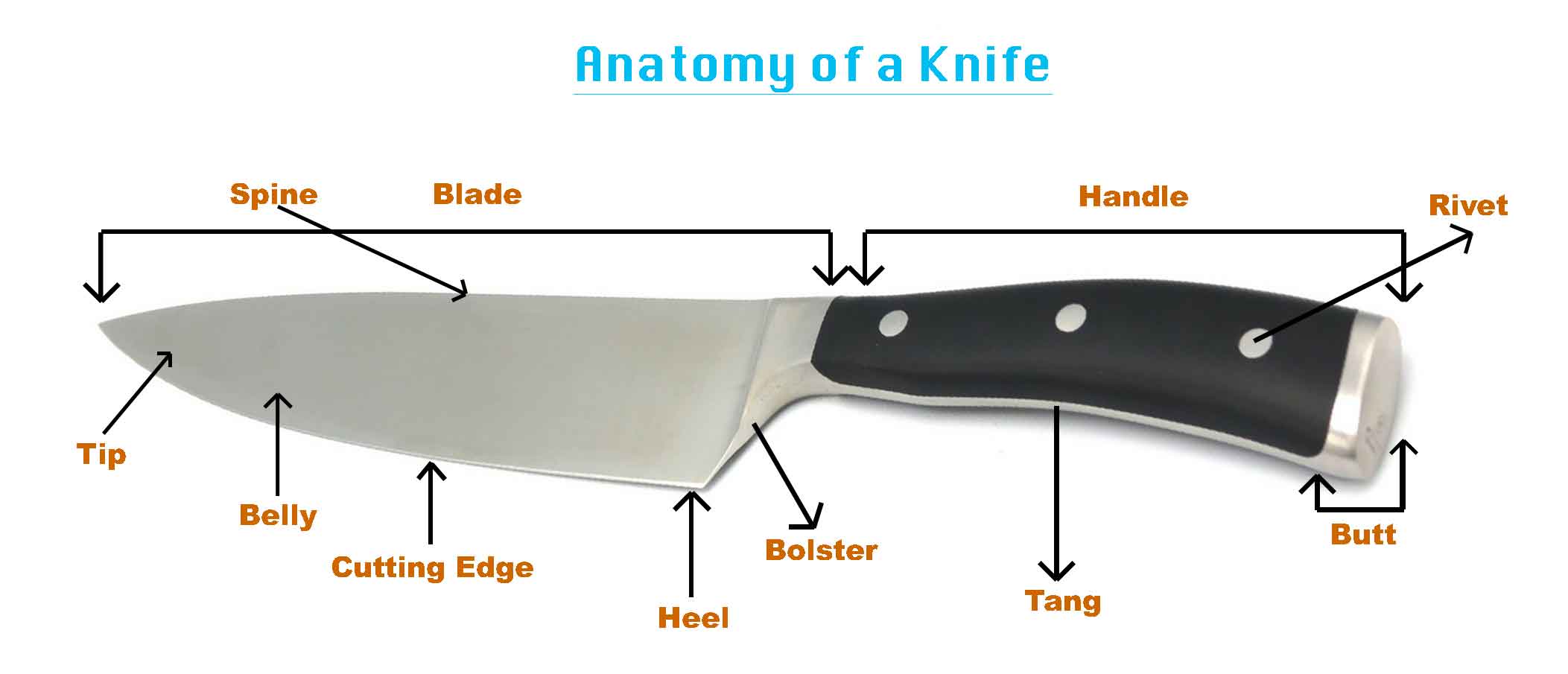
Full Tang gives your handle more strength over the years. The bolster should not extend all the way to the bottom of the heel, because as you sharpen it, over the years, and the cutting edge and the belly get smaller, the bolster will actually interfere with knife operation.

Comfort is important.  Get a knife that fits your grip

Metal Alloys used for Knife Blades

Steel plus a bit of iron
Carbon alloy helps make it hard
Chromium helps to harden and prevents corosion
Molybdenum allows a finer grain
Nickle adds to toughness + elasticity
Tungsten offers wear resistance
Vanadium
Silicon
Manganese

Choices for Cutting Boards

Wood Composite – good
Polyethelene – good
Rock Maple – good for Vegetables
Bamboo – good, but a bit slow surface – fibrous

Bad Choices

Glass
Metal
Granite
Marble

1. Use a Santuko Knife for delicate slicing, such as butterflying a breast. It is thinner than butcher knives. It’s not good for mincing though. Use a butcher knife for this.

2. When choosing a meat cleaver, get one with about 65% of the weight toward the front. A cheap option is a hatchet.


Knife Sharpening

Two things that you can do to a knife:
1. Sharpen
2. Hone

Sharpening:
Use only a professional knife sharpener
Sharpen for (1) long lasting or (2) sharpest edge
The BITE is the ability to hold an edgeHoning:
Use a sharpening steel to realign.
Does not actually sharpen
5 both directions, then 3, then 2, then 1

Really dull knives

1. Belt sander
2. Grinding wheel

Cutting board


Don’t use glass
Don’t wash in dishwasher
Do keep clean
Do use steel every time you use the knife
Do use wood or poly cutting board
Do store in a safe place

20º utility blade – not as sharp, but will not dull as quickly

15º sharp blade – very sharp, but will dull more quickly

Top knife sharpeners


Get one with a high guide hip – minimizes wiggle

  • #1 Chef’s Choice Trizor XV edge $150
  • #2 Chef’s Choice – Electric – Diamond 316 Asian Knife Sharpener – $80
  • #3 Chef’s Choice – Manual – Pronto diamond hone Asian Knife Sharpener – routine sharpener – $50

Three types of sharpeners

  • Carbide
  • Ceramic
  • Diamond

The Knife House

Having it done for you
This is actually advisable.  The job will be much better than you doing it yourself.
Here in Phoenix, us The Knife House near Indian School Road and 40th Street.

A Very Basic Pickle Overview

There are two types of pickles.  Fermented and Infused.

Fermented refers to things like Kimchi, Kosher Dill Pickles and Sauerkraut.  It depends on the action of bacteria to create lactic acid.

Infused pickles depend on adding an acid to the pickling liquid.

CLICK HERE FOR PICKLE COLLECTION INDEX

The basic ingredients are vinegar, sugar, salt.  The amounts and flavoring ingredients vary depending on they type of pickle you are making.

I prefer apple cider vinegar

  • Heat to simmer and pour over items to be pickled
  • Double ingredients if necessary.
  • Cucumbers should be firm, green, still have a bit of the stem and not much yellow
INGREDIENT SWEET PICKLES SOUR PICKLES DILL PICKLES
cucumber or other vegetable 5 5 10
water 1 C 1 C to cover
apple cider vinegar 1 C 1 C none
rice wine vinegar none 1/2 C none
Vidalia onion sliced thin 1/2 1/2 none
sugar 1 1/2 C 1/2 C none
pickling salt * pinch 2-3 TBL 5-6 oz
whole yellow mustard seed 1/2 tsp 1 tsp none
turmeric, celery seed, pickling spice 1/2 tsp each 1 tsp none
garlic – crushed none 4 cloves 2 cloves
dill none none 1 tp
dill fronds none none 1 bunch
crushed red pepper none none 1 TBL
black pepper none none 1 TBL

* Although pickling salt is chemically identical to Kosher salt, pickling salt is much finer than Kosher salt.  It will dissolve readily in warm water, while Kosher salt will generally require a higher heat.  Also pickling salt is denser, so 1 tsp pickling salt is about the same as 1 1/2 tsp Kosher salt.  For larger amounts, 6 TBL Kosher salt is the same as 4 TBL pickling salt.

STEP BY STEP for sweet and sour pickles

  1. Collect vegetables that you want to pickle.
  2. Cut veggies into similarly sized pieces
  3. Bring to simmer over medium heat :: water, sugar, and vinegar
  4. Rinse veggies very well with massive amounts of water
  5. Place in canning jar
  6. Cover with hot vinegar mixture.
  7. Let set overnight on the kitchen counter.  Move to refrigerator next day.
  8. If whole, let cure for five days.  Slices or chips will be ready in just one full day.
  9. Keep in fridge for up to 2-3 months.  Can if you want them to last until next growing season.

STEP BY STEP for kosher dill pickles

  1. Dissolve salt in water, then mix in other dry spices
  2. Stack pickles up on end in a crock
  3. Top with water mixture until they start to float – then add another 1-2 C water
  4. Place a couple clean stones on top to keep them submerged
  5. Cover loosely, and let rest on counter at 68-72º (max75º) for 72 hours
  6. After three days, skim off scum and any white fuzz or material that may appear.  Add water if necessary to keep them submerged.
  7. Wipe off rim, clean cover, and then replace.
  8. In 10 days, pickles will be “mostly” done.
  9. Refrigerate for three days, scraping off any scum that appears
    YOU NOW HAVE A POLISH DILL PICKLE
  10. Put into a new clean glass jar and strain all solids, then cover again with the liquid.  After 3-4 weeks you will have KOSHER DILLS
  11. These will keep for about 2 months


Tips: Oranges

Three main types

  1. Hamlin – juicing oranges, but lots of seeds
  2. Naval – easy to peel and few seeds
  3. Sour or Seville – high in pectin and good for marmalade

To zest an orange, put your microplane on the table, and draw the orange across the plane, rather than dragging the plane across the orange.

If you need larger pieces or orange zest, use a peeler, then scrape off the pith using a paring knife.

Tips: Tires – What you need to know

OK, so this is not a recipe, but like I said… this site is mainly for my use.

You should replace your tires at least every six years whether they are worn or not.  They degrade. Even if there’s plenty of tread left, tires should be replaced if they’re too old.  Over time, the rubber will dry and crack, possibly leading to a blowout or flat tire.

You can tell the manufacture date of your tire by looking on the side.  There will be DOT followed by four numbers  (eg) DOT and then eventually 1418.  This means they were manufactured during the 14th week of 2018  which is about mid April 2018.


Tip: Weight Loss

  1. Get more sleep
  2. Drink more water
  3. Eat slowly
  4. Put your fork/spoon down between bites
  5. Put food on a smaller plate
  6. Distribute smaller portions
  7. Exercise easy/repeatable 30 minutes per day
  8. Park away from the doors – walk more
  9. Drink a glass of milk before your meal
  10. Eat more fiber
  11. Eat more fruits and veggies
  12. Use hot sauce

Tips: Fresh Fish

How to buy a whole fish

Sea bass is the best for whole-fish cooking.  Also called a bronzini (bronch zino)

How to tell that it is fresh

  • Fish should be whole and fresh.
  • If you know your butcher, you can just ask for sushi-quality fish, but otherwise buy a whole fish.
  • Eyes should be clear.  Cloudy eyes indicate an older fish.
  • Gills should be bright red.
  • Fish should never smell fishy or like bleach.
  • Flesh should be firm, not be mushy.
  • If you are using meat from a large fish, you can tell it is fresh by the firmness and visual texture of the flesh.
  • It should glisten.
  • Go shopping with a cooler because it will degrade really quickly.
  • Should have bulging, but clear eyes
  • Scales should be close to the body – tight, not relaxed
  • Fish body should have no bruises or soft spots
  • Buy your fish at a market that does a big volume, otherwise you may get older fish
  • Trust your fish vendor.  Ask
    – What is in season
    – What do you have that is local
    – Is this wild or farmed  (Wild is better)
    – What do you have that is line-caught
  • If you are buying squid, it should be shiny, have clear eyes, and the ink should not be dried

How to handle fish

  • Cut off all fins (except the tail) early so you don’t stick yourself. A fish wound gets easily infected.
  • Scale and clean fish immediately.  Store fish on ice in a baggie, but allow it to drain. You DO NOT want your fish to set in water for any time at all.  If it is properly handled, a fresh fish could last for six months
  • Scale fish outside, or somewhere that the zillions of scales will not cause a problem.  Just hold it by the tail and go back and forth with a knife held perpendicular to the body.

Fish that are high in oil

  • Smelt, mackerel, herring and orange roughy
  • Rinse, dredge, fry in film of peanut oil 3-4 minutes per side, then drain
  • Serve with slices of lemon
  • To dredge: dip in lemon then roll in crumbs with salt and pepper (or toss)

Fish that are good for the grill

  • Whitefish or trout is the best choice for PLANK COOKING
  • Soak wooden plank overnight, using brick to keep submerged.
  • Grill with INDIRECT HEAT at 375-400 degrees and cook until wood begins to char (about 20 minutes)
  • Internal temp will be about 125 degrees
  • Serve right on the plank

Good summer fish

  • Flounder and fluke are good fish to eat in the summer

Good round fish

  • Snapper, porgy, tile fish, sardines, mackeral

What types of wood should I use

  • DO NOT USE plain wood, as it may have chemicals.
  • Make sure your wood is natural, untreated and kiln or air dried.
  • Good woods are: Cedar, alder, maple, hickory, cherry, pecan, apple, white oak, mesquite

Fish Characteristics

  • Slow moving fish (such as grouper) have a light meat and subtle mild flavor. They also overcook very easily.
  • Fast fish (such as tuna) have an oily steak-like texture.  Sharks and Tuna are examples of fast fish
  • Striped bass is the most versatile, and is firm but stil flakey
  • Shark and Tuna are long-lived fish, and will have a higher concentration of mercury in the meat.

Processing

  • To scale, run your knife against the scales
  • Gut the fish and run under cold water
  • Pat the fish dry
  • Remobe the gills

Tips: Equipment

Essentials

  • Chef’s Knife – The best you can afford
  • Paring Knife – make sure it feels good in your hand
  • Ginsu Knife – really – I use mine all the time
  • Santoku Knife – middle of the road will be OK
  • Heavy duty meat cleaver
  • Sturdy kitchen shears – Ideally they come apart to clean
  • Honing/sharpening steel – Use at least every other time
  • Flat sharpening stone – I just send mine out yearly
  • Cutting Board – Small plastic and large plastic for raw meats and other things that cannot be eaten raw
  • Cutting Board – Butcher Blok or Kiln Dried Maple or Ash for veggies and things that CAN be eaten raw
    • Occasionally sand the board with a fine sandpaper, and then use a food grade mineral oil to treat the surface
    • Sanitize occasionally with white vinegar
    • Never into the dishwasher though

Incidentals, but Important

  • Smooth Edge Can Opener – no nasty cuts
  • Measuring Cups – good quality 1/4 C – 1 C
  • Measuring Spoons – good quality
  • Glass Measuring Cup – 4 C
  • Bench Scraper
  • Mixing Bowls – Stackable glass set
  • Large stainless steel mixing bowl – 20 quart ±
  • Salad Spinner / Colander
  • Strainer – Regular and fine
  • Vegetable peeler – even expensive ones will grow dull
  • Potato masher – sturdy / heavy duty
  • Whisks – one steel and one for non-stick pans
  • Grater / zester / microplane

Cookware and Bakeware

  • 12 inch stainless steel skillet with lid
  • 10 inch sauteé pan
  • 8 inch non-stick omelet pan
  • Saute pan – with lid
  • Small sauce pan – with lid – 2 quart
  • Medium sauce pan – with lid – 3 quart
  • Large pot – with lid – 5 qt Dutch oven is a nice choice
  • Large stock pot – with lid
  • Grill pan – nice to have, but optional
  • Cast Iron Skillet – lid optional
  • Heavy duty rimmed baking sheet
  • Wire cooling rack
  • Casserole dish – 9*9 and 9*12
  • Pyrex round glass pie plate
  • Bread loaf pan
  • Broiler pan

Cooking Tools / Hand Utinsels

  • Spatula – silicon and wooden
  • Stirring spoon – metal, silicon and wooden
  • Sturdy tongs
  • Ladel
  • Oven mitts or hot pads (3)
  • A rolling pin
  • Infrared thermometer – from ThermoWorks
  • Instant-read probe thermometer – ThermoWorks
  • Oven Thermometer – Alternately, test periodically with infrared

Appliances

  • Immersion Blender – alternate to a hand-mixer
  • Digital kitchen scale (with tare)
  • Countertop blender

Other Kitchen Essentials

  • Food storage containers – I use yogurt containers, etc
  • Aluminum foil
  • Parchment paper
  • Sandwich wrap – waxed paper
  • Saran Wrap (or similar)
  • Cloth towels
  • Paper towels – I use washable Dollar Store wash cloths
  • Sponges
  • Scrub sponges
  • Dish drying rack
  • Small and large trash bags – I use grocery bags in a mixing bowl
  • x
HTML Snippets Powered By : XYZScripts.com