- 4 TBL mayo
- 2 TBL Dijon mustard
- 2 TBL ketchup
- 1 TBL pickle relish
- 1 TBL garlic
- 1 TBL onion
- 1 TBL paprika
Category: 222 Tips, Tricks and Tools
Tips, Tricks, Tools and other Info. Everything to help you succeed.
Tips: _MISC – MOVE AROUND
Peeling lots and lots of potatoes
- Score the potato around the equator
- Boil the potato for 3-4 minutes
- Plunge in ice water
- Skin should slide off
Keeping food Warm
- To keep served food warm, heat your plates in a 200º oven before serving
Frying and Browning
- For a nice brown cheese sandwich use mayonnaise rather than butter
- Put a metal bowl over top of your cooking grilled sandwich with a drop of water to melt the cheese and keep the bread soft.
- To reheat fries bring up to room temperature, put on wire rack, spray with oil, bake at 400º until browned
Salads
- Dress the SIDE of your salad bowl to more evenly coat your salad leaves
Pasta
- Don’t start your hot pasta water with hot water from the tap. This includes MUCH more dissolved solids than cold water.
- While on the subject, don’t start your pasta in non-boiling water. It changes the texture and can make it gummy
Butter and Oil
- If you run out of butter, just use canola oil in a 1 to 1 ratio. The fats in the oil behaves exactly like melted butter.
- Use old toilet paper rolls to scoop up the congealed grease from your pan. These can then be used as fire starter logs.
Food Preparation
- Spread sour cream on a tortilla. Add lettuce, tomatoes, cheese and meat. No wet stuff.
- To peel ginger, use a spoon and scrape the skin off
- Old eggs float. Fresh eggs will sink. This is because of the gasses produced as it begins to spoil. If an egg floats, do not eat it.
- To truss meat, use a double loop on your first knot, and it will hold itself.
- Cook your roast on a bed of mirpoix veggies: carrot, onion, celery
Mongolian – Sichuan – Kung Pao – Mandarin – Hunan
Although these five traditional Chinese dishes are often confused, there is quite a difference between several of them… and quite a few similarities between a couple of the others.
Mandarin, Hunan, and Szechwan beef were ALL invented here in the US by Chinese immigrants. Names of these five traditional ethnic recipes mostly refer to the region of China in which the people originated.
Szechuan Beef
• • Sichuan Province – Orange middle – Soy sauce, sugar, starch, garlic, chili (or chili sauce), a very small amount of vinegar and beef.
Kung Pao Beef
• • 1800’s Szechuan Province – Water chestnuts, corn starch, soy sauce, garlic, sugar, green onions, dried chili pepper, Usually has peanuts plus meat.
Hunan Beef
• • Hunan Province – South Central green – very spicy, difficult to distinguish from Sichuan, minor differences in vegetables and seasonings. Thai peppers are frequently used in this dish.
Mongolion Beef
• • Inner Mongolia – Yellow top – Mongolian cuisine primarily consists of green onion/scallions and beef. Use of vegetables and spices is limited, so if veggies is not your favorite thing, you want Mongolion Beef. Sometimes foods are cooked on a large flat grill.
Mandarin Beef
• • Western China around Beijing. Also known as Beijing style. Soy sauce, sugar, starch, veggies, tofu, garlic and beef.

Tips: Garlic Paste
- Peel cloves from three entire heads of garlic
– Hint: Here is a video of how to peel garlic very quickly - Soak garlic in a bowl of water for thirty minutes
- Dry the garlic thoroughly
- Toss and saute in 2 TBL olive oil until browned
- Continue cooking and carmelize with a splash of balsamic vinegar
Bread Wrapper Color Tag Codes
Ever wonder why the tags used to seal loaves of bread come in different colors? Far from arbitrary, the color-coded system indicates which day of the week the bread was baked. The color system is even alphabetical: Monday is blue, Tuesday is green, Thursday is red, Friday is white, and Saturday is yellow. (Traditionally, bread wasn’t delivered on Wednesday or Sunday.)
Because bread rarely remains on the shelf for more than a few days, this system is more for internal use among employees than it is for customers looking to get the freshest sourdough possible. But if you favor a local bakery and get to know their system, you could either snag the best deals or the fluffiest dinner rolls in town.
- Monday – Blue
- Tuesday – Green
- Thursday – Red
- Friday – White
- Saturday – Yellow
(Go to the back of the shelf because stock is rotated so that the older stuff sells first.
No, we didn’t forget about Wednesday and Sunday. Most sources refer to a five-day delivery schedule.
Need an easy way to remember this schedule? The colors go in alphabetical order, making it one less thing to forget as you cruise the aisles.
Keep in mind that some companies might have their own system, so check the expiration date when in doubt.
Decorative Chocolate Garnish
Fill a spoon with melted chocolate and drizzle it in a design on waxed paper.
Refrigerate until hard
Use a small balloon and dip it into melted chocolate.
Let it cool, then dip one more time.
Refrigerate.
In an hour, pop the balloon for an edible bowl
Melt milk chocolate in a double boiler just till it is soft and spreadable.
Spread it onto a sheet of small sized bubble wrap
Refrigerate for at least an hour
Break apart and use pieces for garnish on ice cream, cake, etc
Simply use a potato peeler and peel curls off a chocolate bar
Dip a mint leaf into the chocolate halfway
NOTE: If you add a tiny bit of paraffin to the chocolate, it will melt less readily.
Tips: Oils Demystified
From Tips and Tricks by Robert “Grandpa” Andrews
www.grandpacooks.com/books
As far as calories, oils are all about the same.
Saturated Fats are BAD. Although they have a long shelf life, they are bad for your health. They raise your blood cholesterol. (eg) Butter, beef tallow, lard, coconut oil, and palm oil. Saturated fats are solid at room temperature
Both of the following Unsaturated Fats are good for your heart and brain and help neurological development.
Mono Unsaturated Fats are BETTER for you, although they have a shorter shelf life. (eg) Olive oil, nut oils like almond, avocado, walnut and hazelnut – Low smoke point.
Poly Unsaturated Fats are actually GOOD for you. They have a very short shelf life, so keep refrigerated
(eg) Canola, peanut, safflower and rapeseed oil. They also have a mild flavor and a high smoke point. Canola oil and peanut oil both have a high smoke point and are great for healthy frying.
Smoke Point is an important factor, so I will include several oils where that is all that I have. They are generally not commonly used for cooking, although they do have their purposes. Smoke point is where the oil goes rancid, and food starts to taste bad or burnt. In some cases, smoke point allows poisonous chemicals to be produced – especially in canola and EVOO. Get a good thermometer and don’t exceed the smoke point.
Almond Oil
- Smoke Point: 430º
Avocado Oil
- Smoke Point: 520º – Would be good for frying, but it is more expensive than many other choices.
- Slight green tint with smooth nutty taste
- 70% Heart-healthy mono unsaturated fats
- Storage: Cool dark place for a year
- Flavor: Smooth nutty taste
- Drizzle over guacamole and/or salsa. Good also over tomato.
Canola Oil
- Smoke Point: 470º
- Do not exceed the smoke point because toxins are produced! Canola contains euric acid with is poisonous.
- Neutral taste. Good for frying and mixing with herbs and spices
- Full of antioxidants and anti-inflammatory properties.
- It is good to sautee AS LONG AS you don’t exceed the smoke point.
- Heart-healthy Poly Unsaturated Fats and Vitamin E. Helps lower LDL cholesterol.
Coconut Oil
Smoke Points: 280º for Virgin and 350º for Refined
According to American Heart Assn, risks outweigh benefits. Use lightly.
Higher than butter in saturated fat. Raises good HDL and bad LDL.
Corn Oil
- Smoke Point: 450º
- A good “all purpose” oil
- Very rich in phytosterols which can decrease the amount of cholesterol that your body absorbs
Flax Seed Oil
- Smoke Point: 225º
- Concentrated Omega 3’s and Omega 6’s
- Not very shelf-stable, so will keep in the refrigerator only 3 months
- May ease stomach problems
Ghee – Clarified Butter
- Smoke Point: 470º
Grapeseed Oil
- Smoke Point: 435º
- Grapeseed oil IS NOT the same as Rapeseed oil (See Rapeseed)
From the seeds of wine making - Cancer-fighting and heart-healthy due to phenolic compounds
Hazelnut Oil
- Look for a light golden color. Darker than Canola Oil.
- Toasty, smooth, buttery, delicate
- Use with Brie or Butternut Squash with brown sugar
Olive Oil
- Smoke Point: 330º for unrefined and 430º for refined; goes rancid at high temps – do not use for stir fry
- Extra Extra Virgin has only a very slight difference from Extra Virgin Olive Oil and is mostly just a marketing ploy. There IS, however, a difference between Olive Oil and EVOO.
- High in mono-unsaturated fats and Antioxidants. Reduces inflamma-tion and lowers risks for heart disease, depression, dementia and Alzheimers.
- Extra Tip: Look for cold pressed or extra virgin which means that the oil has not been treated with chemicals or exposed to heat.
- Shelf Life: Try to use within 6 months of opening. It starts to lose antioxidant properties
- Best Use: Use EVOO for frying at about 350º – No more than 400º
Palm Oil
- Smoke Point: 450º
- Slight reddish color
- Fairly high in saturated fat
- Typically kills the palm tree to get the oil. Look for oil obtained in environmentally friendly fashion by the “Palm Done Right” label.
Peanut Oil
- Label should read toasted or roasted. This is more intense and nuttier. Steamed peanut oil is much more mild
- Smoke Point: 320º for unrefined and 470º for refined. Good for Stir fry, sauté, and roasting
- Refrigerate for a year. It will go rancid in six months on the shelf.
- Because the allergenic proteins have been stripped away, refined peanut oil is safe for people with peanut allergies.
- Mono unsaturated fats and the antioxidant reservatrol which is found in red wines
- Good with shrimp and grilled fish
Pistachio Oil
- Should be dark green and thicker than most other oils
- Good served with mozzarella, balsamic vinegar, cracked black pepper and bread
- Also good brushed over eggplant before grilling
Rapeseed Oil
- Smoke Point: 470º Do not exceed because toxins are produced!
- Rapeseed oil IS NOT the same as Grapeseed oil.
- (Keep reading for a surprising fact)
- Rapeseed is a winter crop that is produced for the seed.
- Rapeseed meal is the byproduct. Rapeseed is used to produce Canola Oil, so although you may pay extra for Rapeseed Oil, it is simply Canola!
See Canola Oil
Safflower Oil
- Smoke Point: 500º
- This is my go-to cooking oil when I don’t want EVOO taste in my recipe; otherwise I tend to use EVOO.
- Contains high poly-unsaturated fats
- Contains NO vitamin E – many others do
- Very neutral in flavor
- Also good for a skin moisturizer ! ! !
Sesame Oil
- Smoke Point: Fairly low. 350º for dark toasted, and 445º for refined. Good for quick stir fry, but not deep frying with prolonged heat.
- Health: Both poly-unsaturated and mono-unsaturated fats. Improves cholesterol and blood pressure
- Best Use: Low temperature cooking and dressings. Quick Stir Frys OK.
Soybean Oil
- Smoke Point: 450º
Sunflower Oil
- Smoke Point: 450º for refined, and 225º for unrefined.
- High in poly- and mono- unsaturated fats
- Use in low-temperature cooking and as a salad dressing
- Store in cool dark place or refrigerate.
Truffle Oil
- Made by infusing truffles with olive oil or rapeseed oil
- This does not store for a long time – use quickly
- Fairly pricy
- White truffle oil is milder than black truffle oil
- A very little bit goes a long way
- Drizzle over pasta
Walnut Oil
- Smoke Point: 320º
- Healthy: Rich in poly-unsaturated fiats, omega 3 fatty acids – good for your heart and your brain. Great for people with diabetes issues.
- Best Use: Use for vinaigrette and drizzled on veggies
- Mix with a bit of cream cheese and honey for a quick delicious spread
Tips: Pasta
TEMPERATURE
- Do not start your pot with hot tap water. The hot water leaches microscopic amounts of lead and other chemicals from your pipes. Always start with cold tap water.
- Do not put pasta into cold water. Under normal conditions that is… Put your pasta into water that is at a rolling boil so it will cook consistently.
- That being said, if you are making overnight pasta, after you put your pasta into the water put the pot into the refrigerator so it does not mold overnight.
TIPS ABOUT THE PASTA ITSELF
- When you cook pasta, put a couple tablespoons of the salted pasta water into your sauce. It will help the sauce stick to the pasta.
- If flavor is more important than sauce, toss the pasta with a couple tablespoons of butter before putting on the sauce.
TIPS ABOUT THE SAUCE
- For a meat sauce, use about two thirds 85/15 lean ground chuck and one third ground pork ( for a bit of sweetness )
- For a vegetable sauce be sure to your your mirpois trio: Carrot, celery and onion
- You can enhance your sauce with a bit of wine. White wine gives a good fresh flavor. Red wine gives a stronger bold statement.
- Sear your tomato paste before putting it into your sauce. It will help develop the flavor and concentrate the sugars.
TIPS: Everyday Eating
Foods and Nutrients to Increase
- Whole Grains
- Vegetables
- Fruits
- Low-fat or fat free milk
- Yogurt
- Cheese
- Vegetable Oils
- Seafood
- Monounsaturated Fats – Canola, olive, corn, peanut and soybean
- Polyunsaturated Fats – Nuts, seeds, olives, avocados
More than one third of all calories consumed in America are solid fats and added sugars.
 Foods and Food Components to Reduce
- Added sugars
- Solid fats – Fatty animal-based foods, well marbled meat, poultry skin, bacon, sausage, butter, whole milk
- Trans fats – Vegetable oils that are partially hydrogenated such as cookies, donuts, pastries and crackers
- Refined grains
- Sodium
Eat right with MyPlate Guidelines
This information gleaned from the Academy of Nutrition and Dietetics. Summary presented here with permission.
TIPS: Cut down on Salt
We should have less than 2,300 milligrams per day. That’s about 1 tsp of salt per day. If you have high Blood Pressure, this amount should be closer to 1,500 milligrams per day.
Focus on Fresh Foods
Highly processed and ready-to-eat foods are usually high in sodium. Eat these foods occasionally, not on a regular basis. Cheese and cured meats (such as bacon, sausage, hot dogs, luncheon meat) are also high in sodium. Use fresh, lean meats, poultry, fish, dry and fresh beans and peas when possible.
Fresh fruits and vegetables are naturally low in sodium
Cook more often at Home
When you cook, you can control the amount of salt. Use little to no salt where possible. When using canned vegetables, absolutely don’t add any more salt.
Try using herbs, spice rubs and fruit juices in cooking, rather than salt.
Taste your food before salting it. Light only as you need it, not as a habit.
Try new flavors
Skip the salt and try Grandpa's Thunder Powder or Arghhh Powder. Use salt-free seasonings such as herbs, spices, garlic, vinegar, pepper or lemon juice.
Read food labels
Compare the amount of sodium listed to other products. Look for foods that say low sodium or no salt added.
Use caution with condiments
Soy sauce, ketchup, pickles, olives, salad dressings, etc are usually high sodium. Use only a little bit when you do choose to use it.
Allow your taste buds time to adjust
It takes time for your taste buds to desensitize themselves to salt. Food may taste differently at first, but it is possible to acquire a taste for foods with less salt.
Try any of these three salt-free seasoning blends
Mix Herb Blend
– 1/4 C dried parsley flakes
– 2 TBL dried tarragon
– 1 TBL dried oregano
– 1 TBL dill weed
– 1 TBL celery flakes
Italian Blend
– 2TBL dried basil
– 2 TBL dried marjoram
– 1 TBL garlic powder
– 1 TBL dried oregano
– 2 tsp thyme
– 2 tsp crushed dried rosemary
– 2 tsp crushed red pepper
Mexican Blend
– 1/4 C ground cayenne pepper
– 1 TBL ground cumin
– 1 TBL ground onion powder
– 1 tsp dried oregano
– 1 tsp ground garlic
– 1 tsp ground red chili pepper
– 1/2 tsp ground cinnamon
This information gleaned from the Academy of Nutrition and Dietetics. Summary presented here with permission.
Tips: Freezing Things
- Citrus can be frozen whole and intact. Defrost overnight and you are good to go.
- Avocado can be depitted, then scooped from its skin. You can (but it is not necessary) toss it in lime juice, and then freeze. Store frozen pieces in a freezer bag.
- Buttermilk can be frozen. Since you usually don’t need too much of it at any one time, freeze it in ice cube trays so that you have a small portion ready for use.
- If you need browned ground hamburger, pork, etc… buy a larger portion and cook it all. The ground meat will freeze well. A vacuum seal storage bag works best.
- Coffee and tea can be frozen for making iced coffee or for cooling down a hot cup of coffee without watering it down.
- Shredded cheese freezes well. A seal a meal bag is best, but it can be used for anything where the cheese is melted, such as pizza, etc.
- Extra smoothie can be frozen in ice cube trays for using for future smoothies.
- You can freeze herbs from your garden when they are packed in oil.
- Juiced lemon or lime can be frozen in an ice cube tray for cooking or for drinks
- Ginger freezes well whole. If you want though, you can shred it and freeze it in cubes of water.
- Broth can be frozen easily. Leave about 1/2 inch at the top. After it is frozen, add 1/4 inch water and refreeze it. The water will act as freezer burn protection. When ready to use, melt the freezer burn off with water, dump it, then you are ready to go.
- For making jam out of season, juice a Seville orange and keep the guts and seeds because they are as high in pectin as many of the commercial products.
- Spaghetti sauce with meat is difficult to can. Instead, you can freeze it, and it will last for about a year.
Life Hacks – 2017
 Bacon and eggs
Major player is aluminum foil
Create an aluminum foil boat
Put bacon in the middle, and top with another sheet of aluminum foil
Cook with an iron on high
After the bacon is removed, cook scrambled eggs in the remaining oil.
Alternate: cook a poached egg in aluminum foil that is placed in a pot of
boiling hot coffee water.
Don’t forget salt and pepper
Toast to your bagel on the burner plate of your coffee maker
For instant oatmeal, place the packet and some honey into the coffee pot.
Add water and brew for 10 minutes
All About Eggplants


Tips: Peppers Demystified
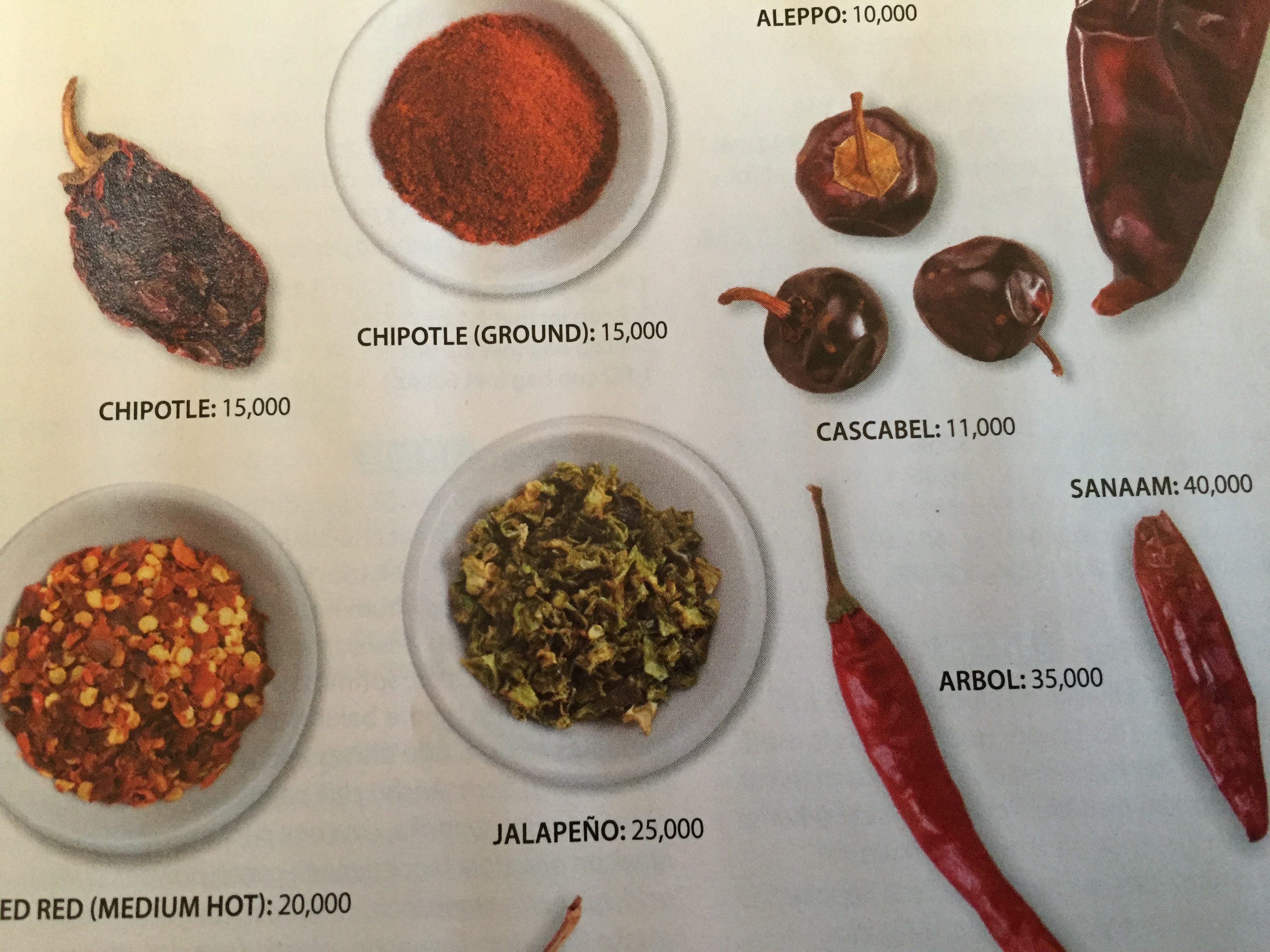
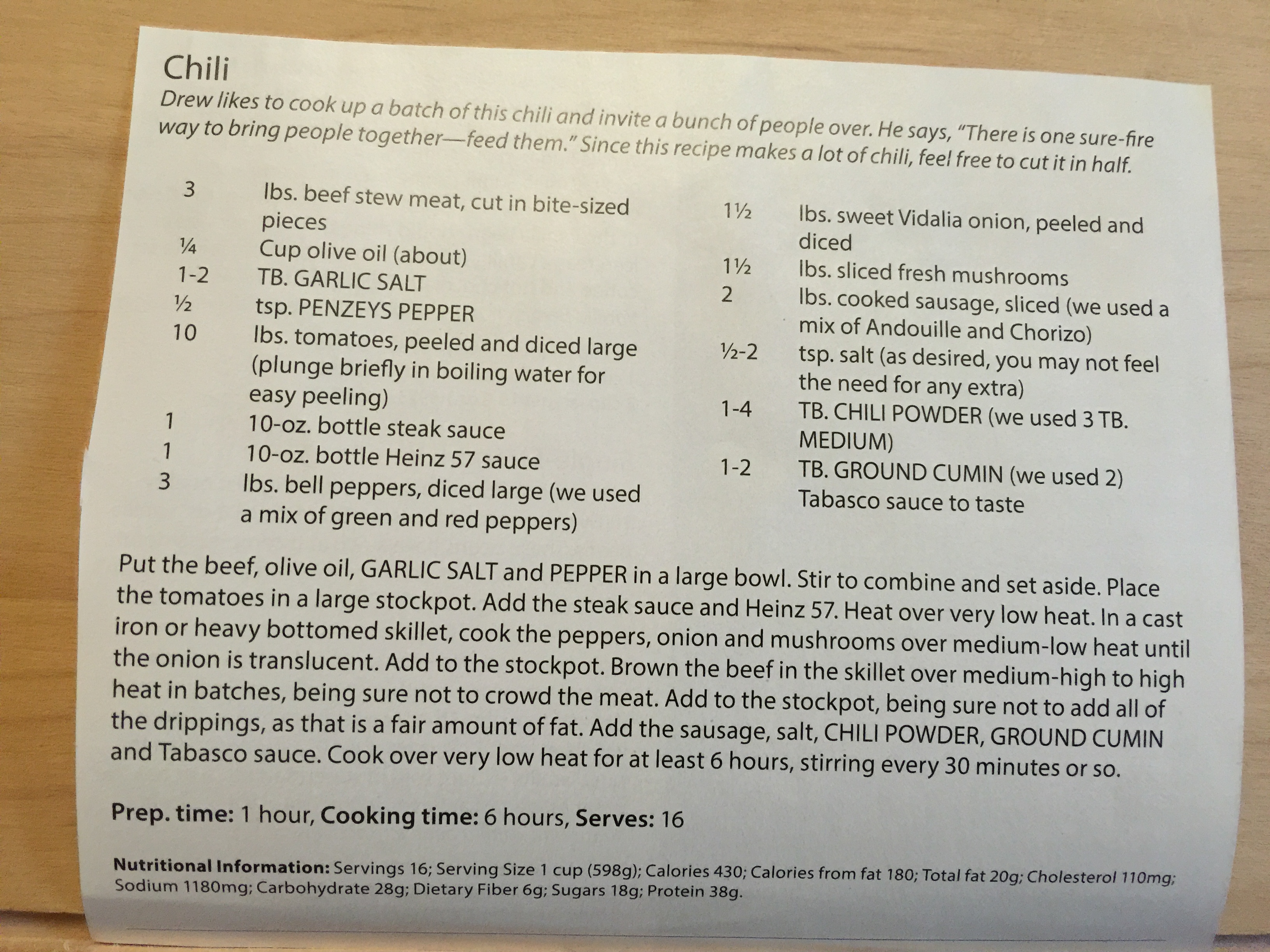
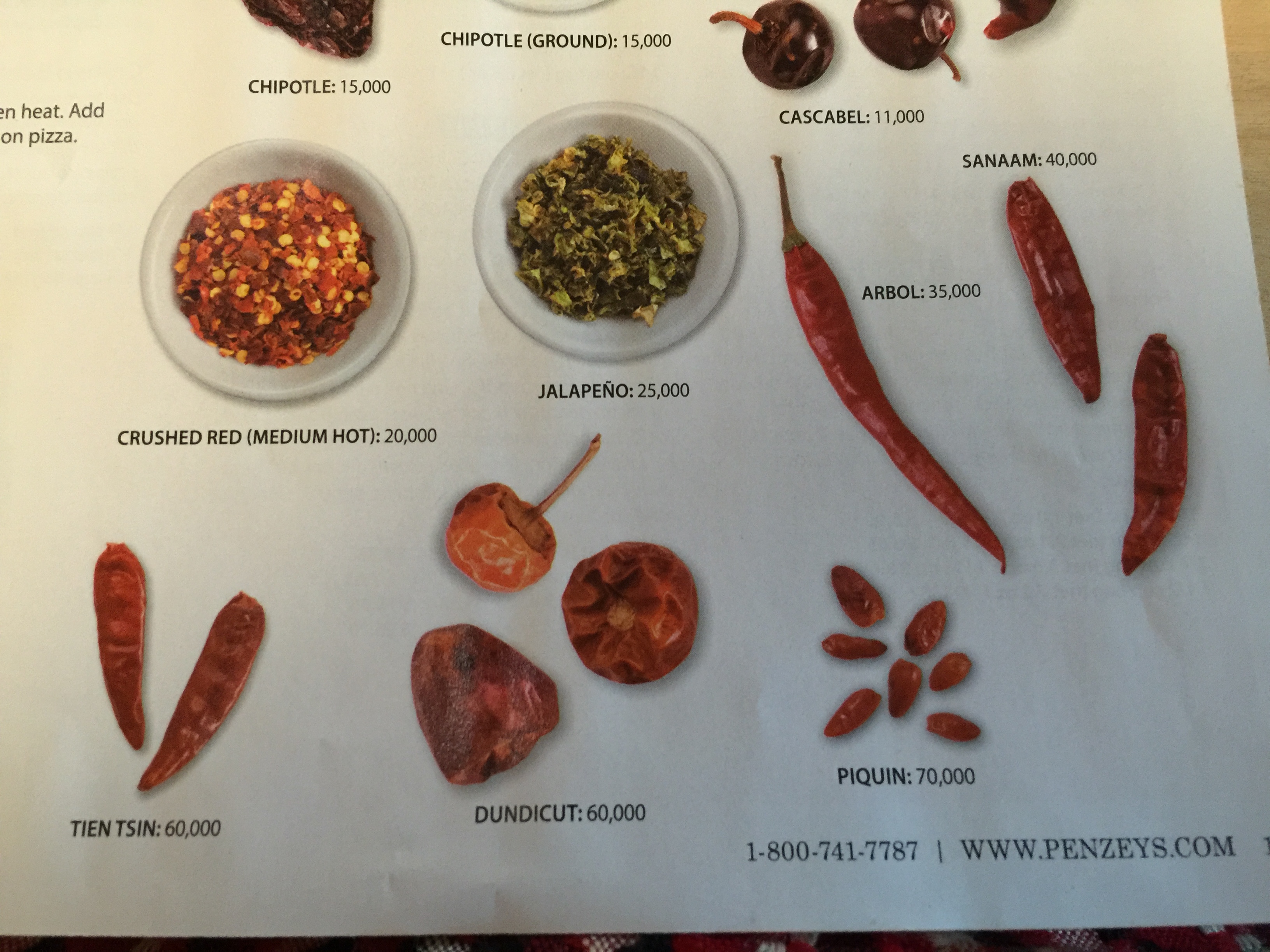
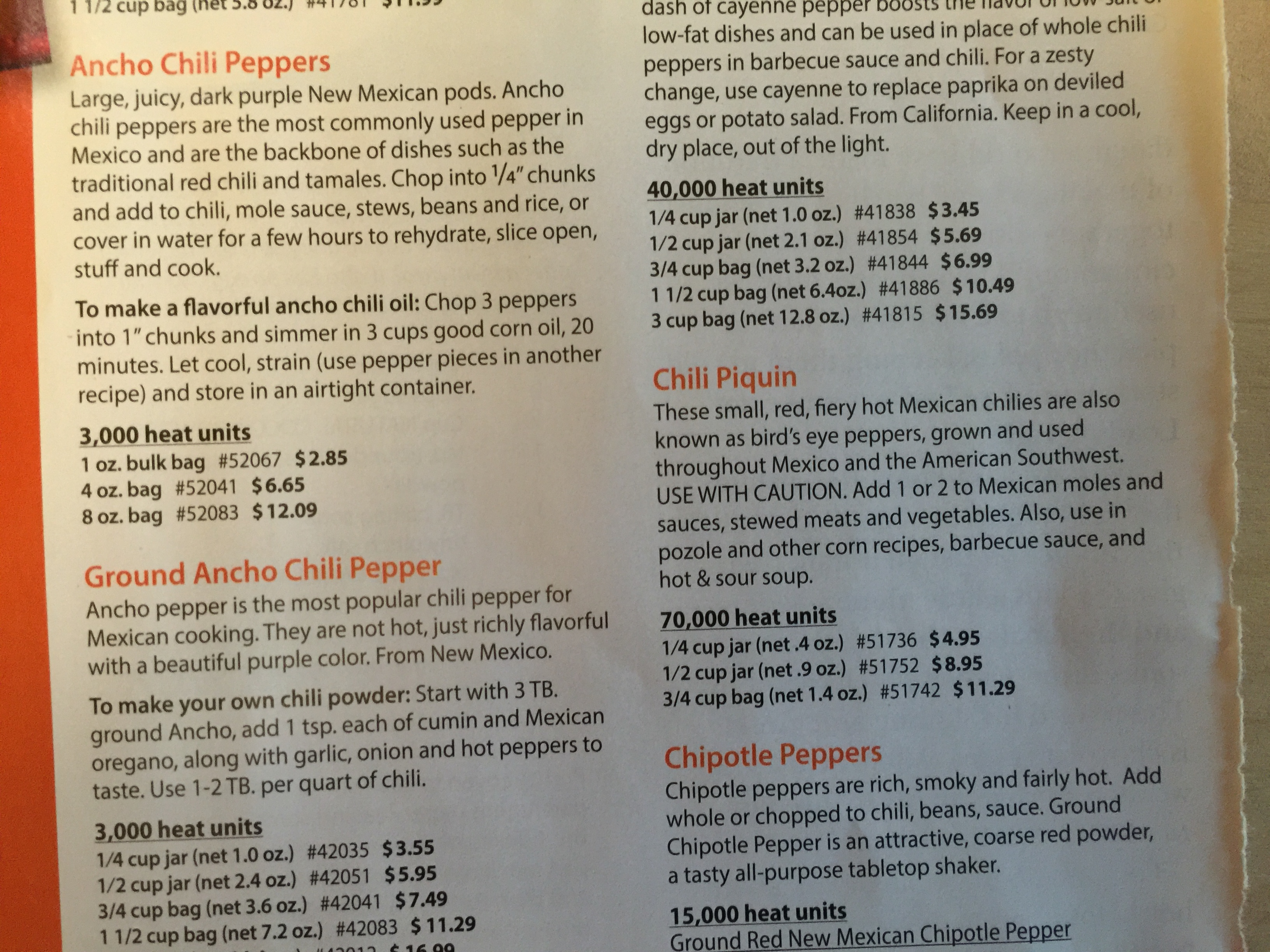
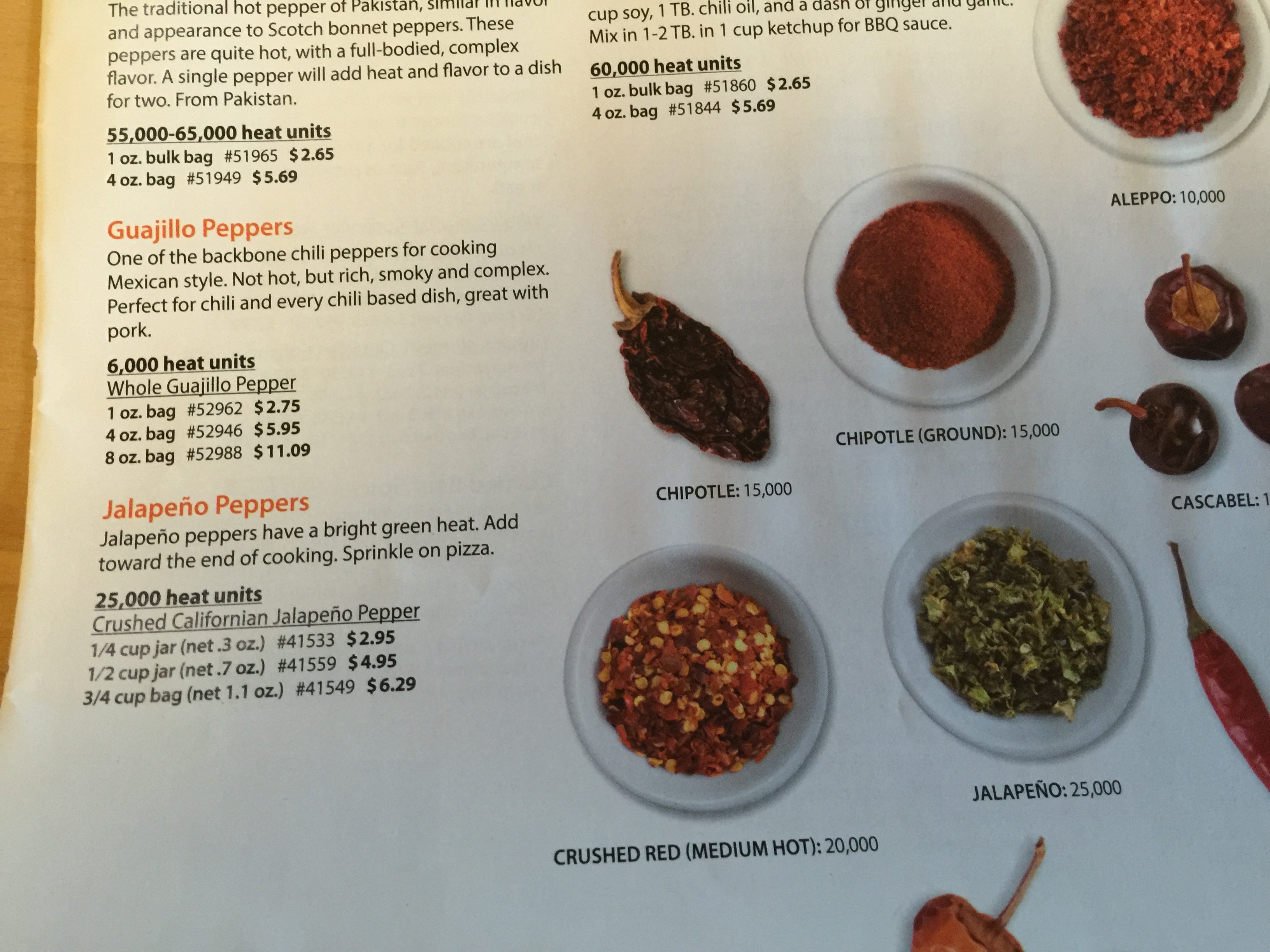
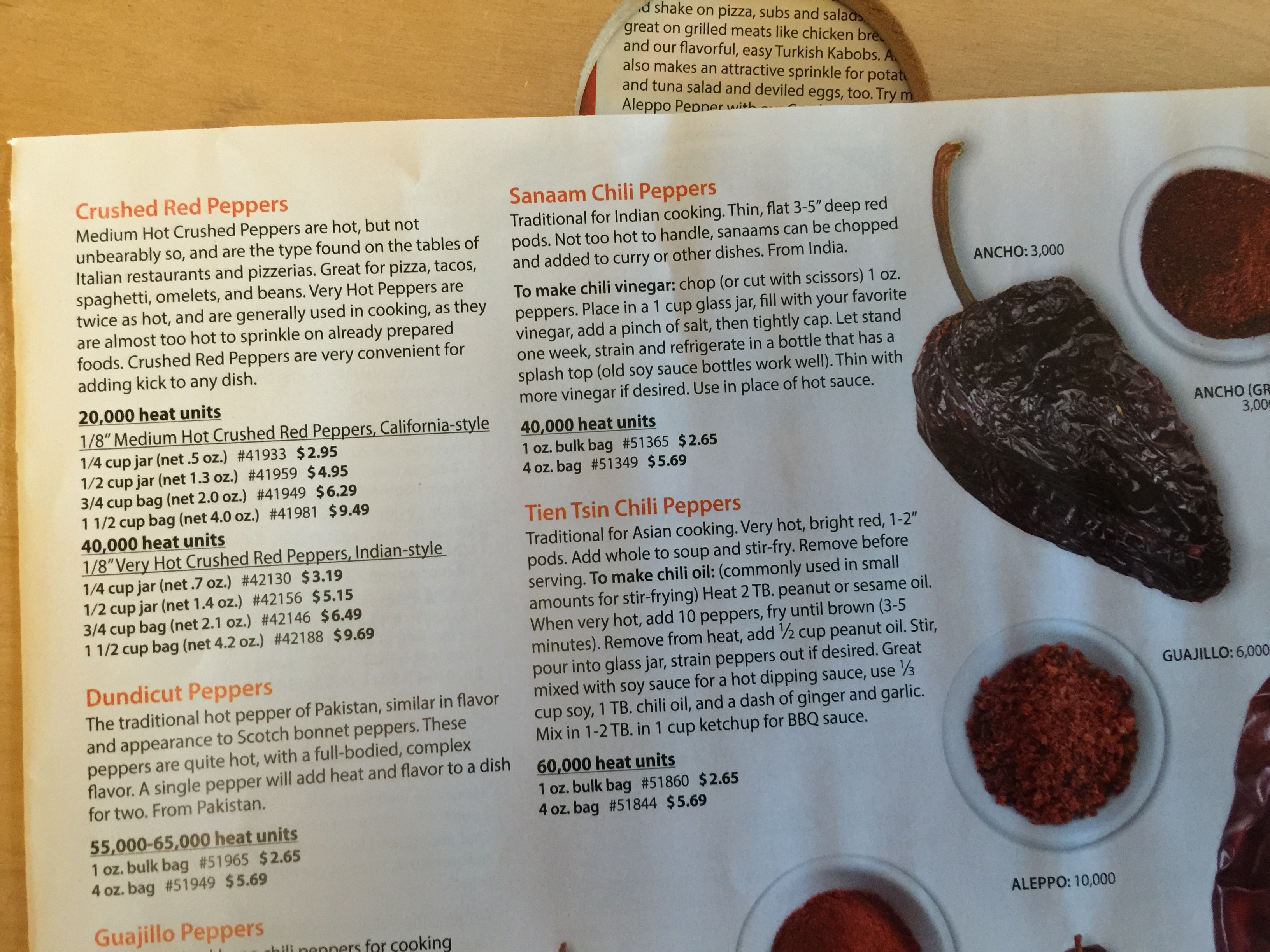
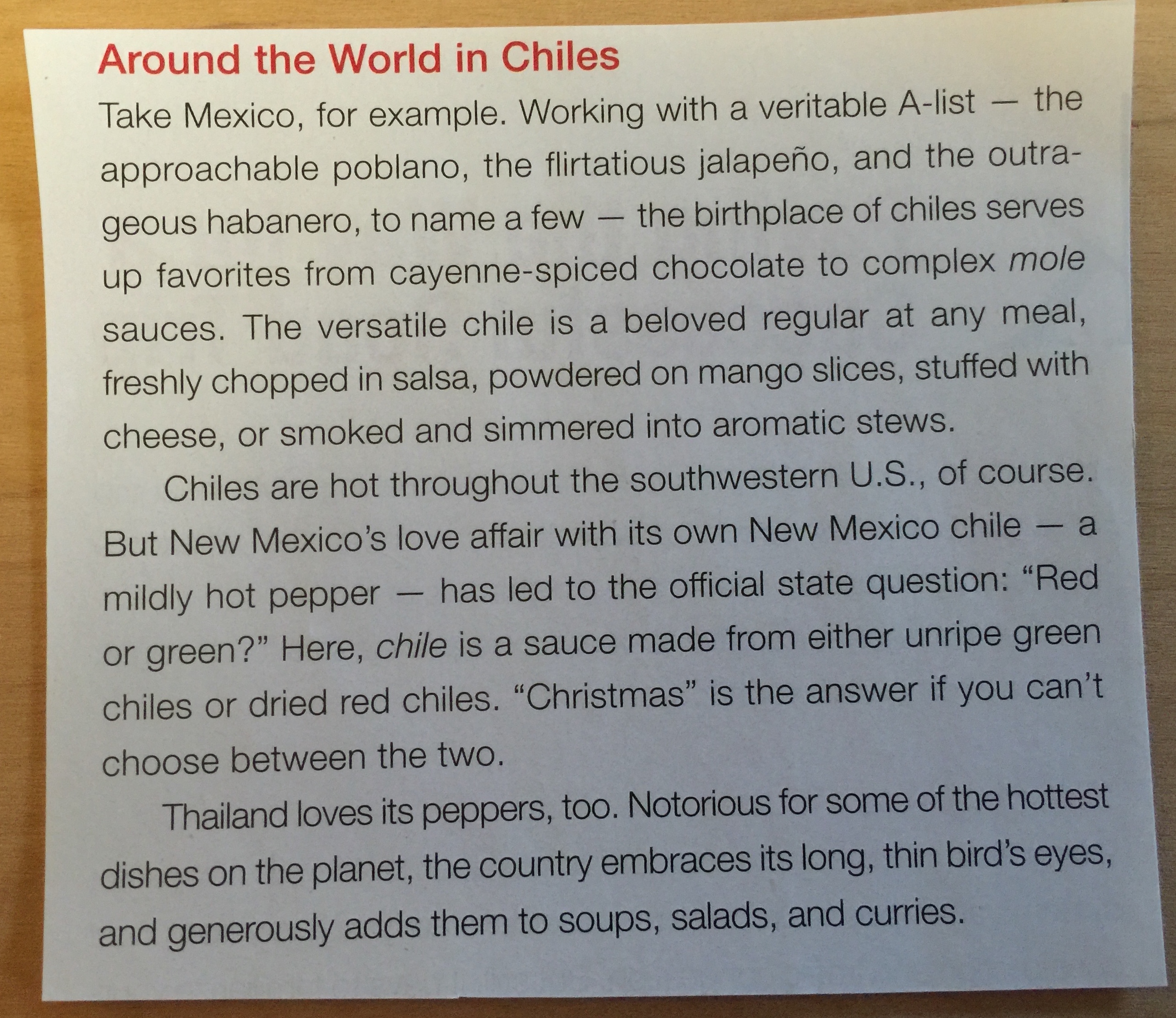
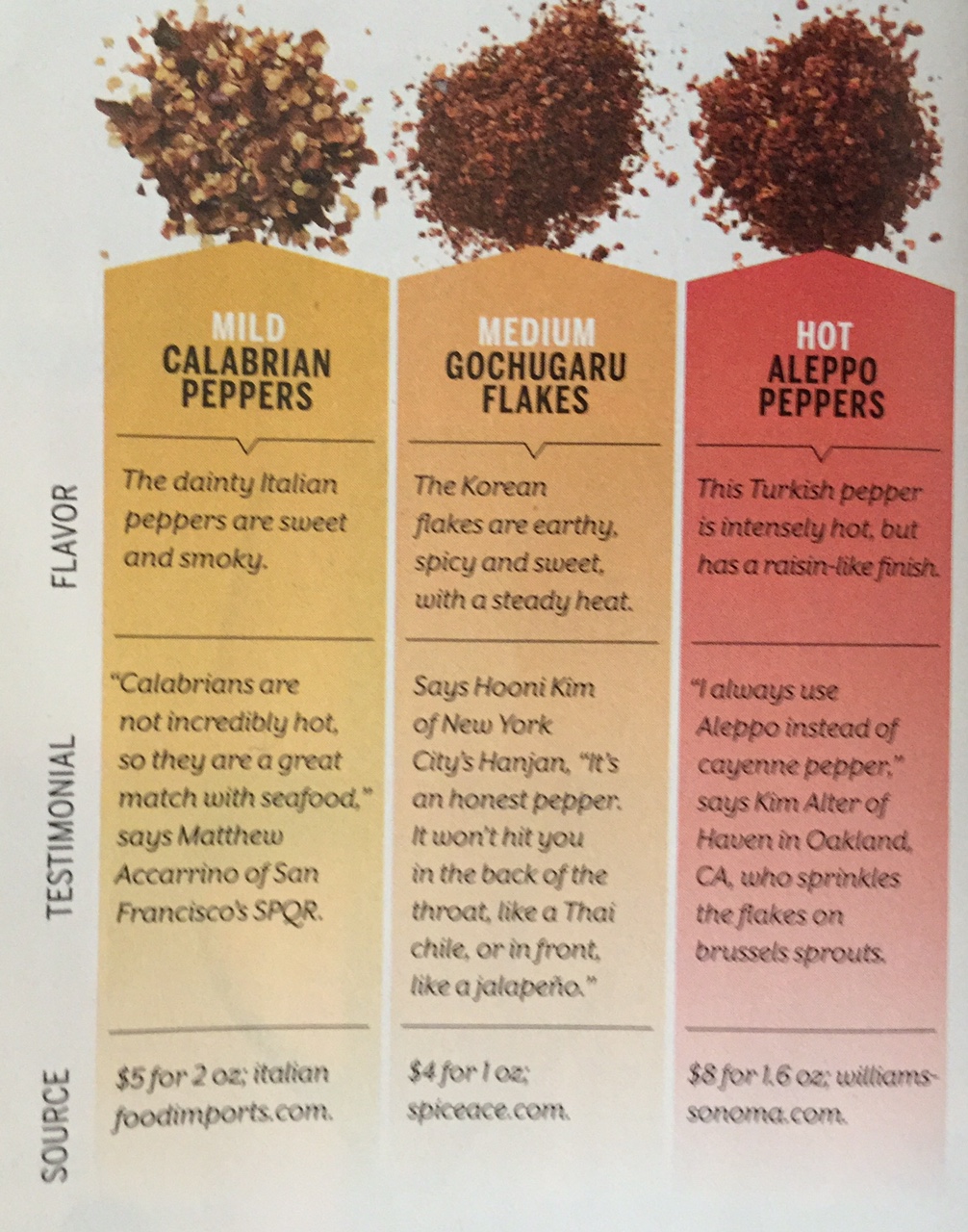
 Chili powder is a blend of seasonings that usually includes ground chilies, cumin, oregano, and garlic. It is usually only mildly hot – and is used in things such as Chili con Carne. On the other hand, ground chili is 100% chilies and may be mild to fiery hot, depending on the variety.
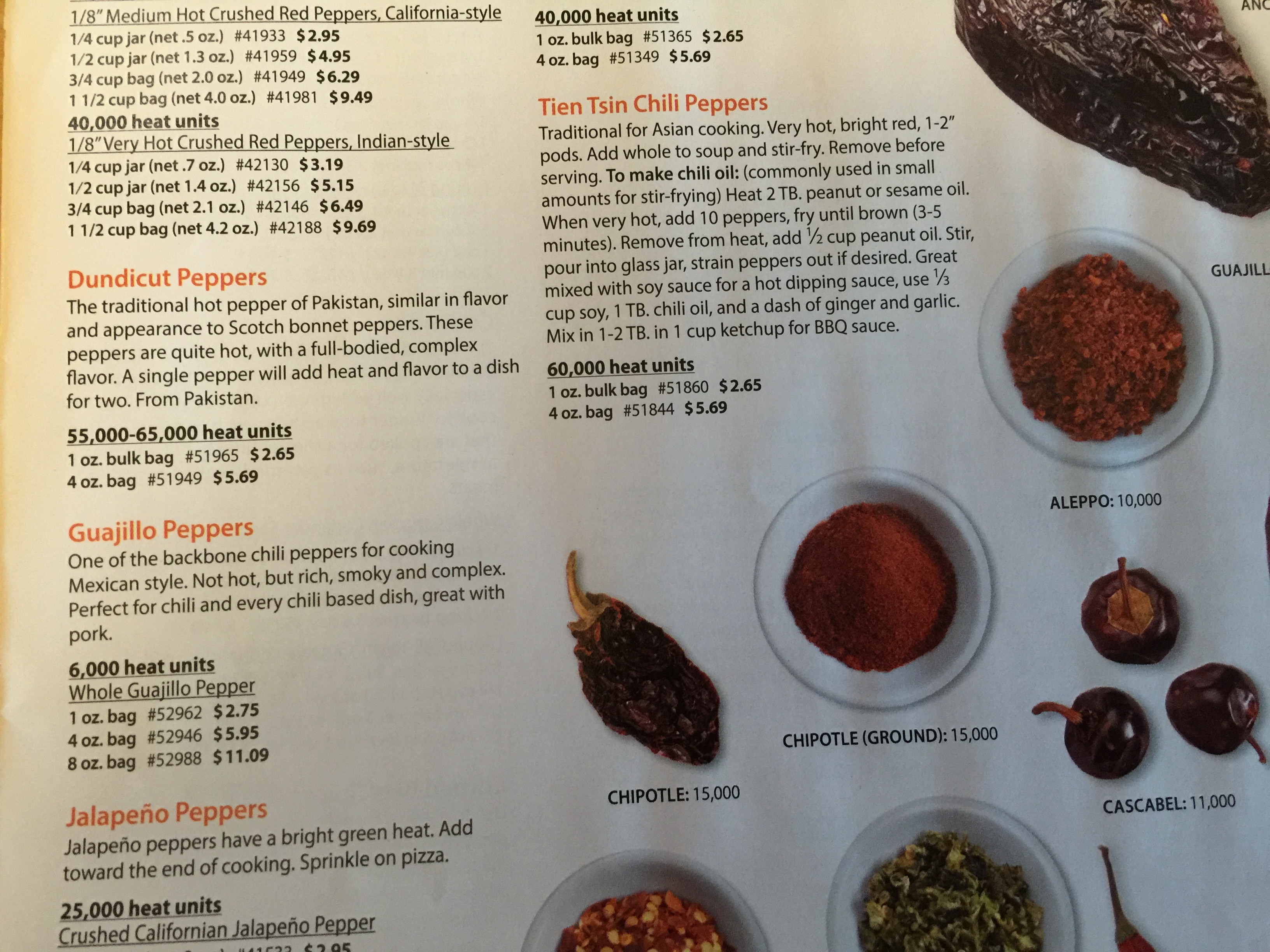
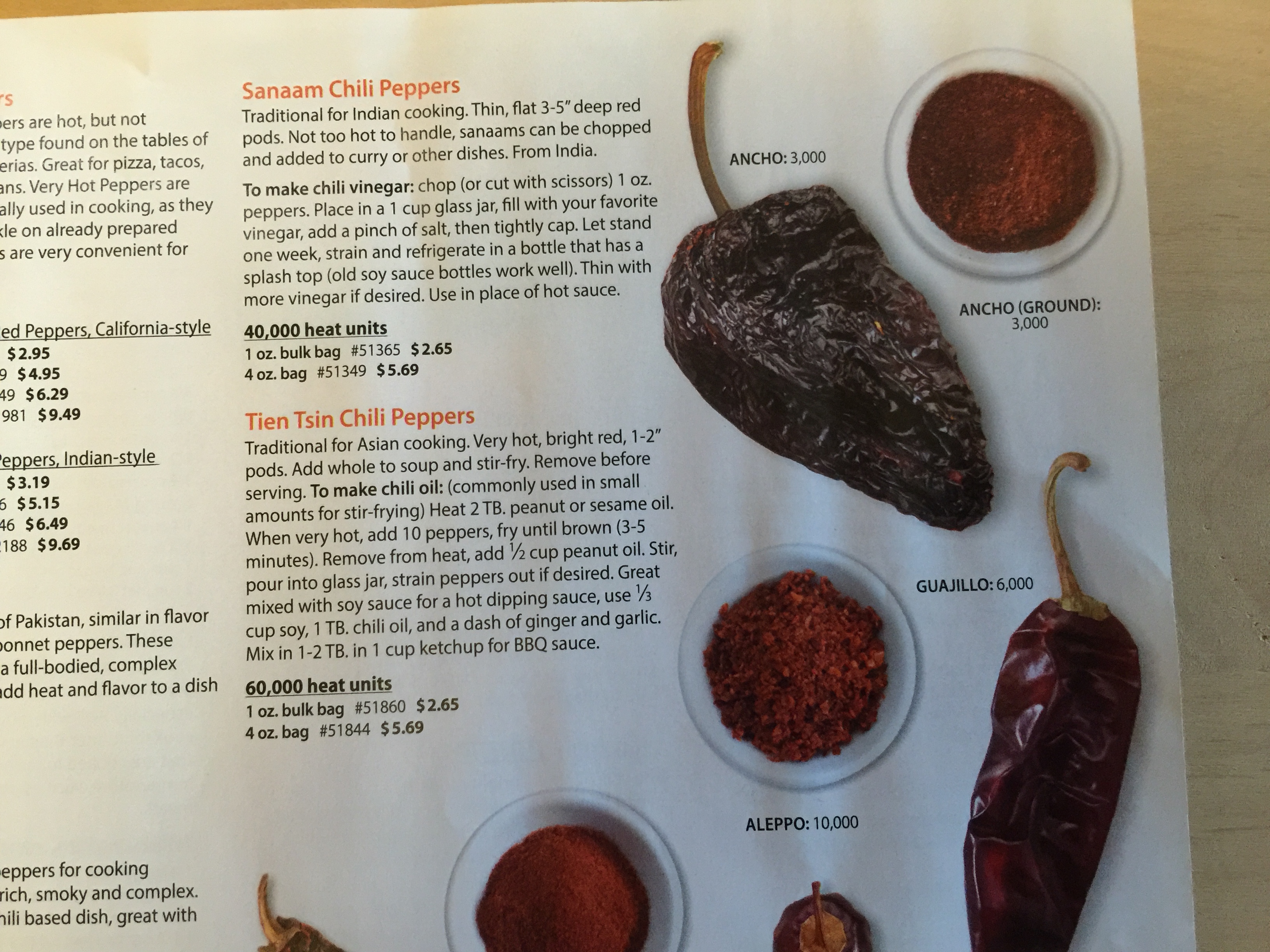
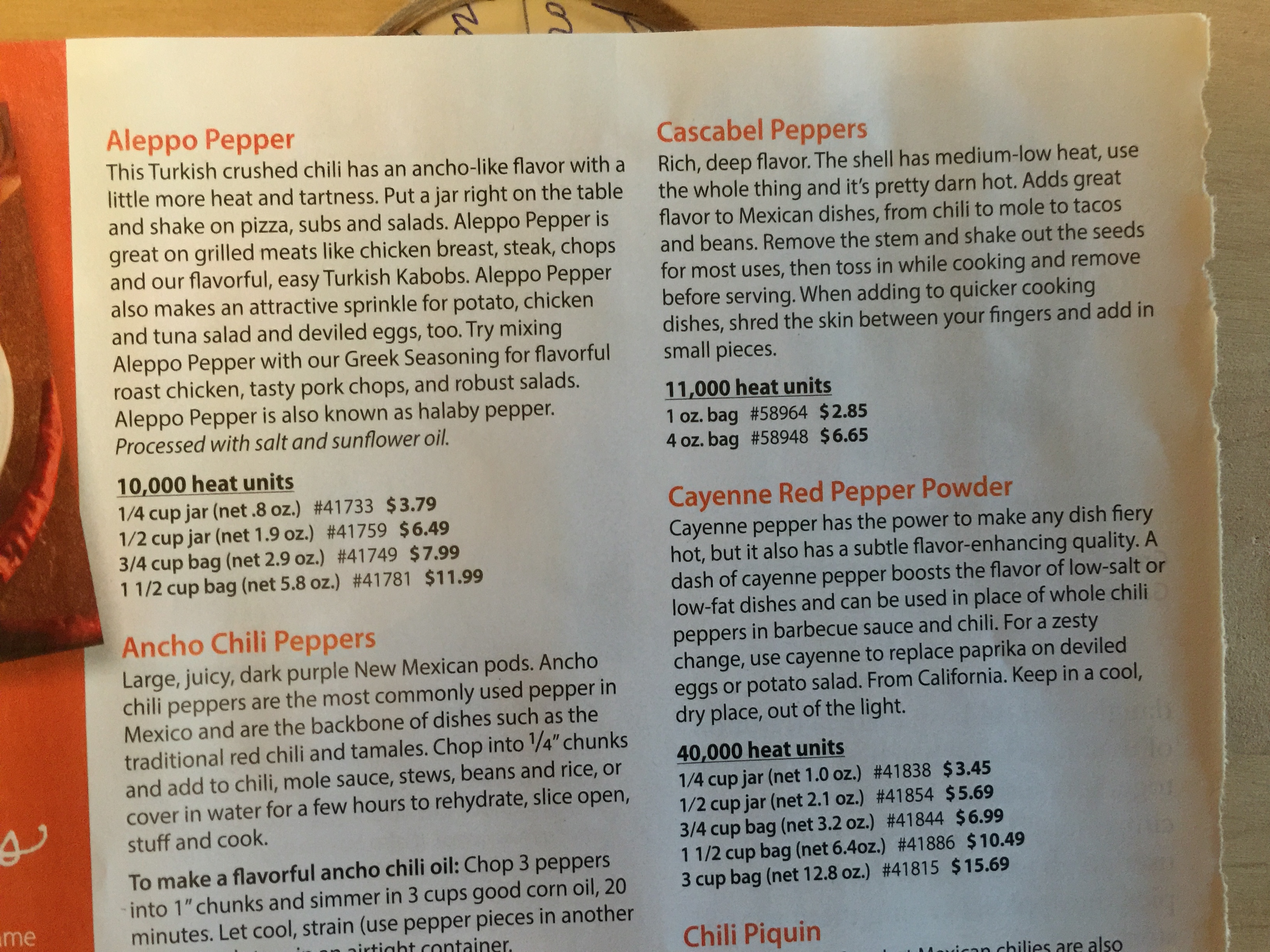
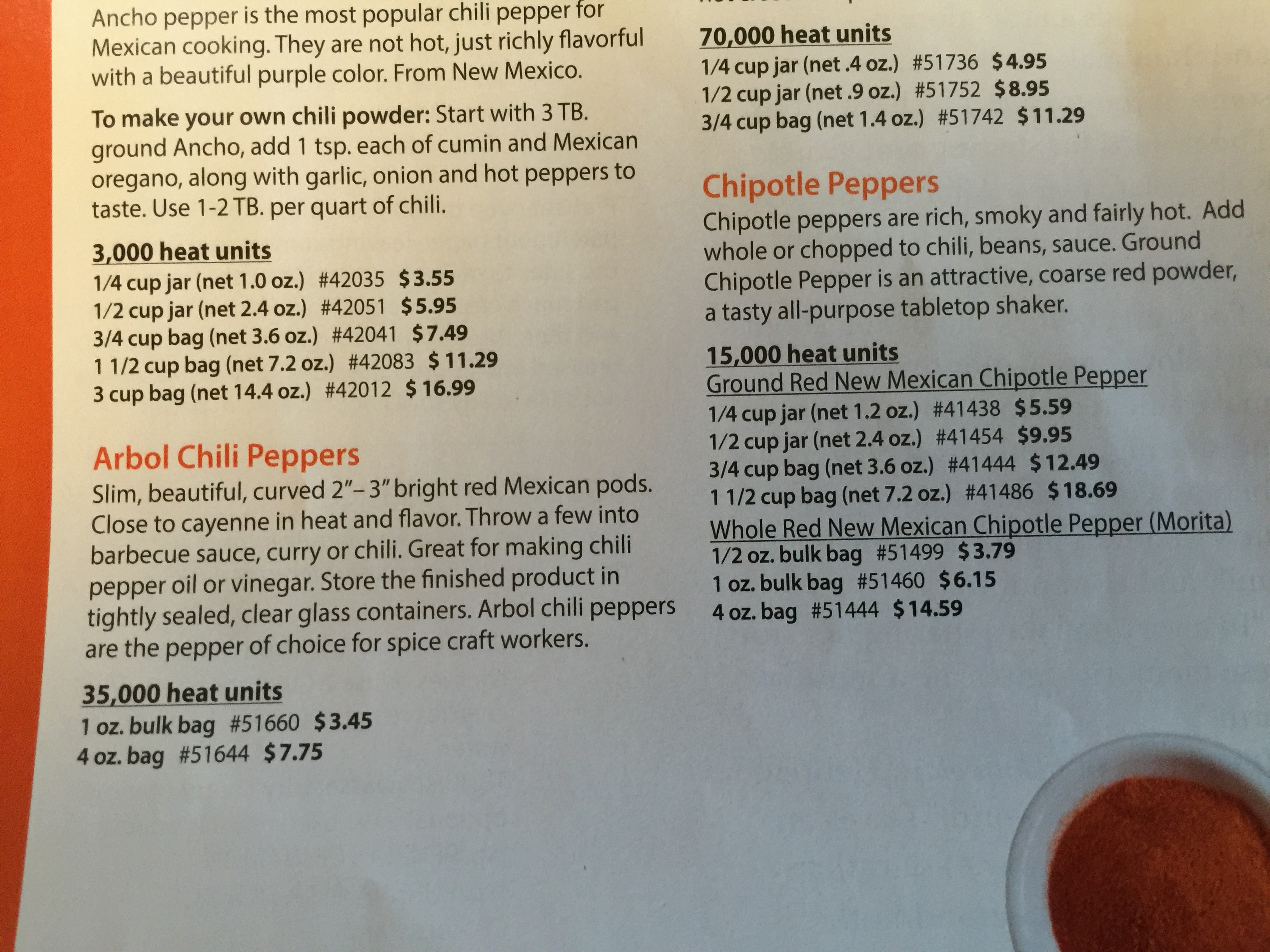
The heat of peppers is measured in what is called Scoville Units. A Scoville unit is determined by how much water is needed to calm the burn caused by the heat.
Burn is, however, misleading. Peppers to not really burn. They cause a chemical reaction in the body and its understanding of what it is tasting. They say that eating a lot of peppers does not hurt your body.
Most of the heat of a pepper is contained in the seeds and membrane of the pepper. There is also a capsacin gland near the stem of the pepper in which the heat is concentrated.
The flesh is usually what is eaten and is usually not too hot.
When cutting/disecting a pepper, it is advisable to wear gloves, as the oil from the pepper will cause extreme discomfort if you wipe your eye or use the bathroom after touching the pepper. OUCH.
HERE is another good page on peppers for you to read.
At the lower end of the Scoville Scale are peppers such as Bell Peppers and Pepperoncini Peppers. These measure about 200-800 units.
Others in this range:
The Spanish Guindilla Verde
Basque Fryer (a.k.a. Piment d’Anglet, Doux Long des Landes)
Anaheim
Spanish Guernica
Next is the Poblano, which is about 1000-1500 units. When these are dried, they are renamed Ancho Peppers, but keep the same amount of heat. Usually the skin is blackened over a grill and the burnt pepper placed into a plastic bag. After a few minutes, the tough outer skin peels off easily leaving a tasty meat behind. Poblanos are frequently used for Chili Rellenos.
Others in this range:
Hatch Chili Peppers
Chilaca (a.k.a. Pasilla)
Hot Banana
Pimiento de Padrón
Hungarian Pimento
Shishito
Jalapeño Peppers are next and can range from 2,500-8,000 units. When they ripen they turn red and are used to make Siracha sauce. If they are smoked and dried they are called chipotle peppers. These are quite flavorful and are used in medium salsas.
Others in this range:
Aji Rojo
Hot Cherry
Serarano peppers range from 10,000 – 25,000 and pack a lot of flavor. This is frequently used in hot salsas.
Others in this range:
Cayenne
Habanero
Thai Chili Peppers range from 100,000 to 250,000 units.
Others in this range:
Scotch Bonnet Peppers range from 100,000 to 350,000 units.
Others in this range:
New on the scene are ghost peppers, which range from 800,000 to 1 million units
Others in this range:
Carolina Reaper: 1.5 to 2.2 million units
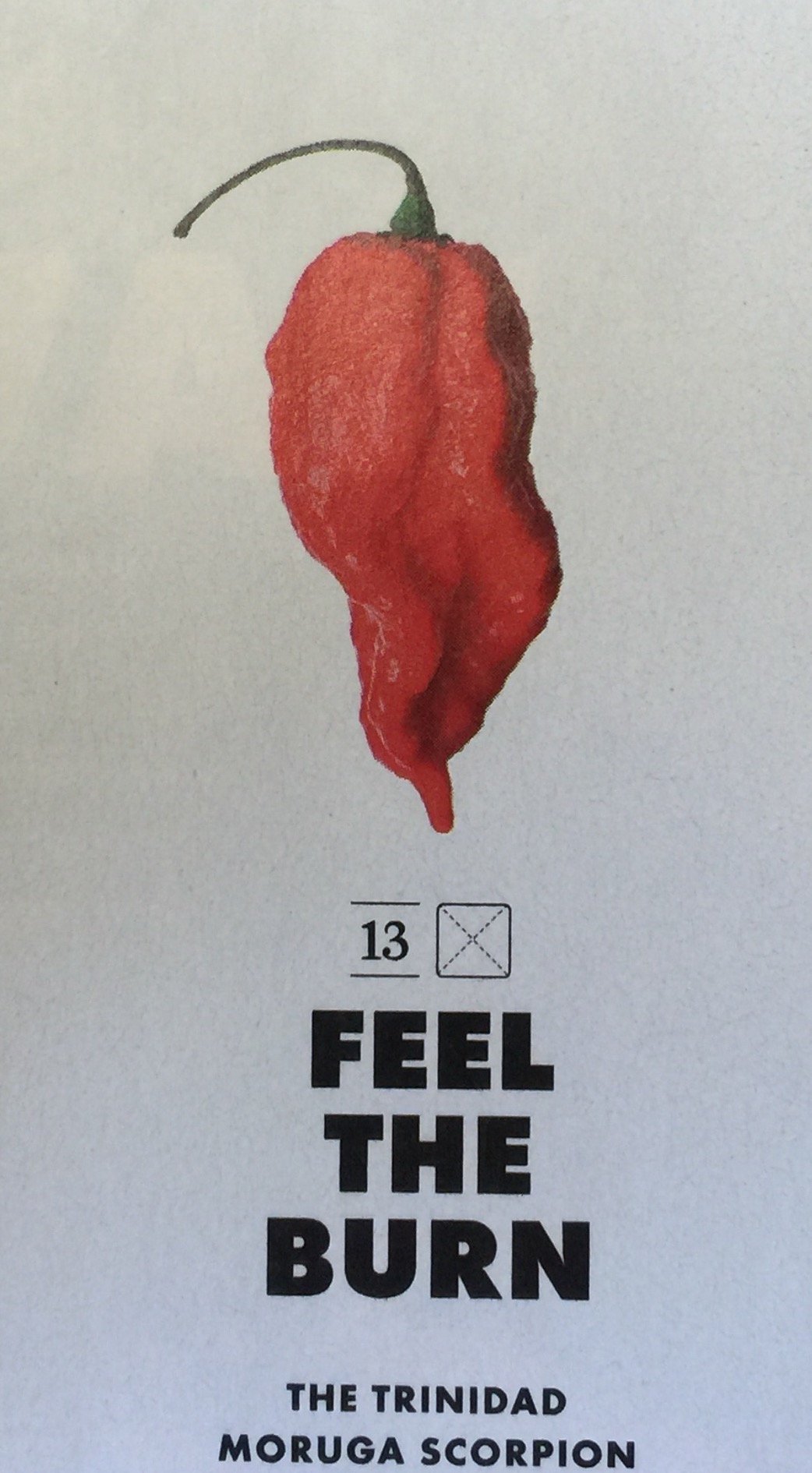
Trinidad Moruga Scorpion: 1.2 to 2 million units
Other Pages: Epicurious

TIPS: IP Address of your Computer
OK… this is not exactly a recipe,
but it may come in handy for you,
so don’t forget about this page.
Sometimes you need to know the unique identifier
for your computer, area or provider. You can get
that information by clicking the link below.
What is my IP Address?
Tips: Caul Fat
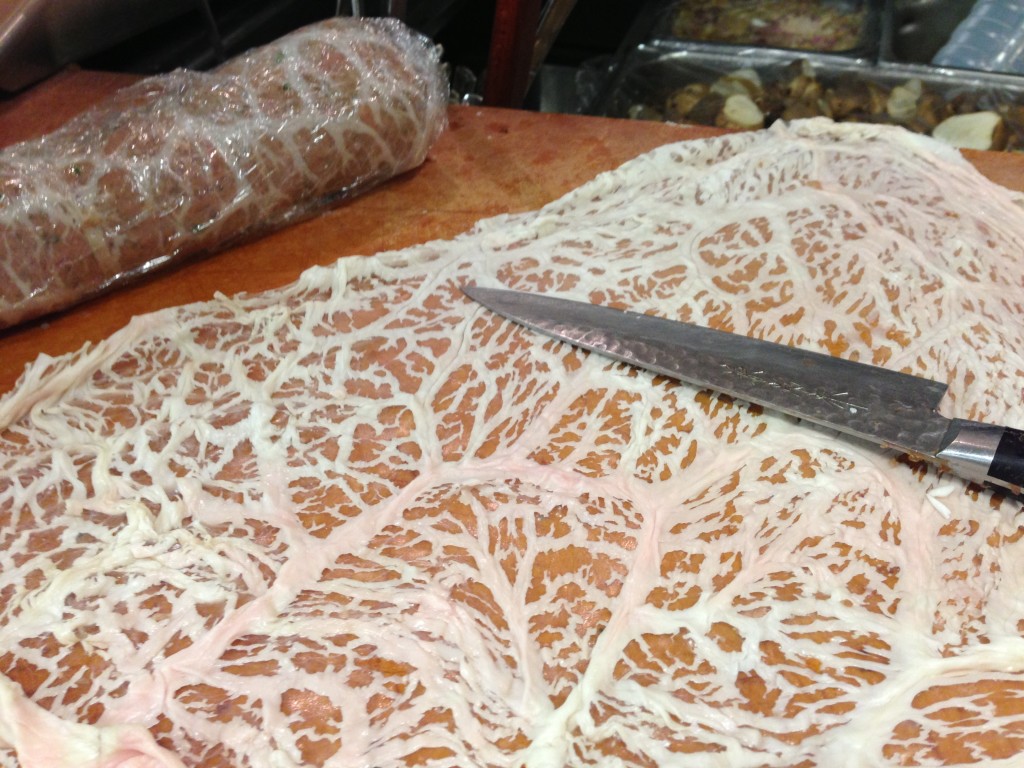 Caul fat is the thin membrane that encases an animals intestines. While it sounds gross, the caul fat gives a roast body and supports it while it cooks. The fat melts away, and the roast stays formed.
One interesting tip is to lay it out on plastic wrap. The Caul Fat itself is like trying to wrestle a spider web. The plastic wrap gives it a foundation on which it can be handled.
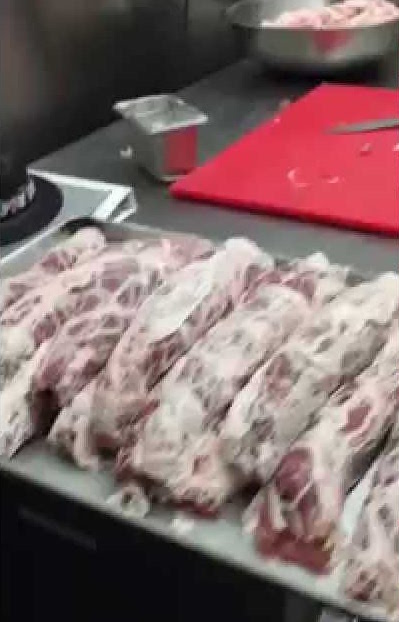 Here are a couple of links to research it.
Chef’s Resources
Overview of how to use it
Here are a couple of recipes.
Roasted Pork Loin
Stuffed Pork Loin with a Video
Wrapped Halibut
Here are a couple of places where you might be able to buy it.
Amazon.com – Try it from your butcher first. Amazon wants you to buy A LOT.
Photos for Guys Grocery Games
About Robert and the Photos…
Appetizers, Condiments and Sides
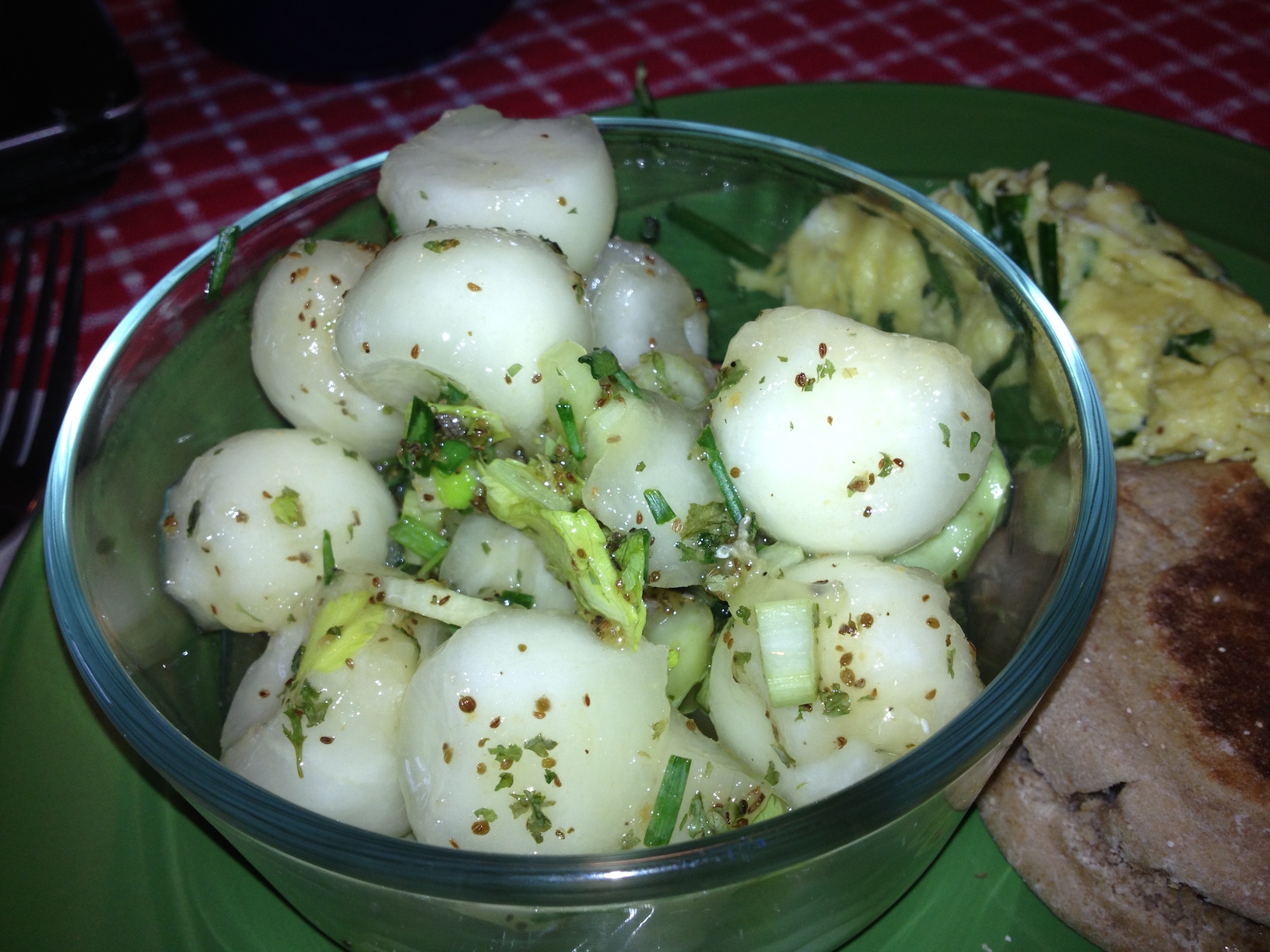
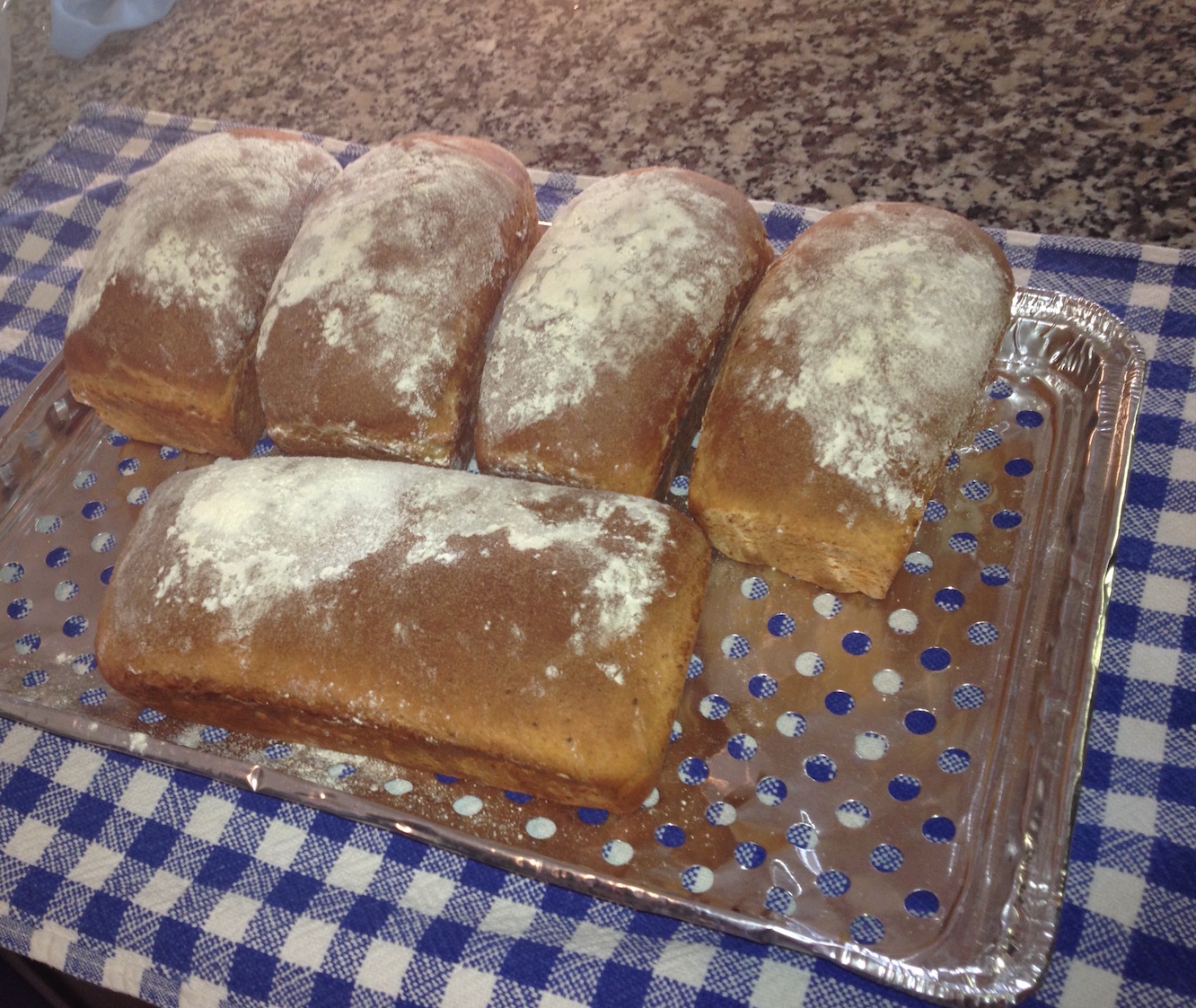
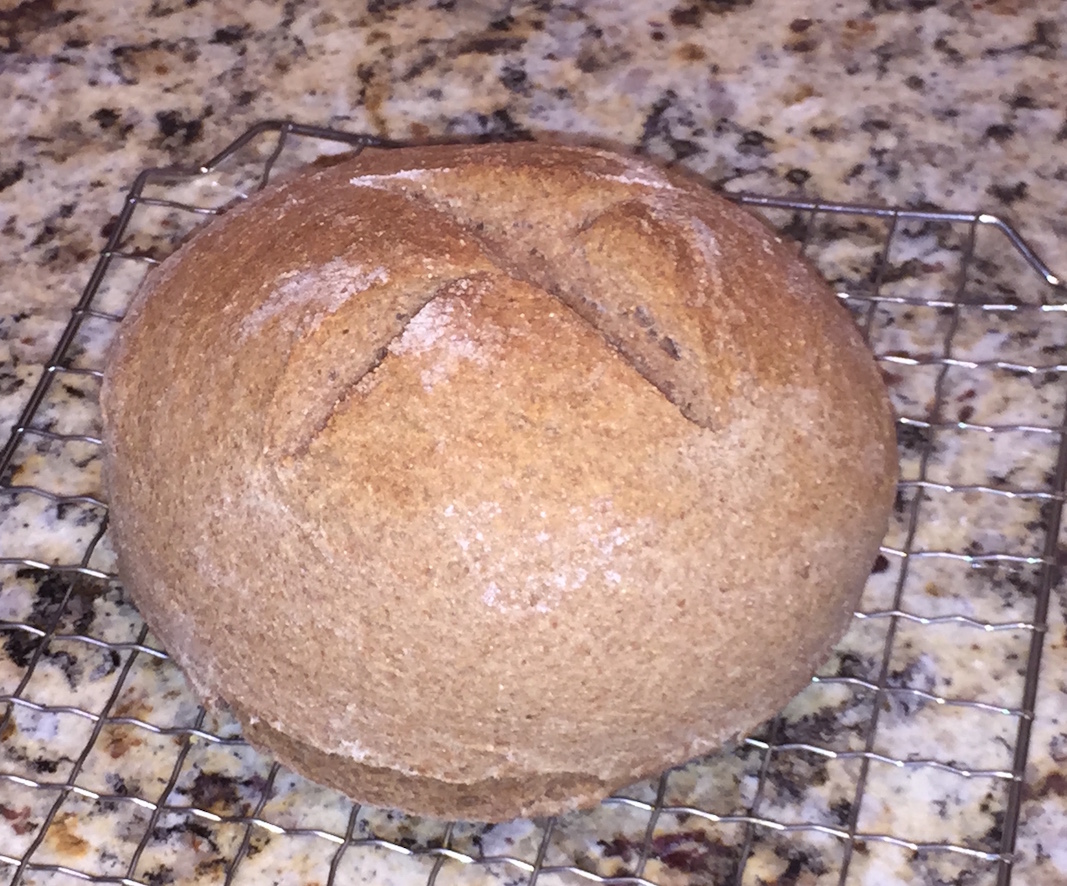
Breakfast
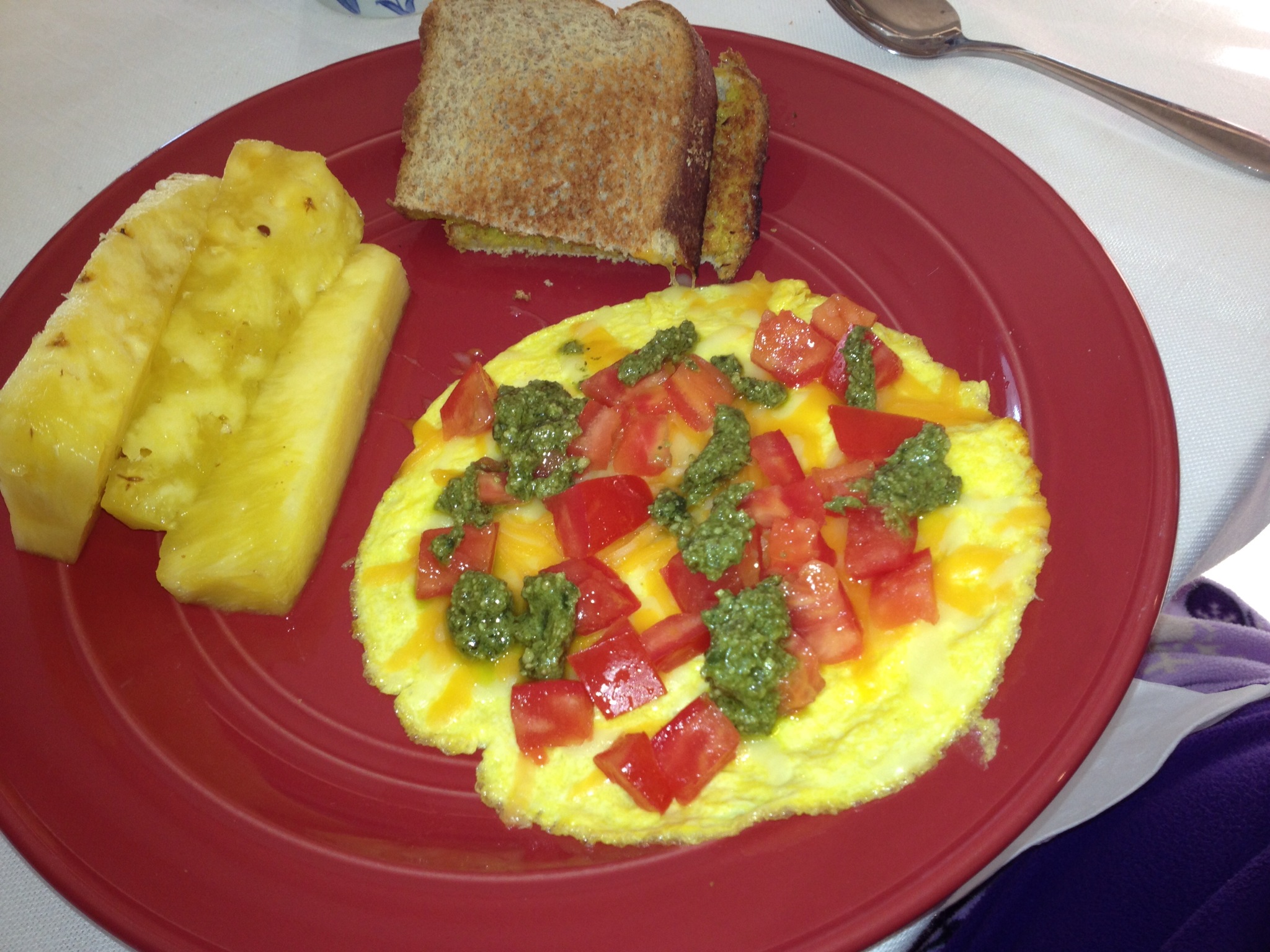

Lunch
Dinner
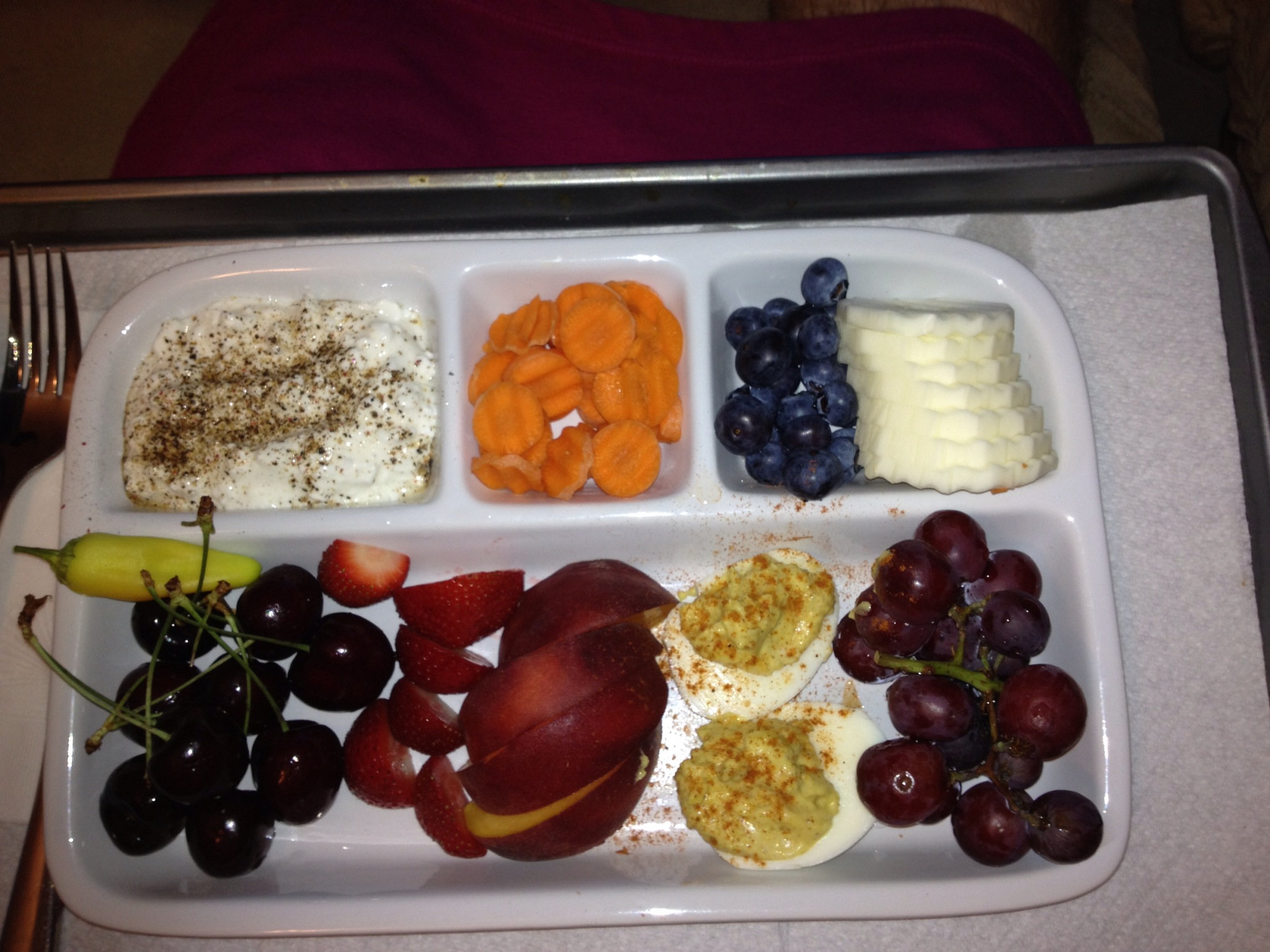
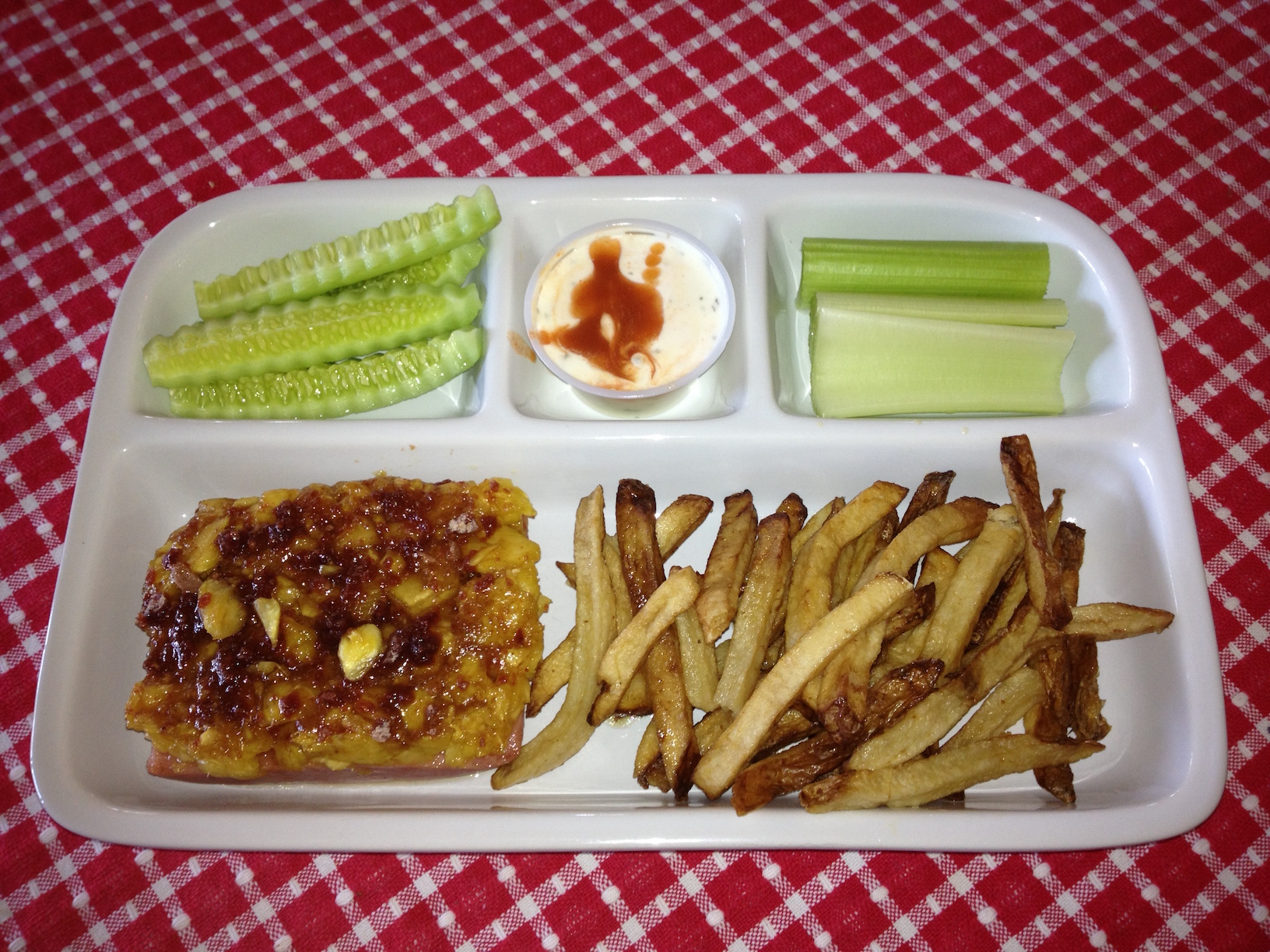
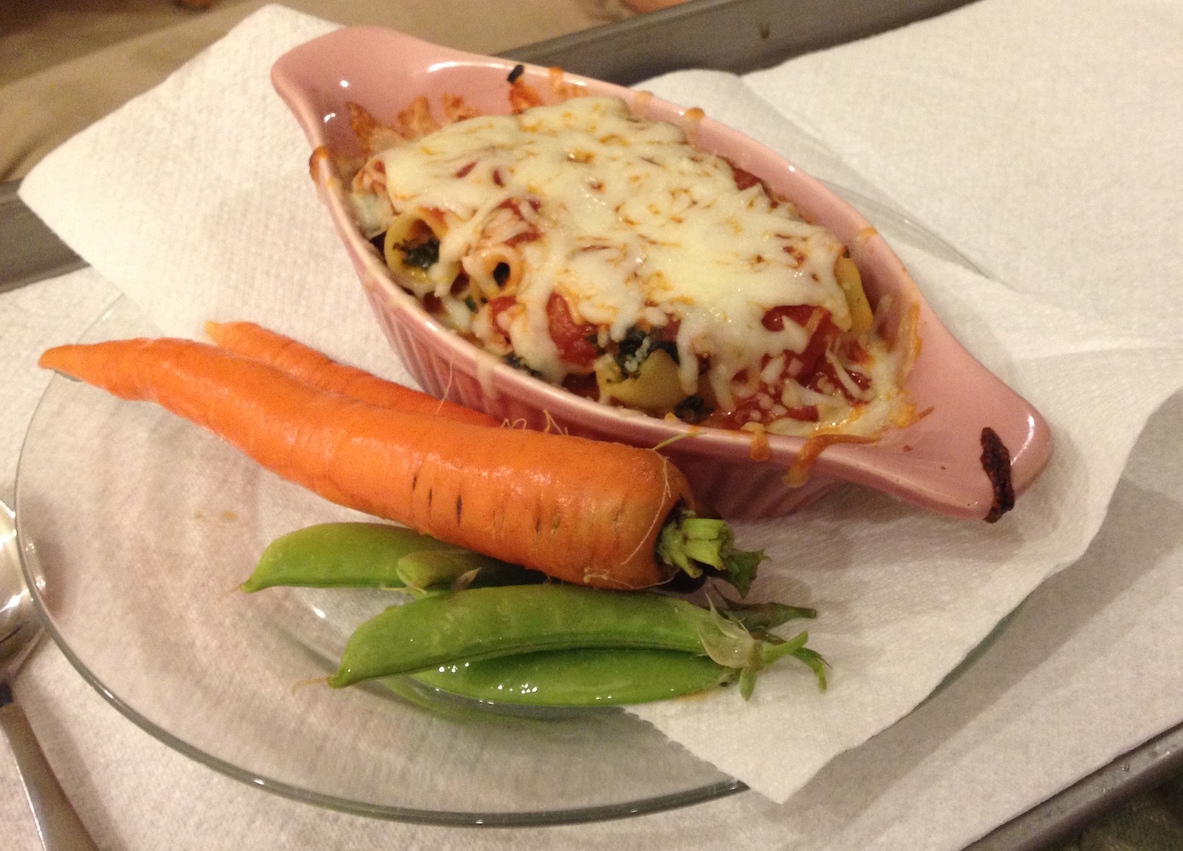
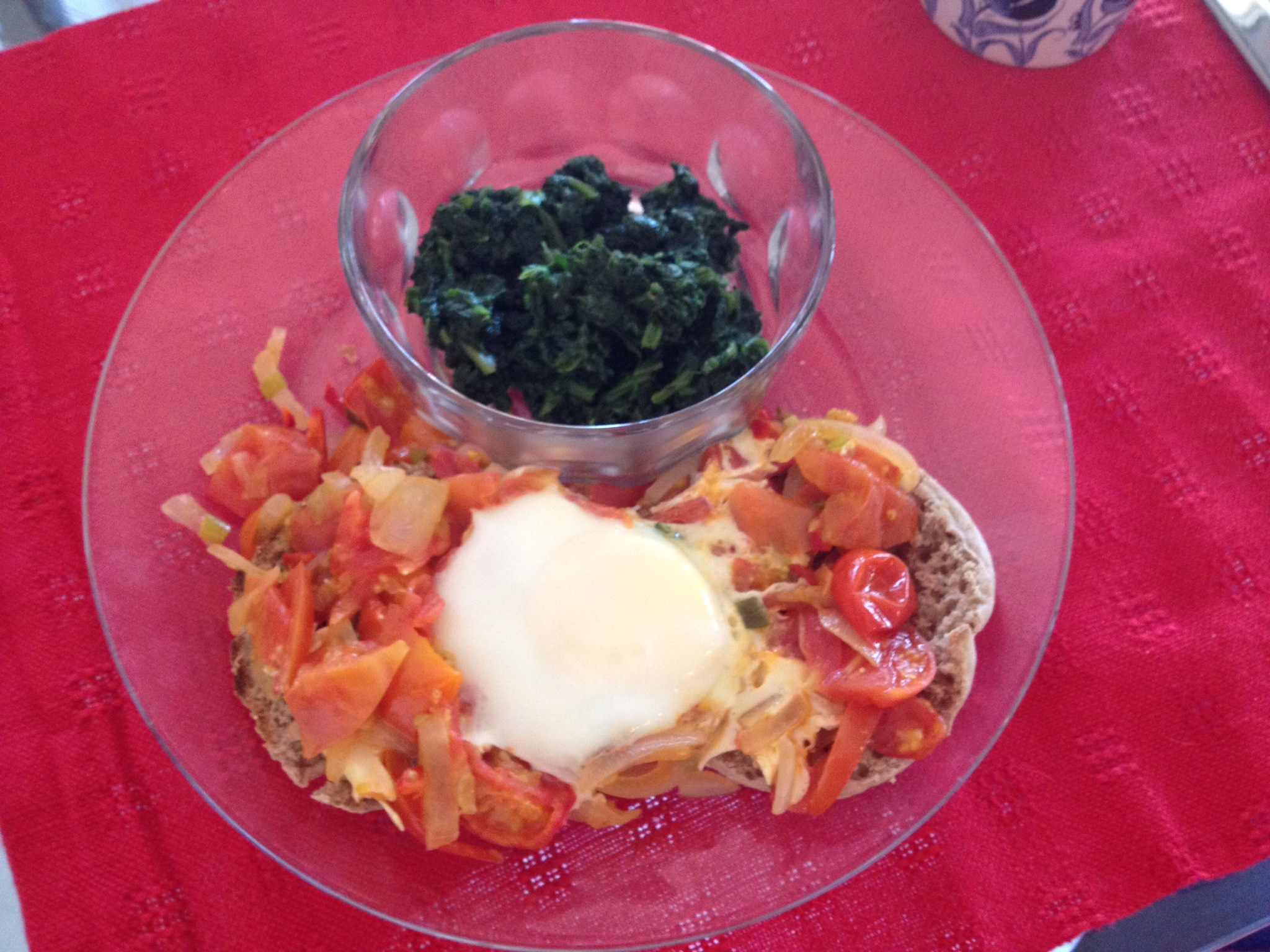
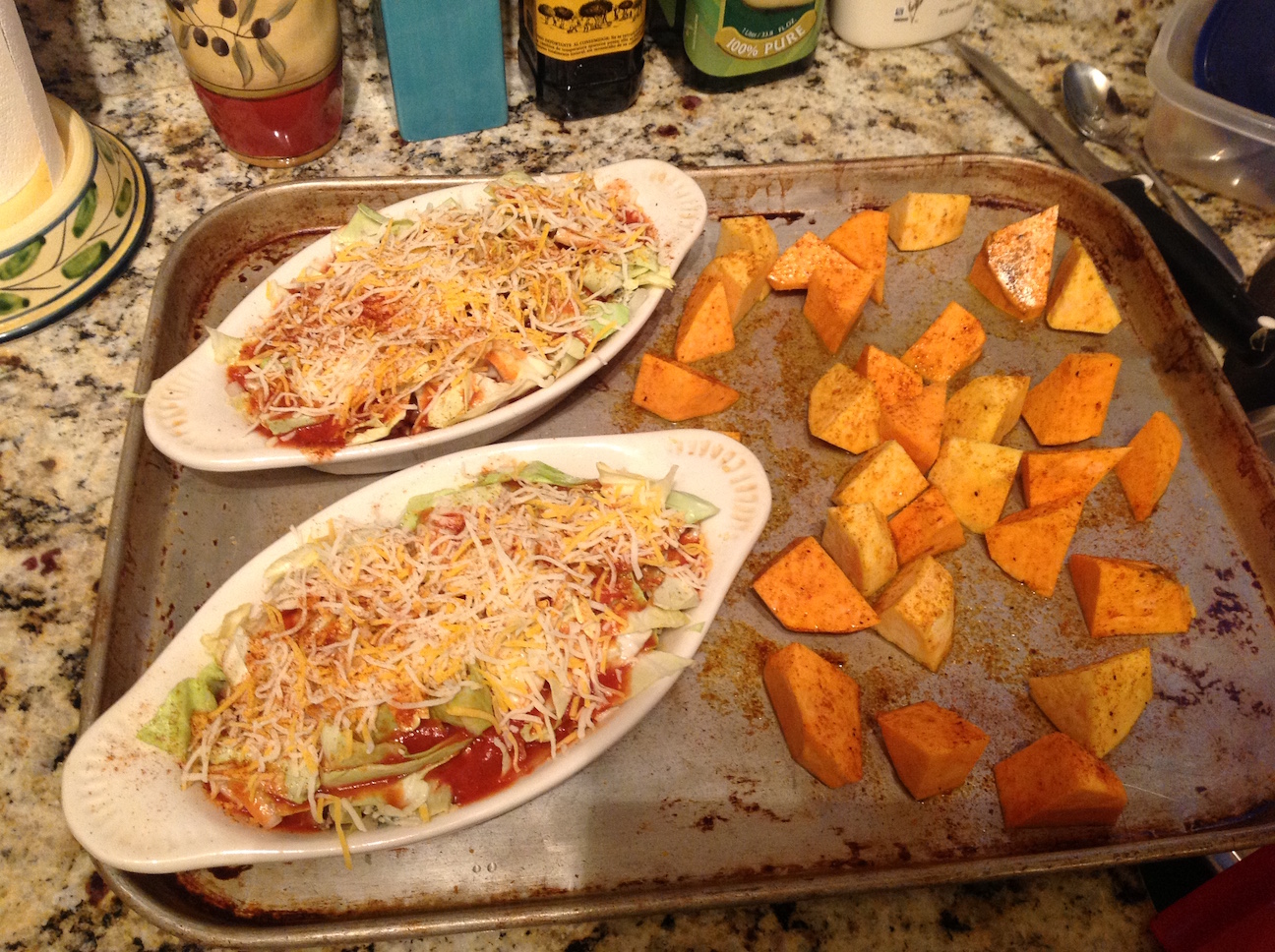
Home and Family Life






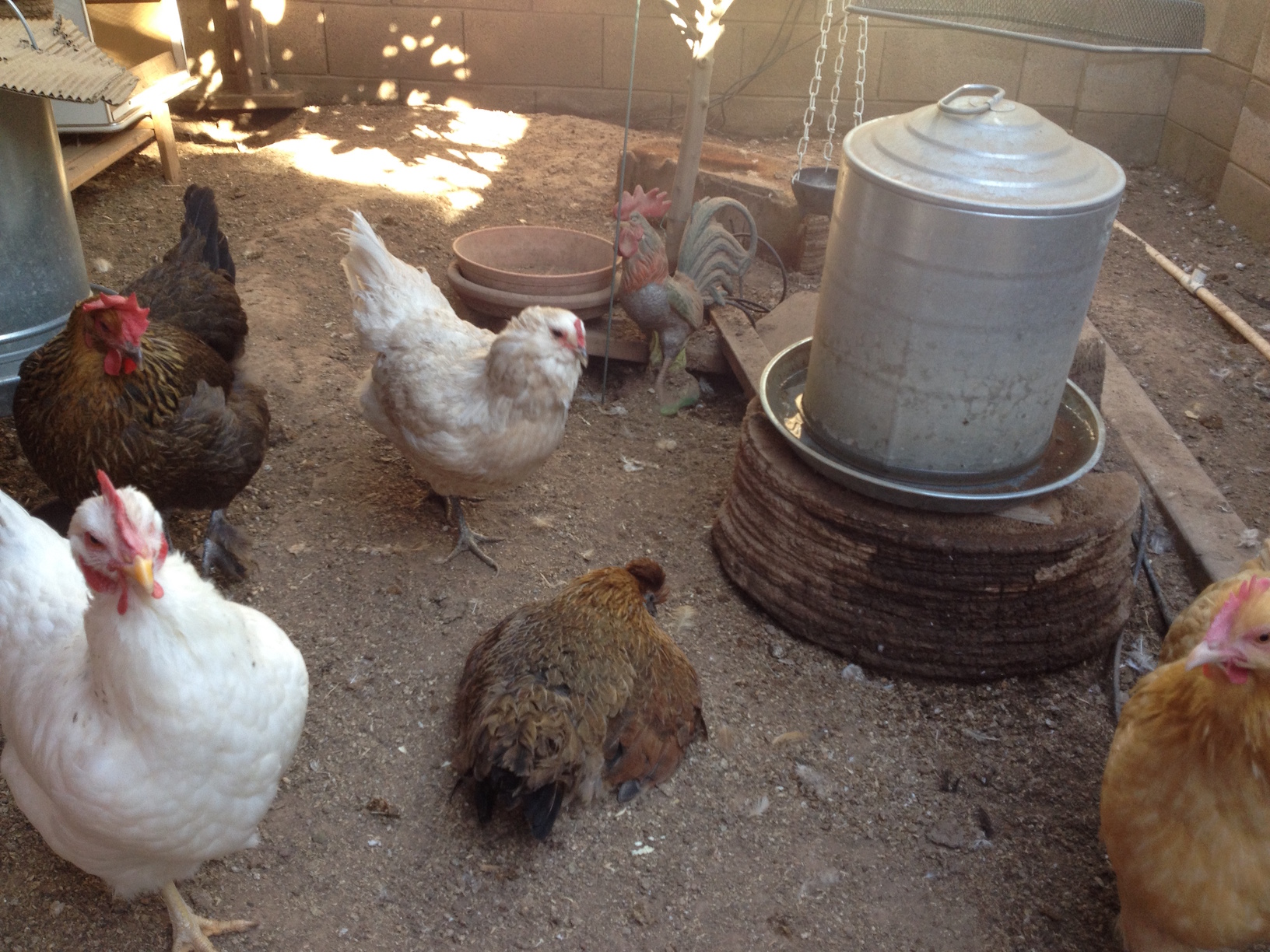
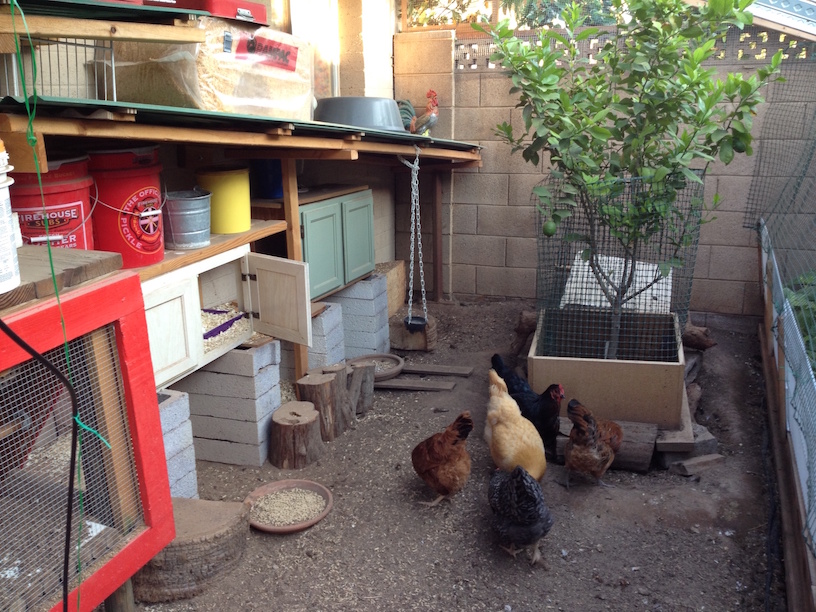
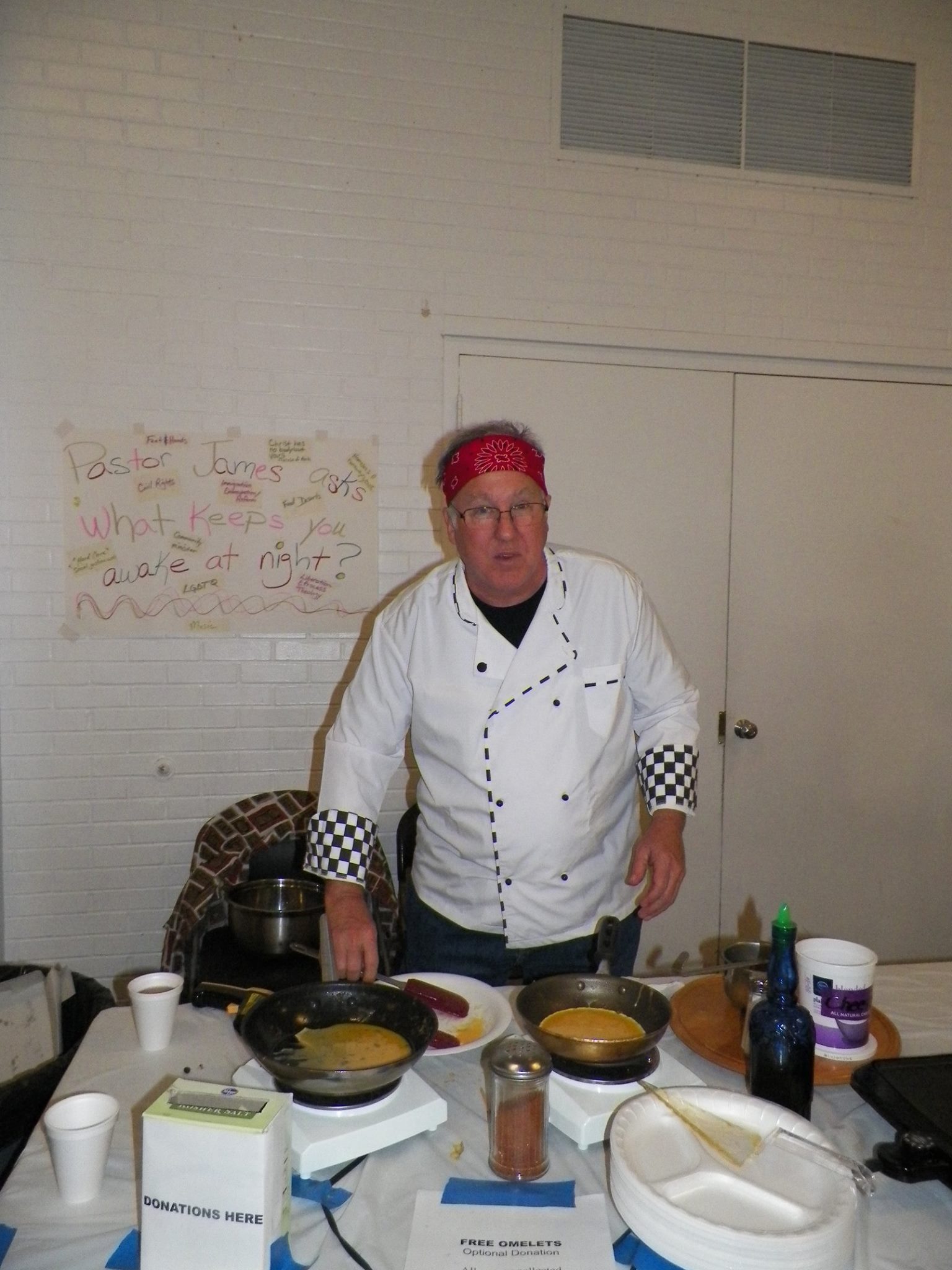



Travel











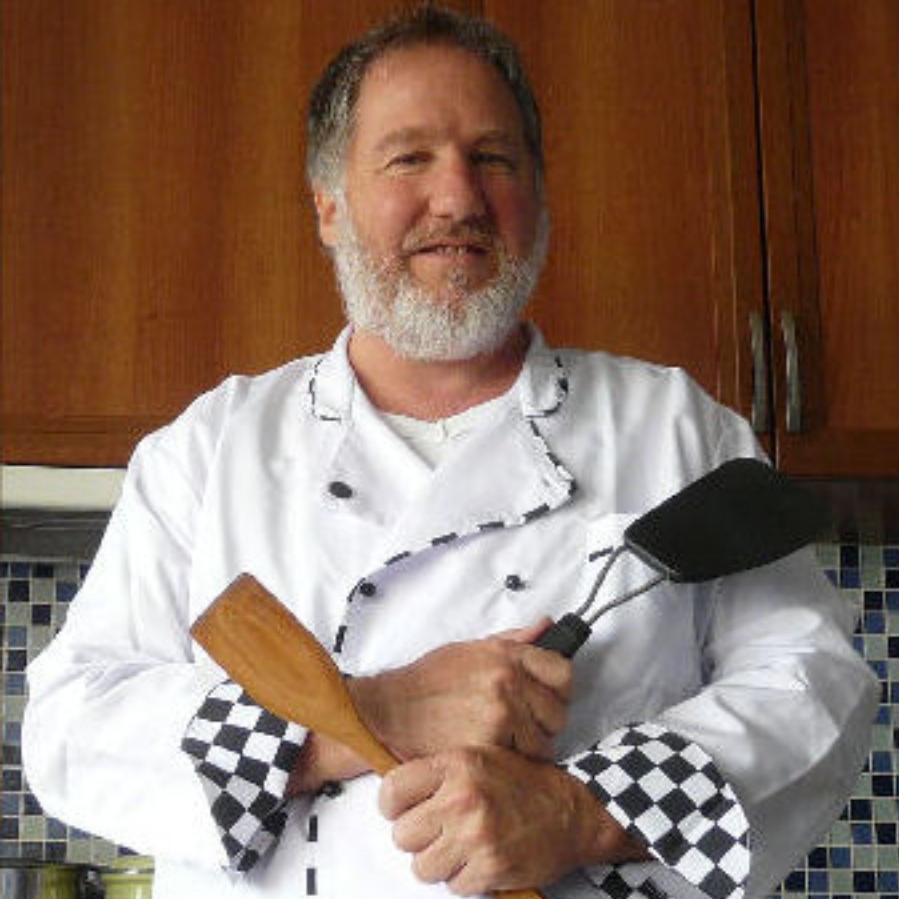


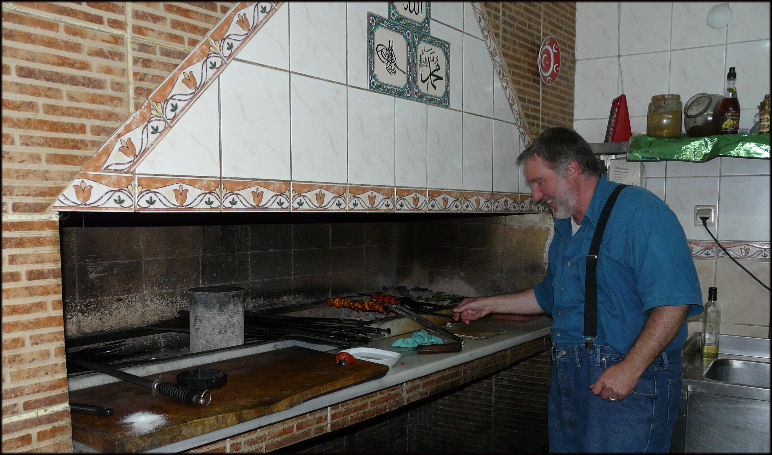
Robert is 57 years old. He retired from Software development in 2005 and turned his attention to cooking. He has taken several classes in cooking, but mainly relies on learning from other chefs and his own intuition. His travels have taken him to kitchens around the world, and to countries including Spain, France, Istanbul and the Czech Republic.
Here are some of the high points from the enclosed photographs.
Bread Two photos of some of the loaves that Robert has created.
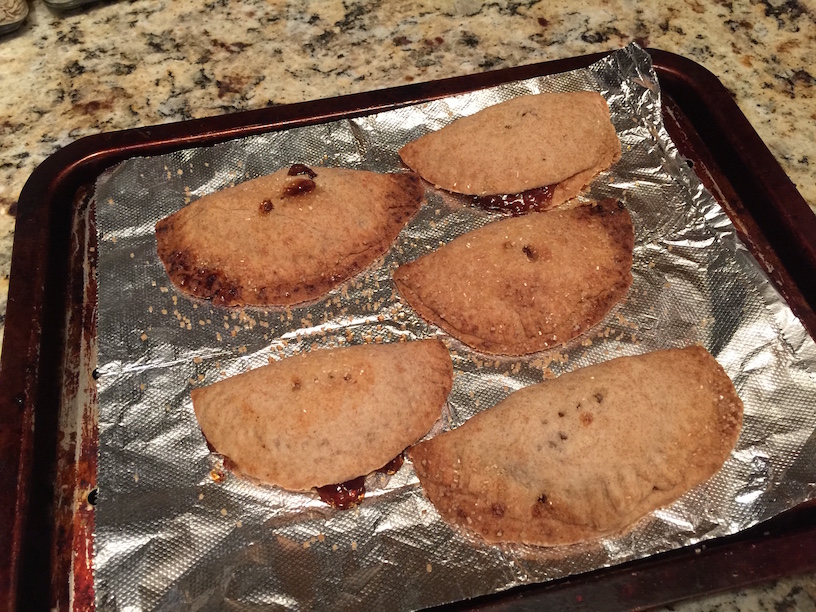
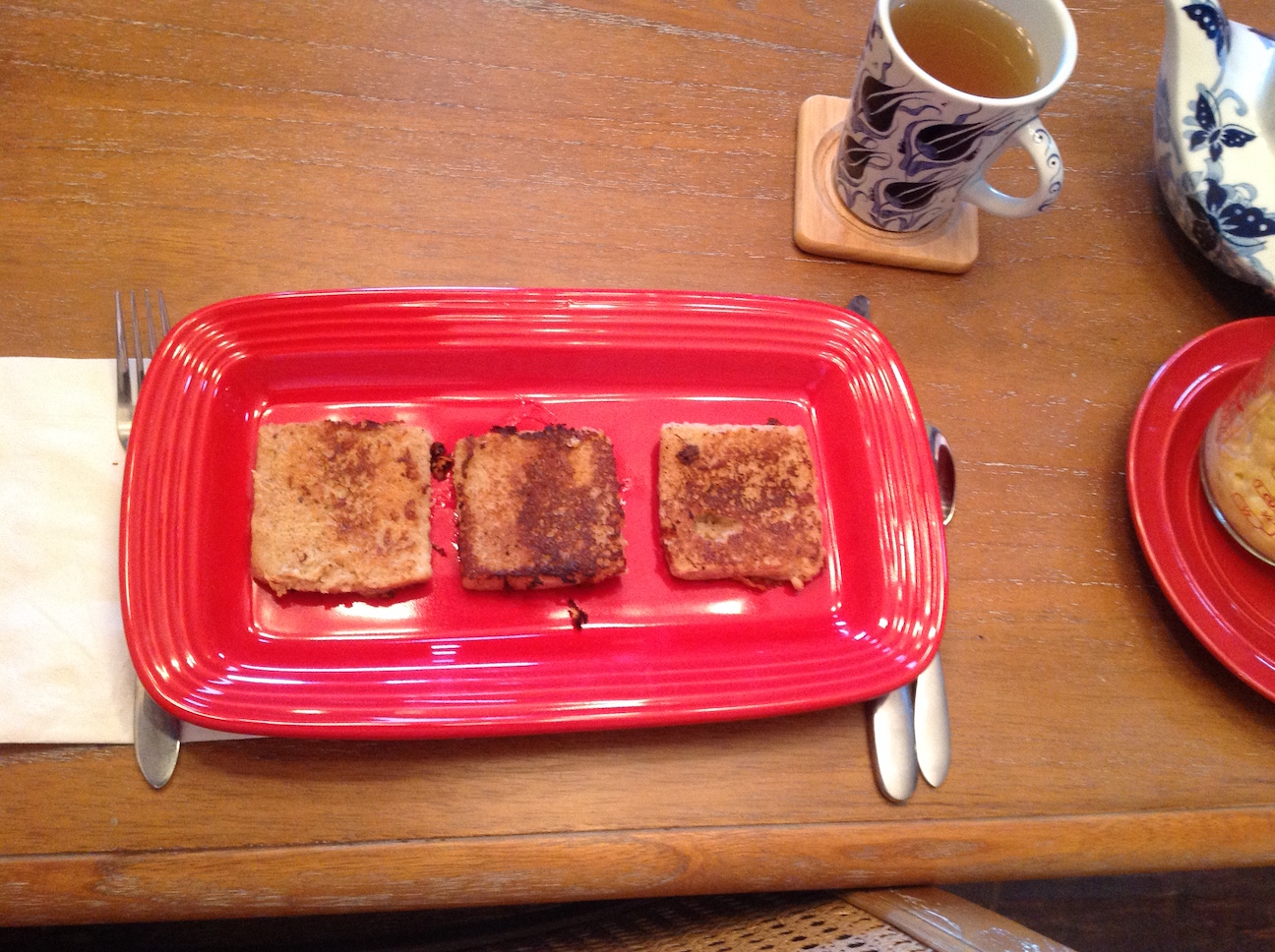
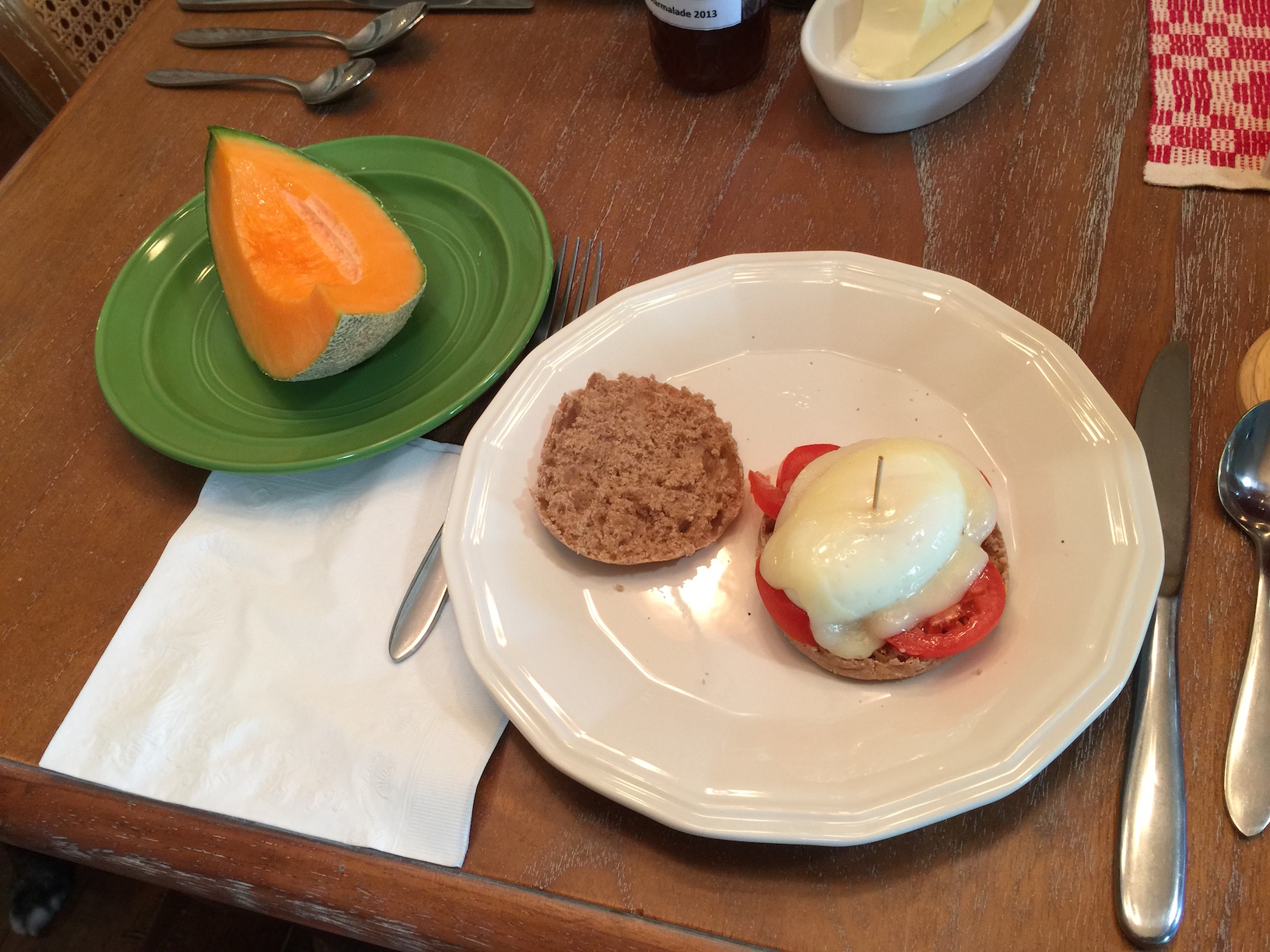
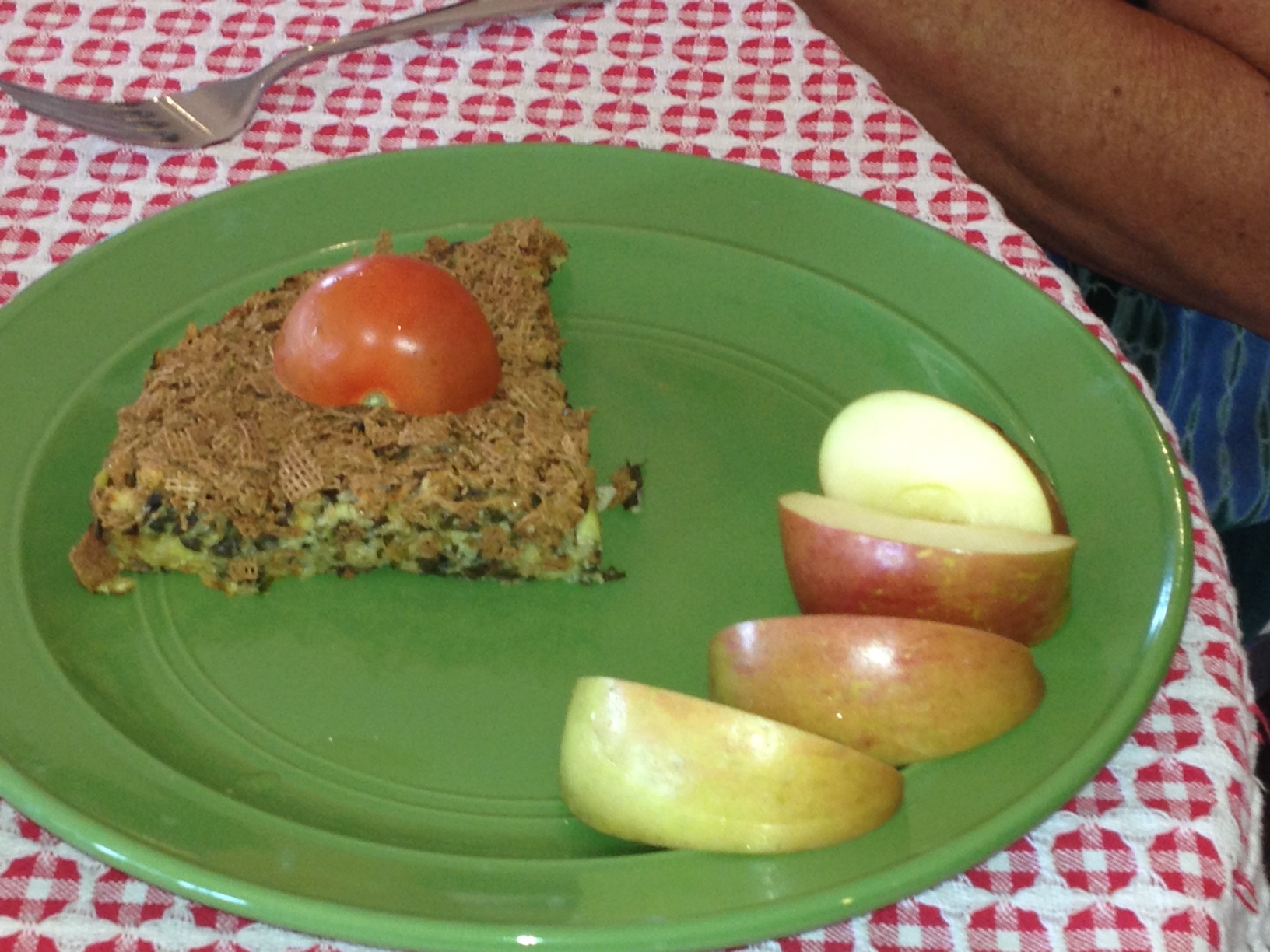
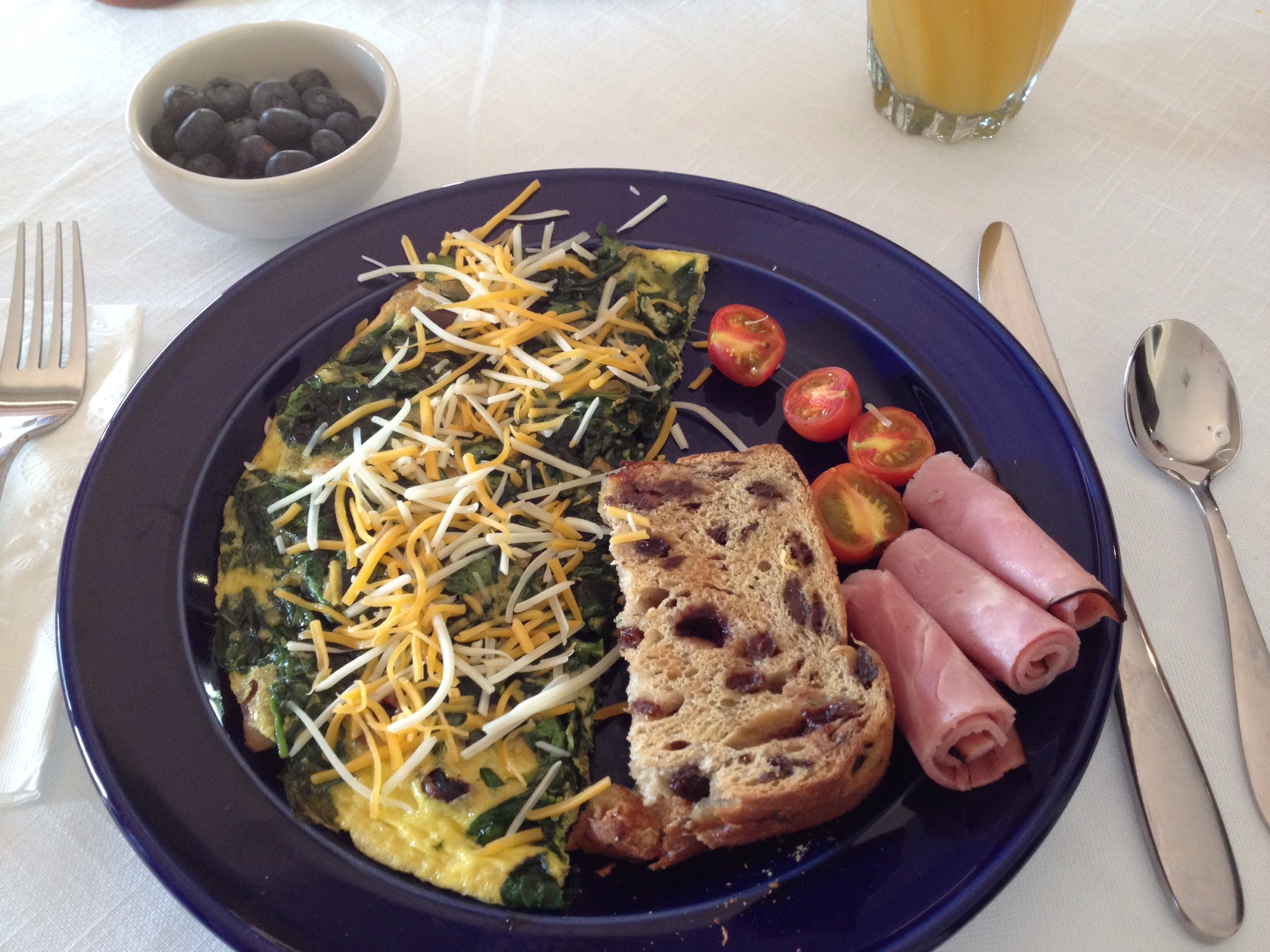
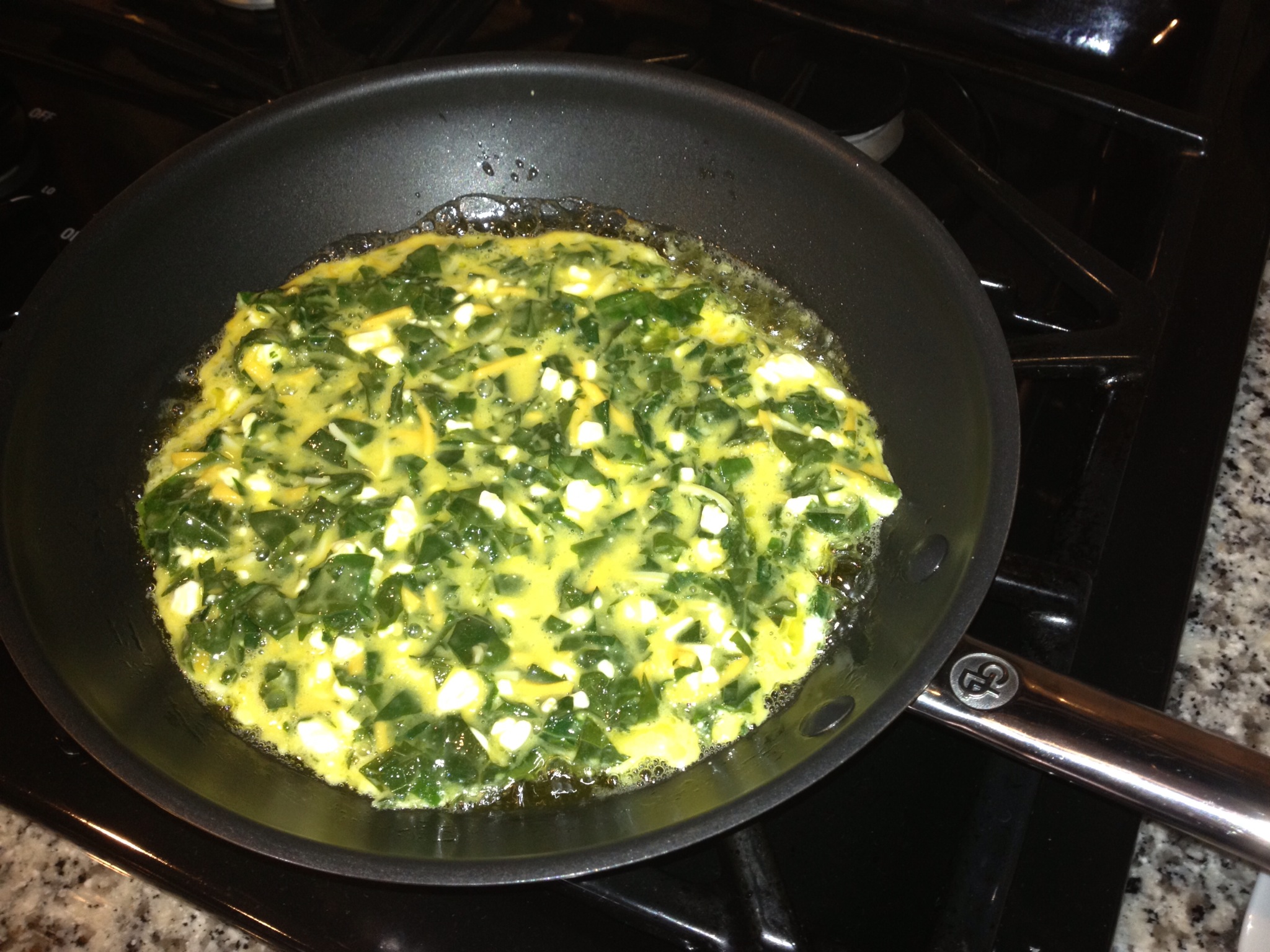
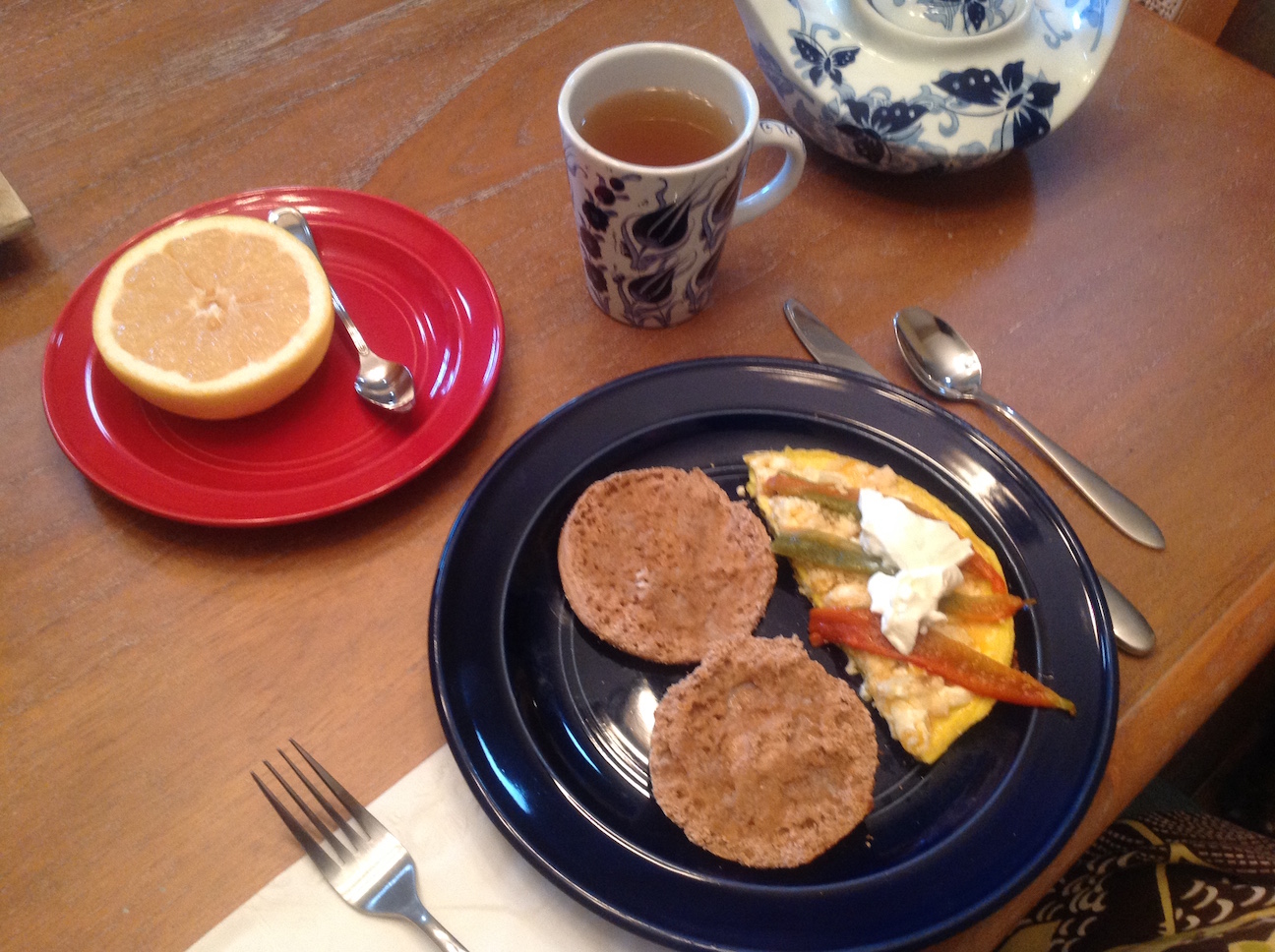
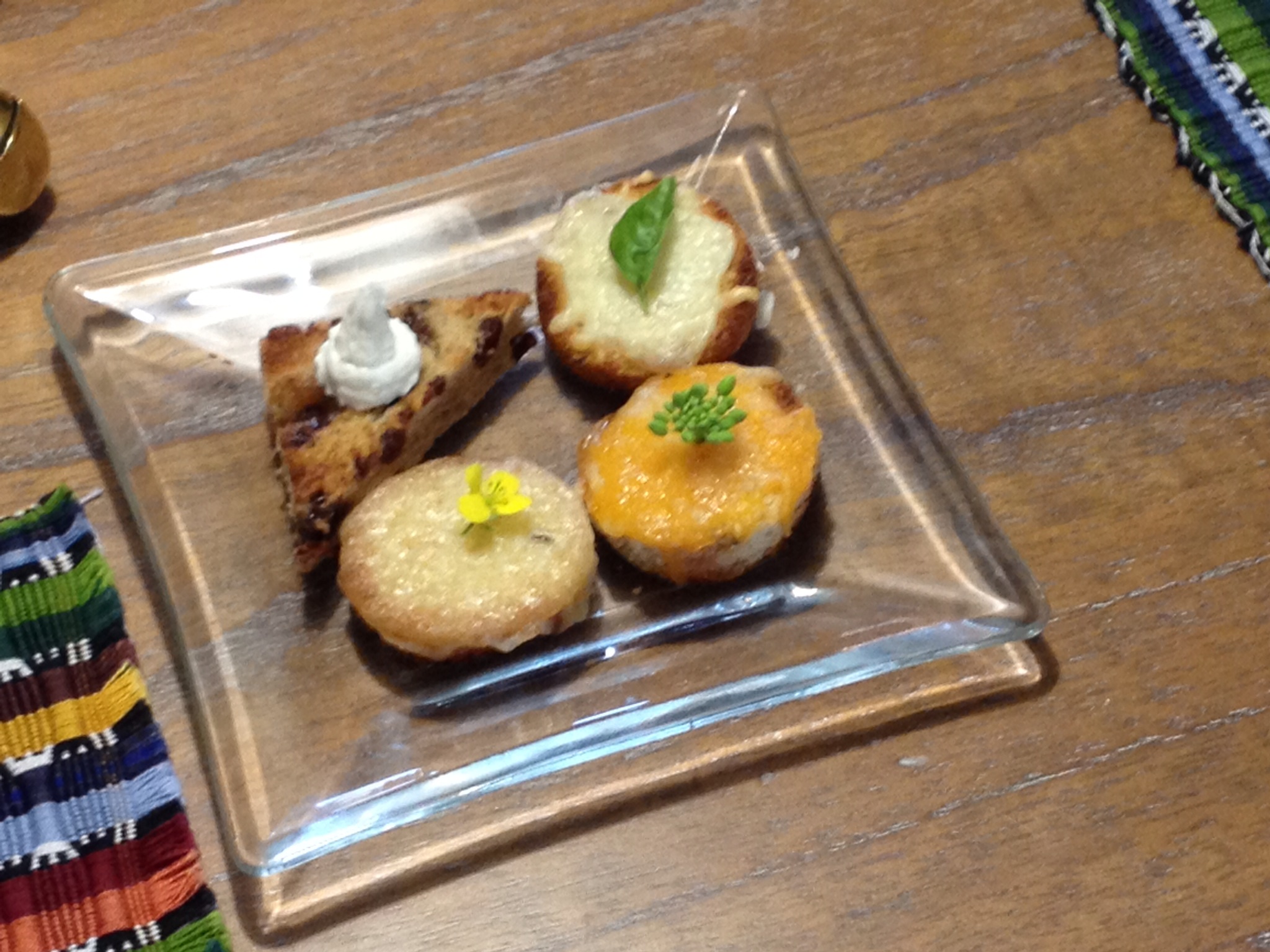
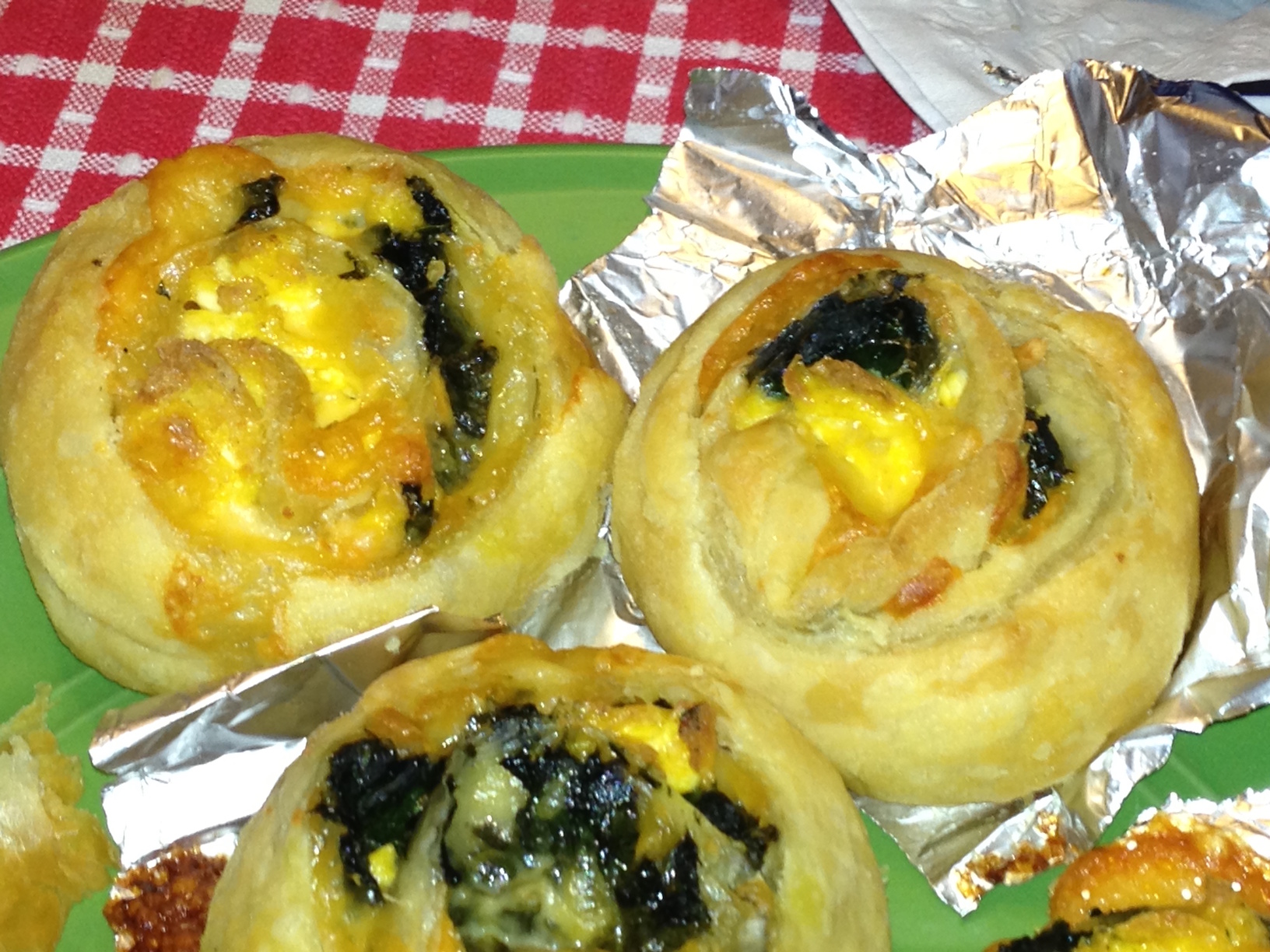
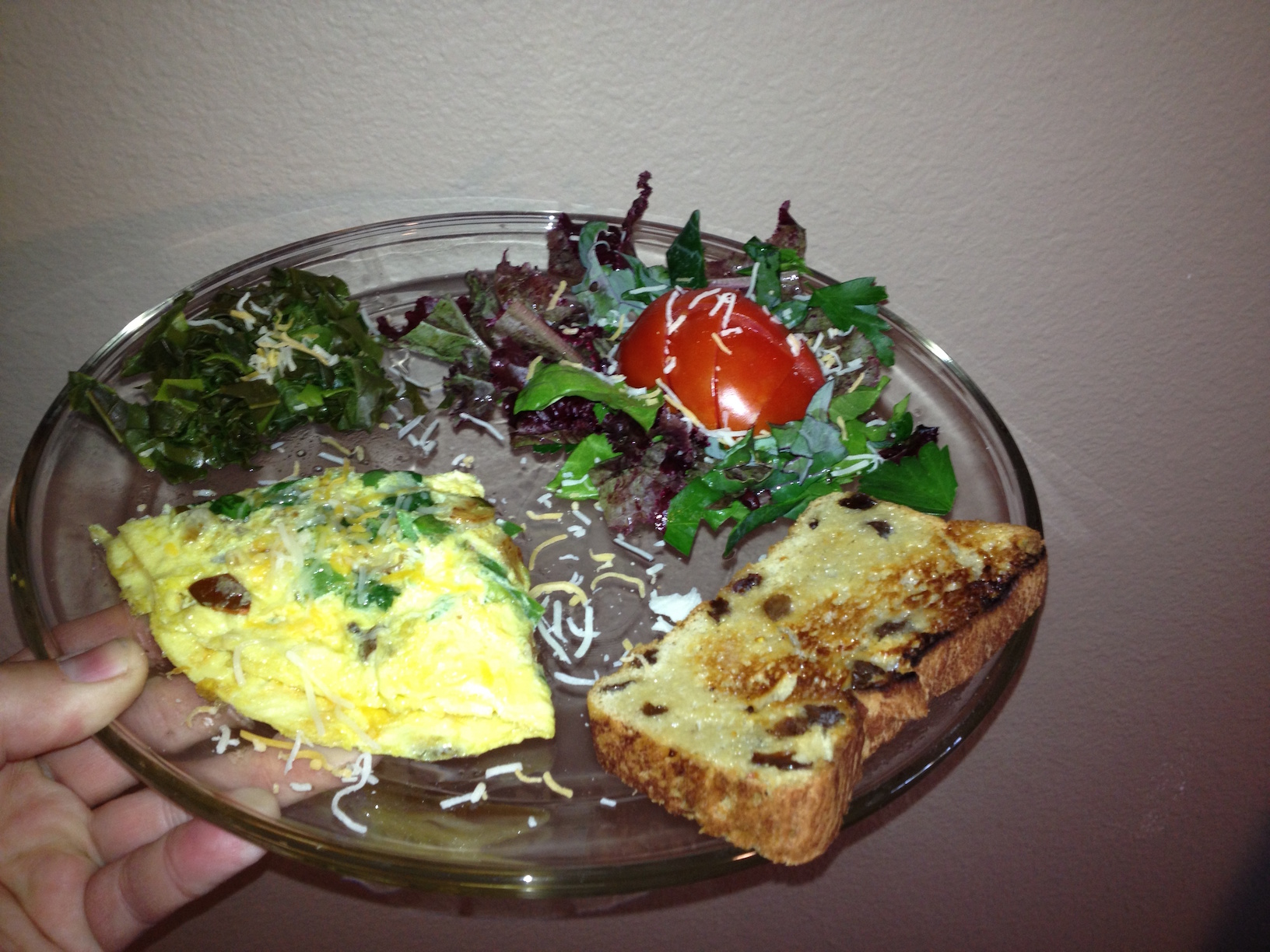
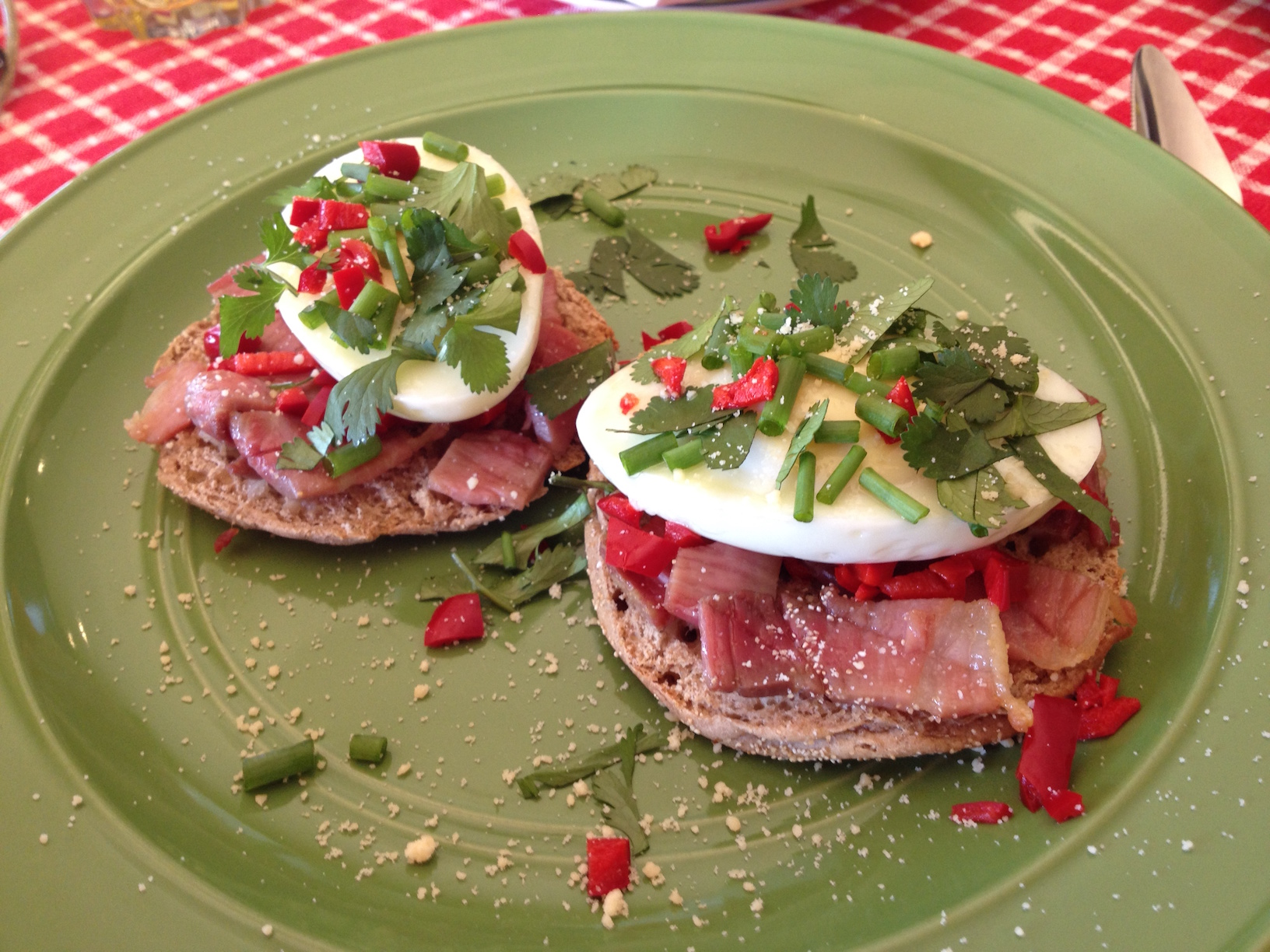
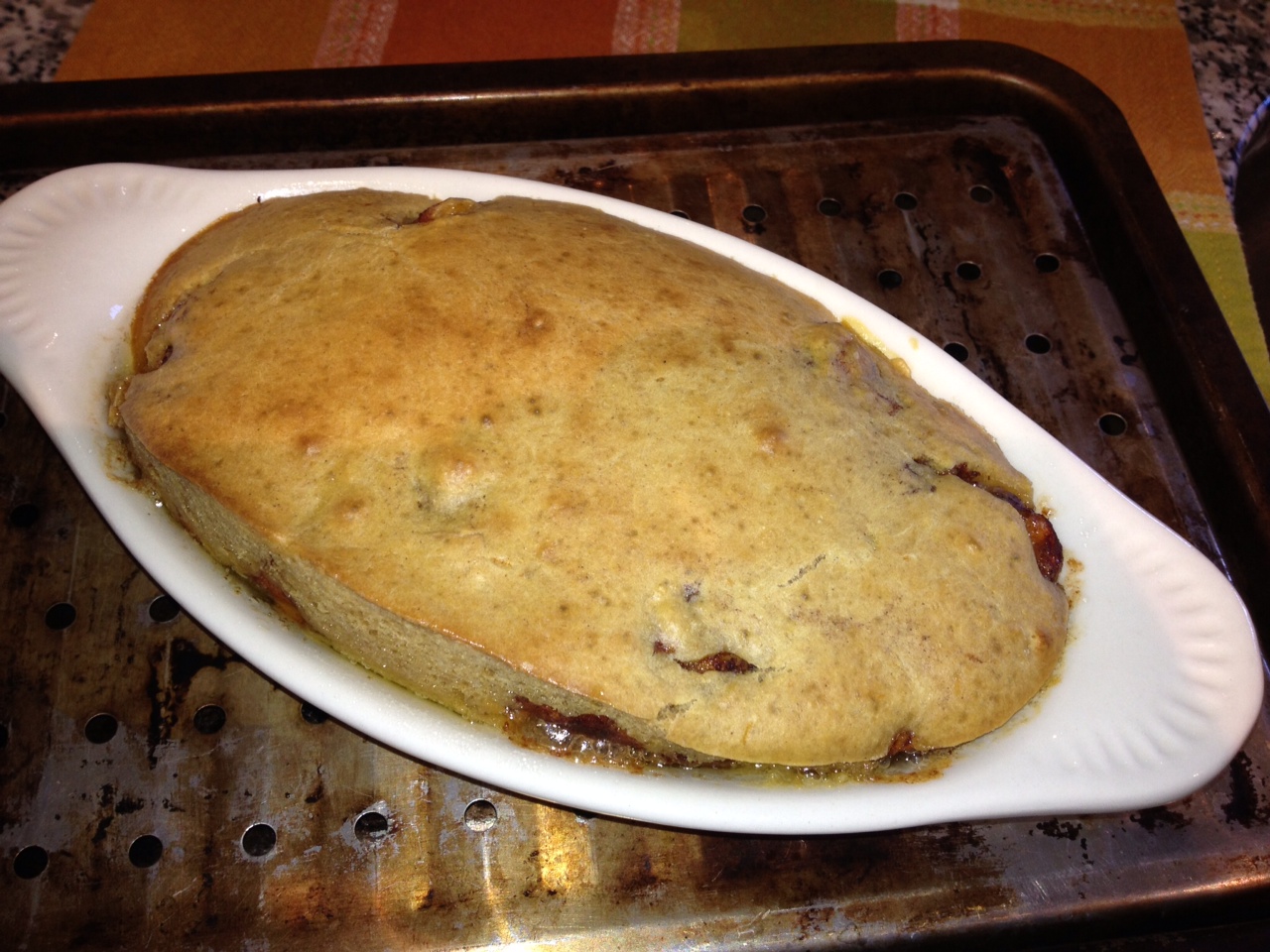
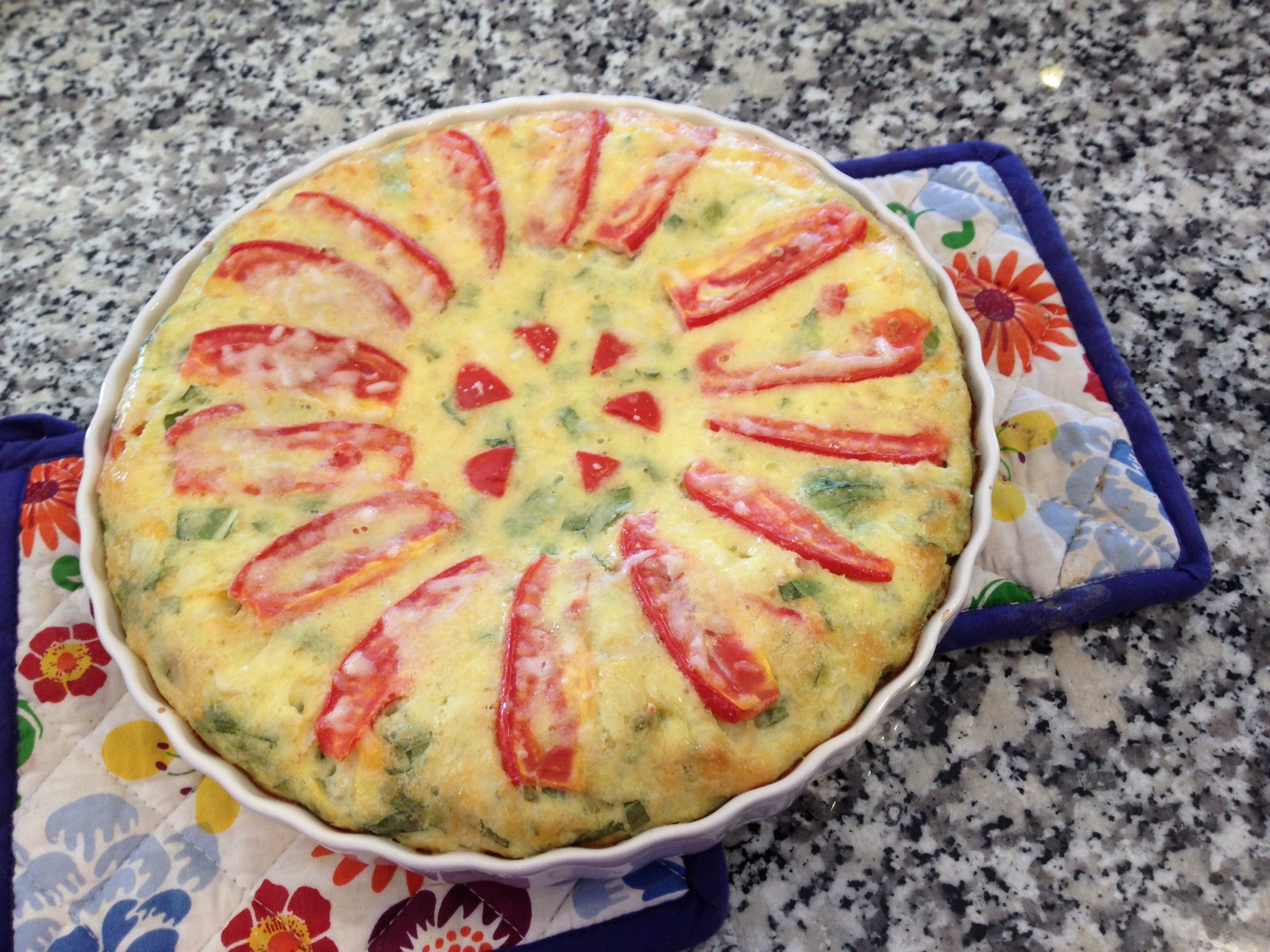
Breakfast Photos include lots of eggs, French Toast, breakfast tarts, quiches, and muffins.
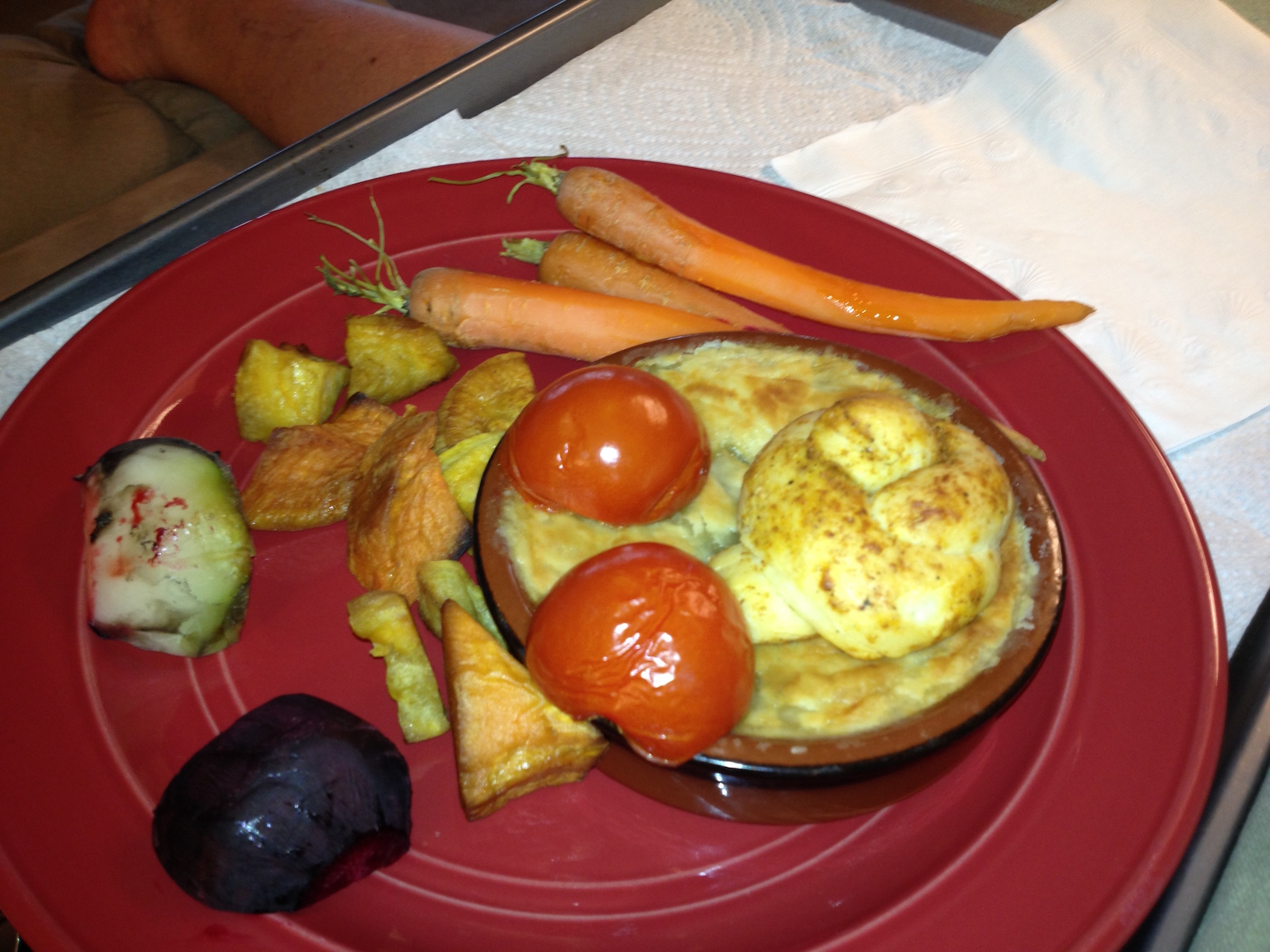
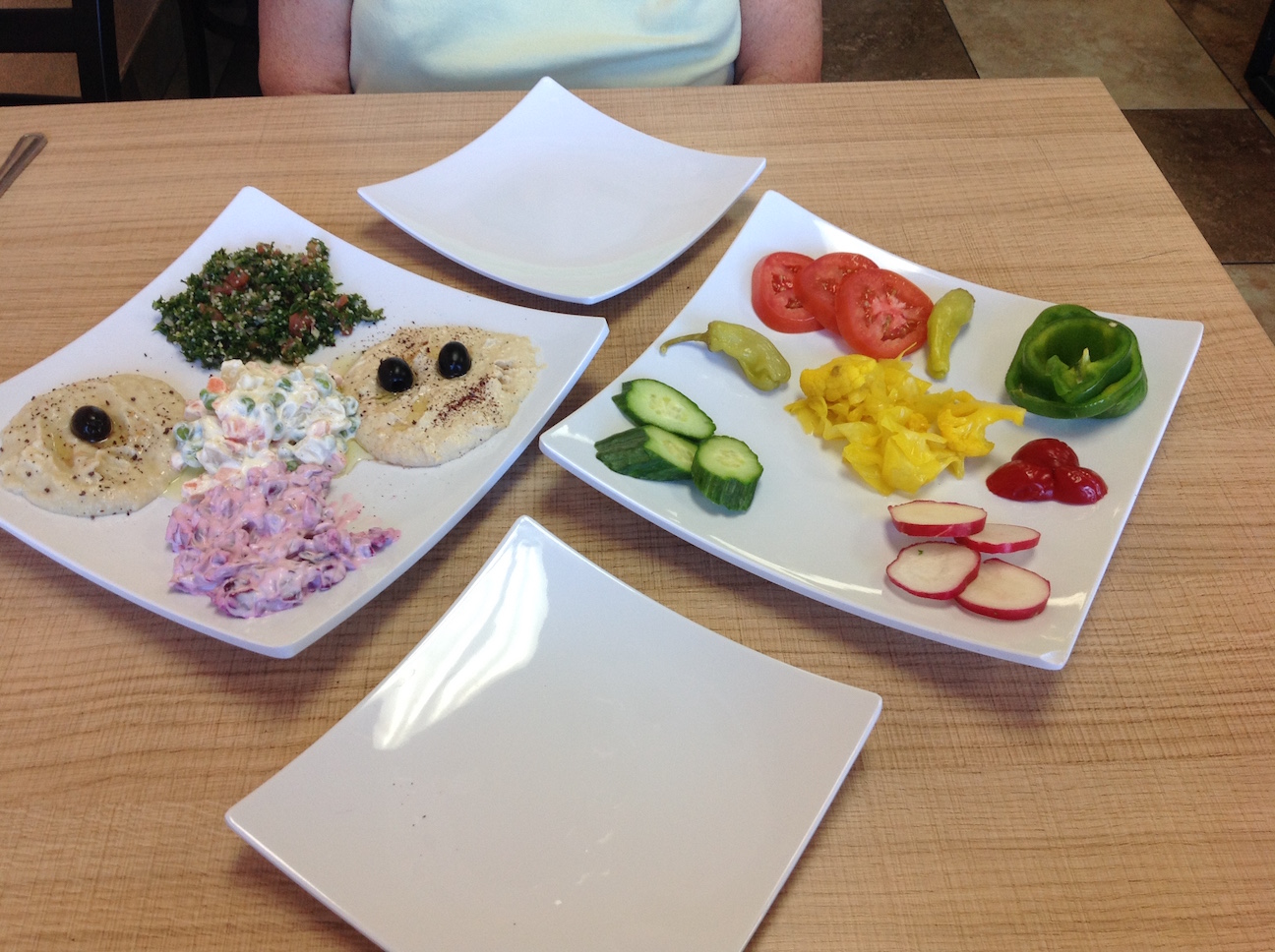
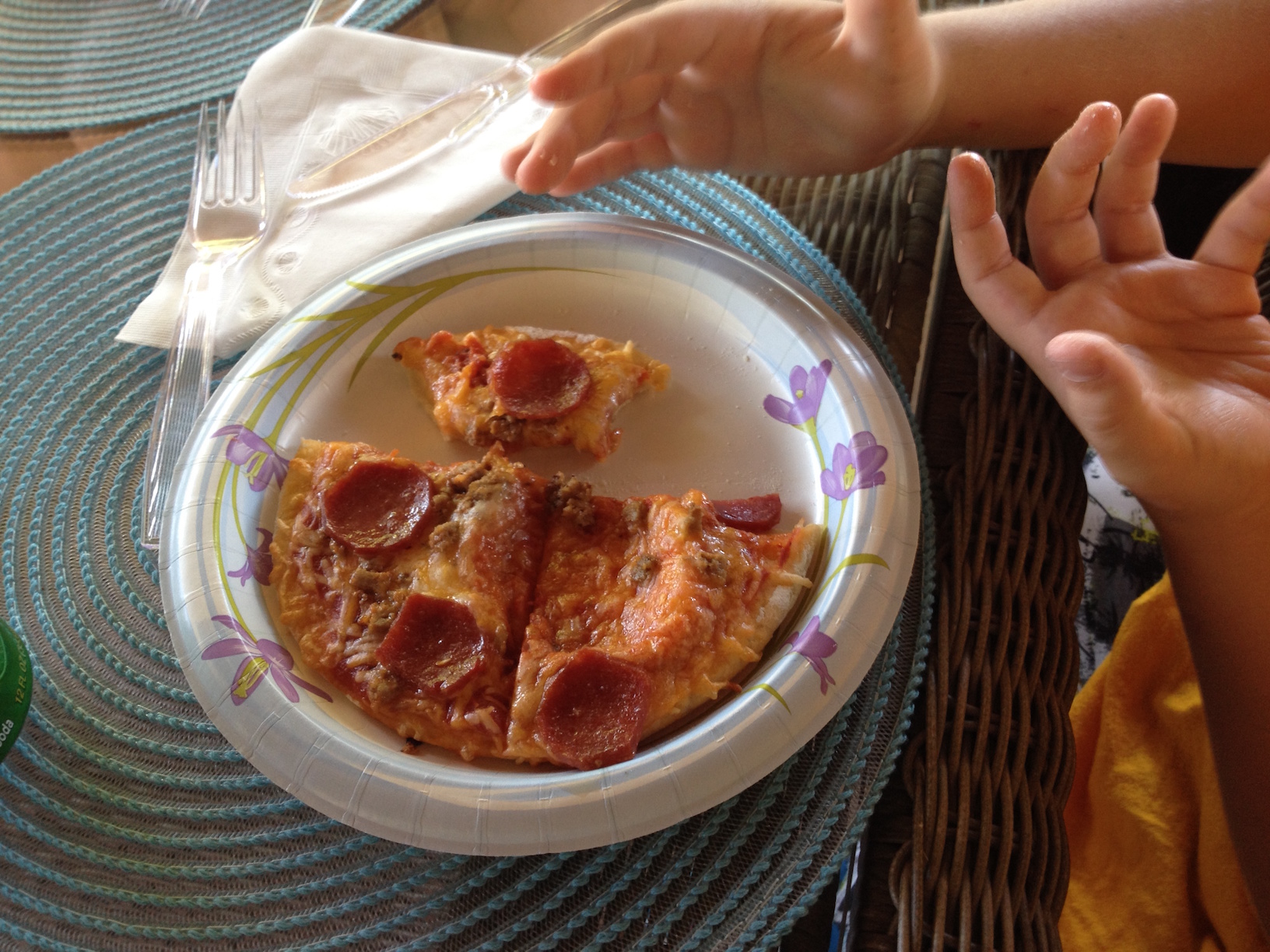
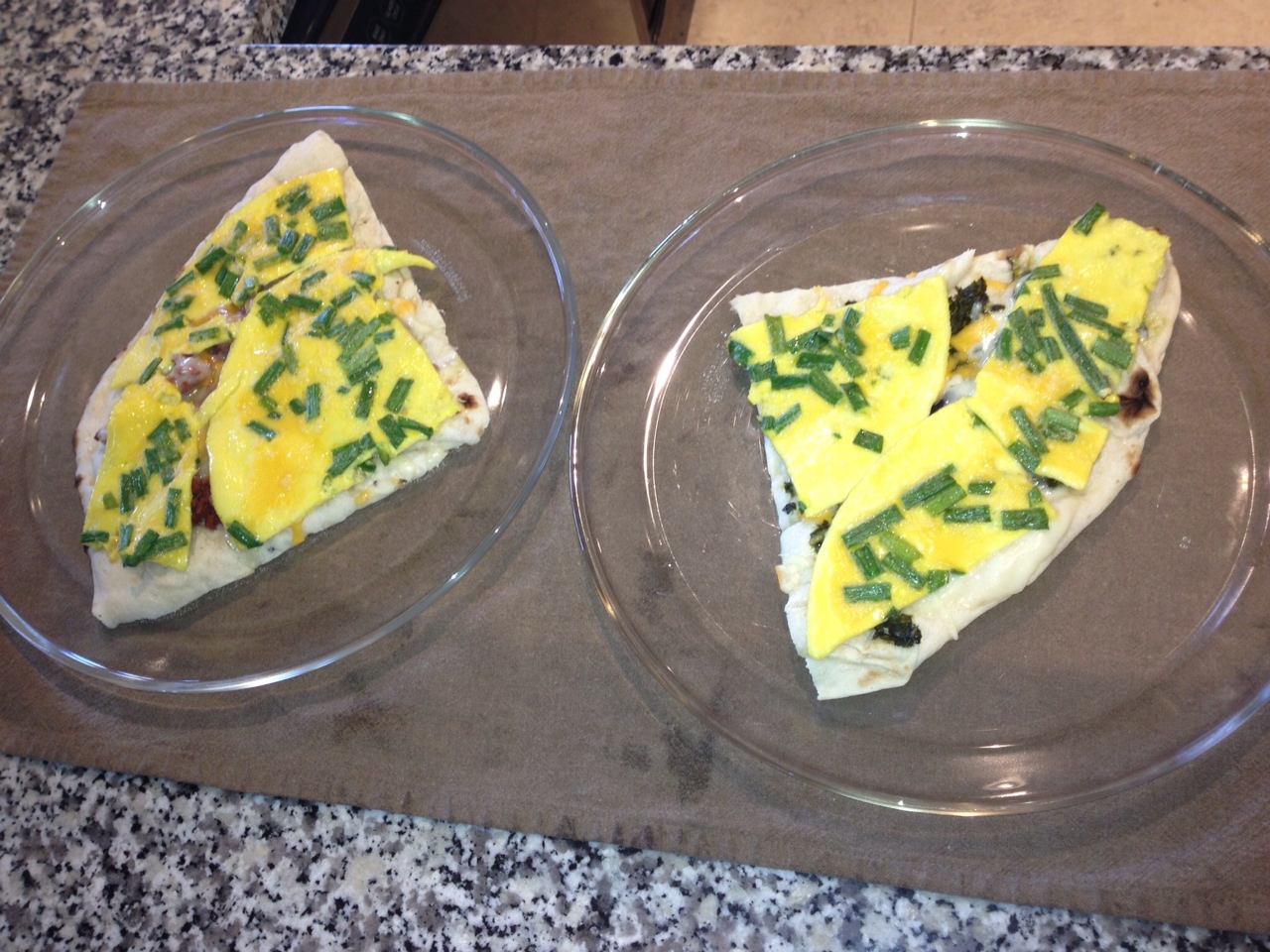
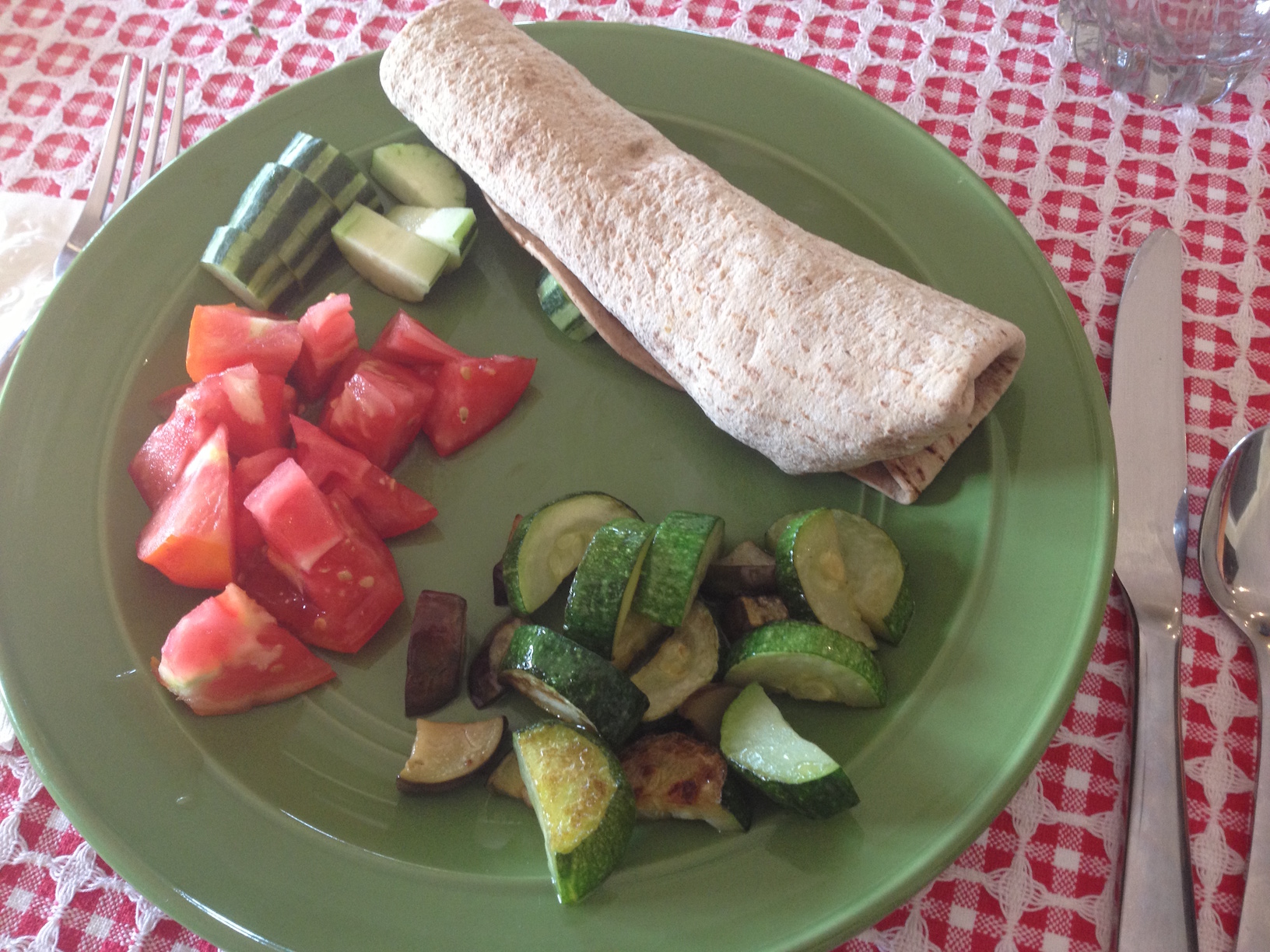
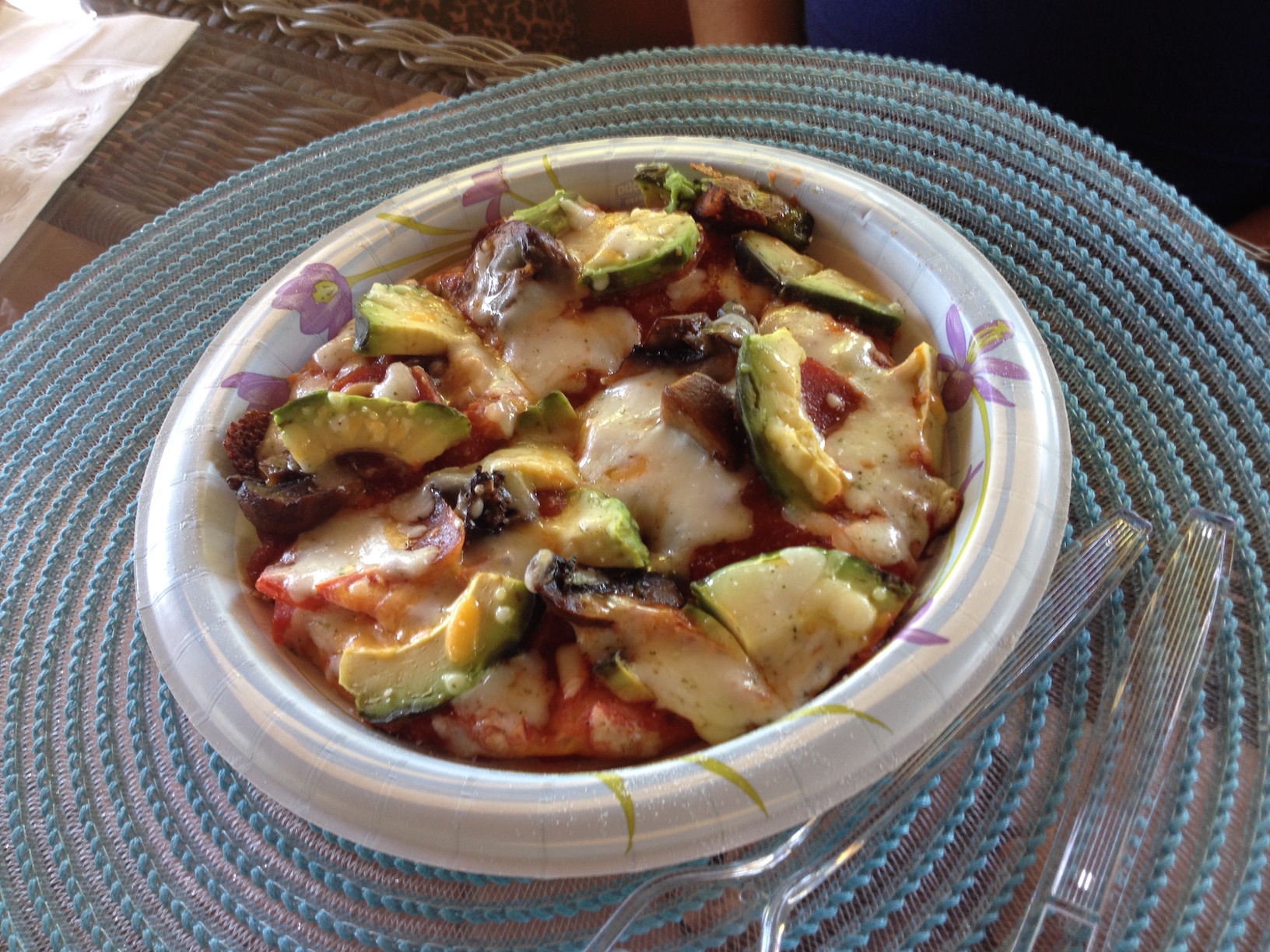
Lunch We usually eat out, sampling different restaurants in The Valley. In the photos are a sample plate, mini pizza, burrito, quiche, pitas and a lunch pie.
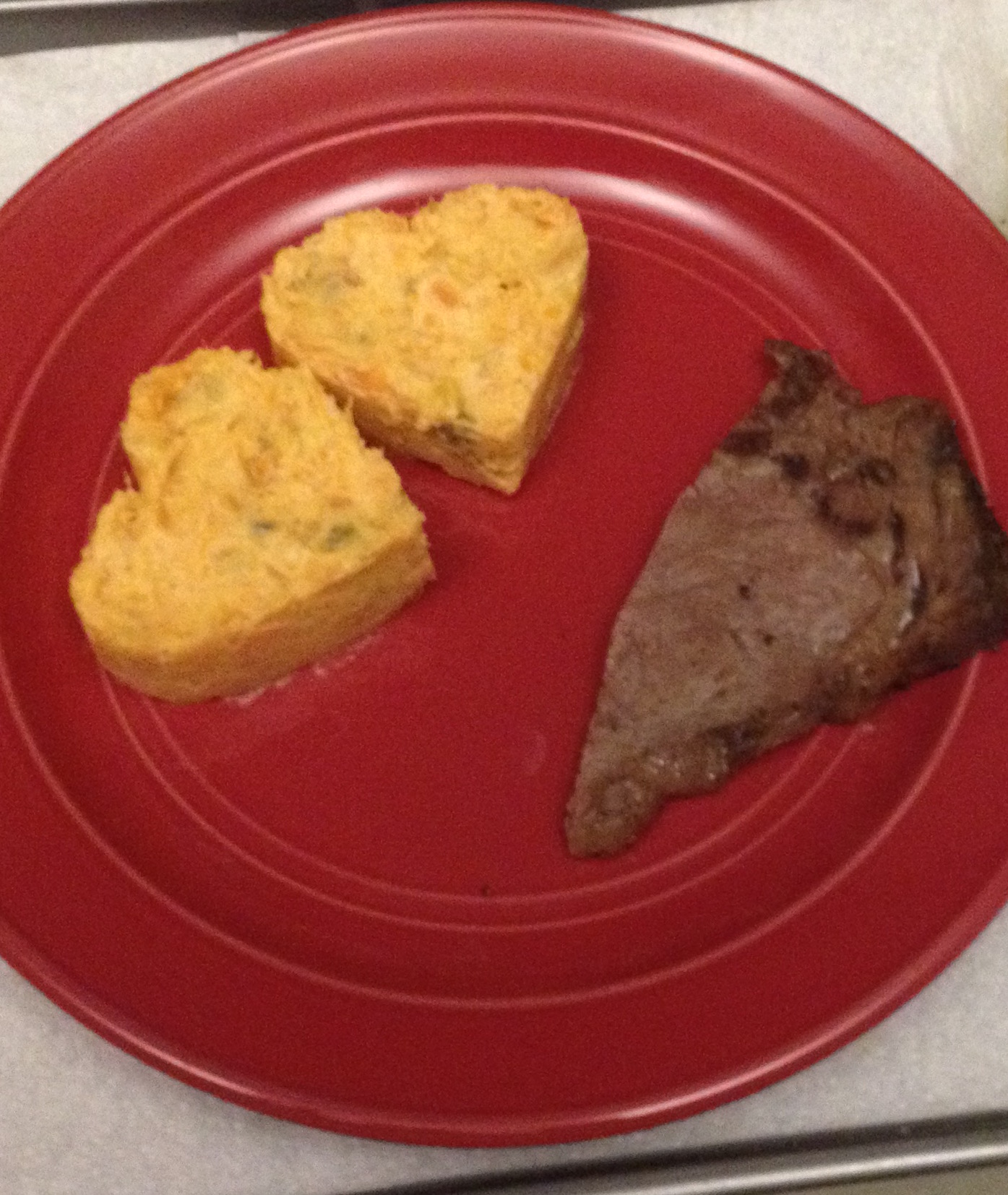
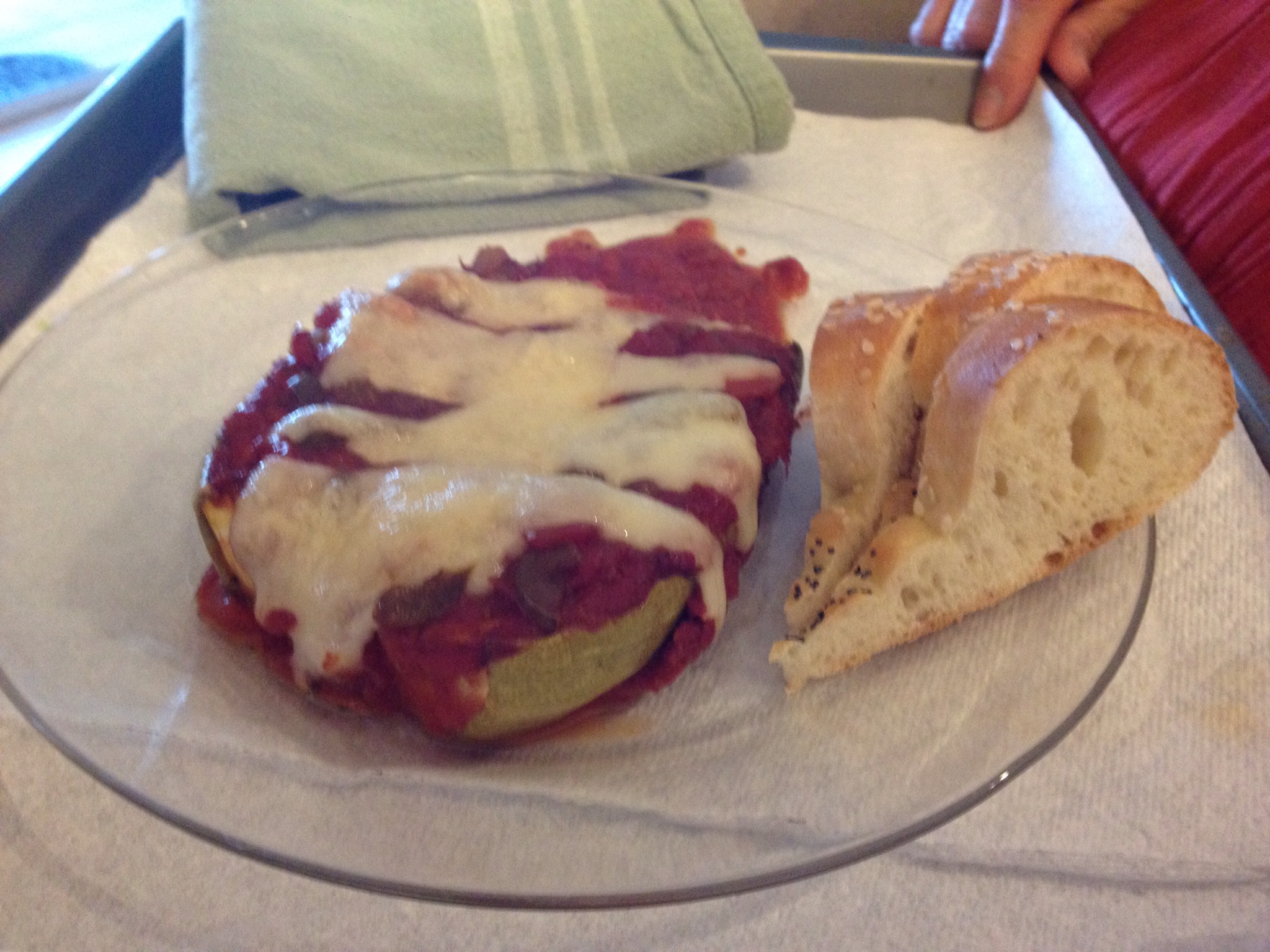
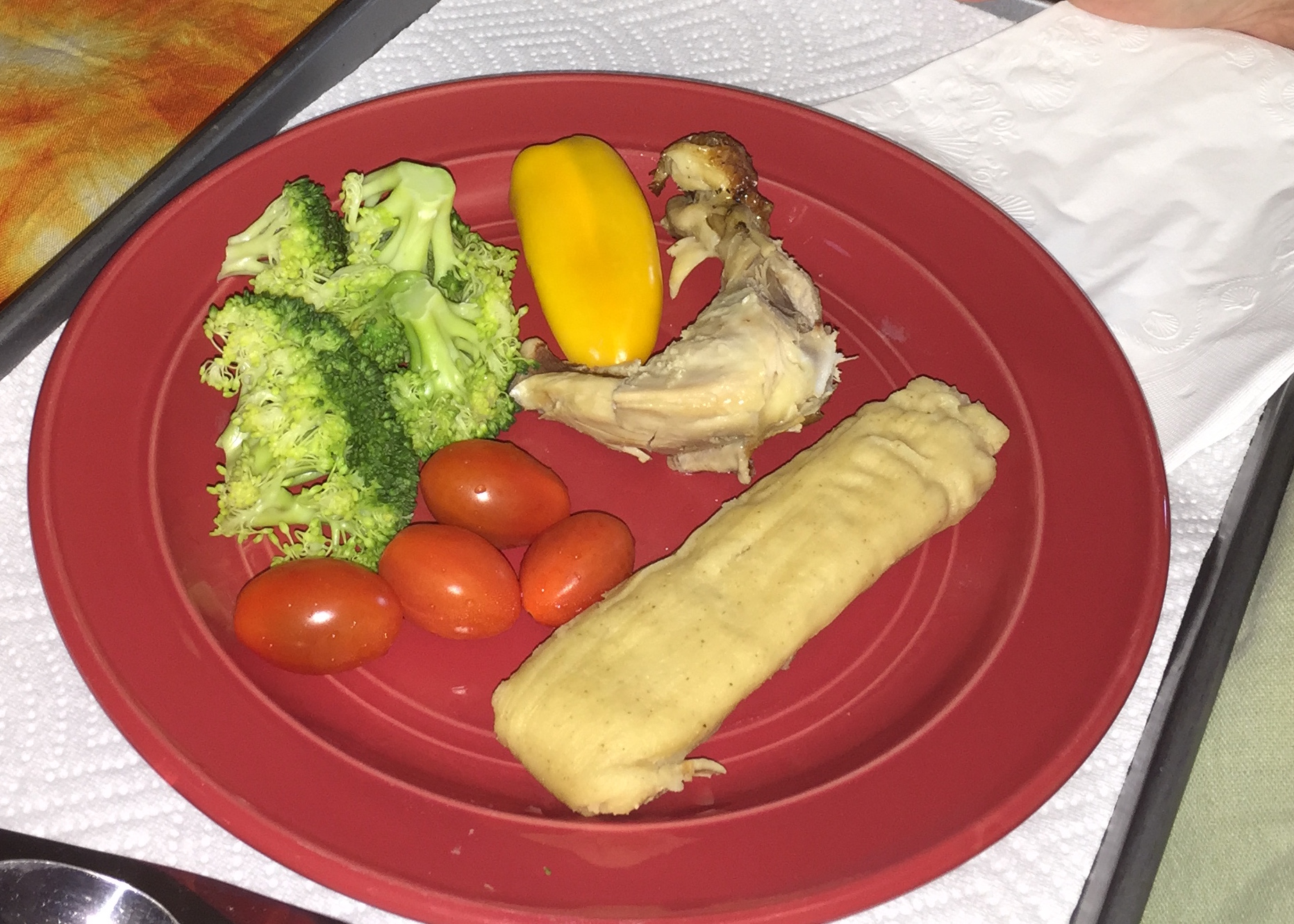
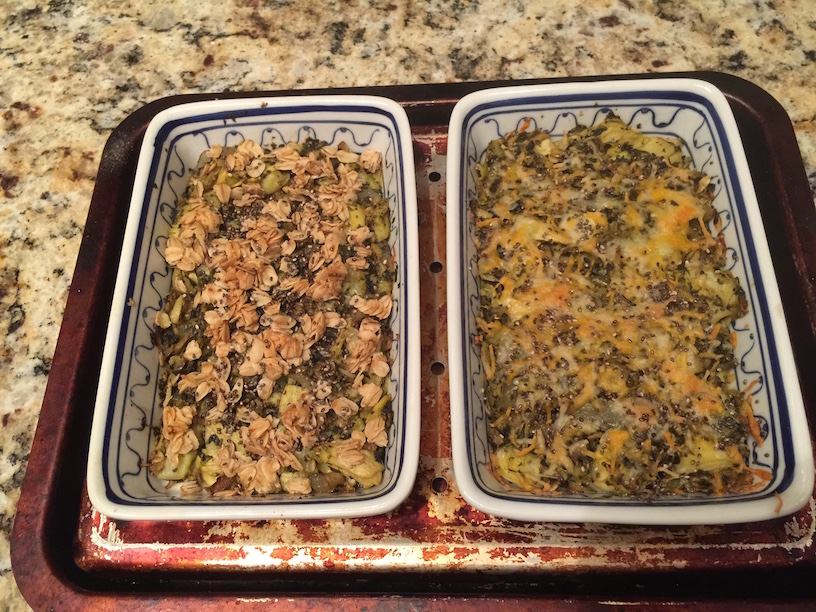
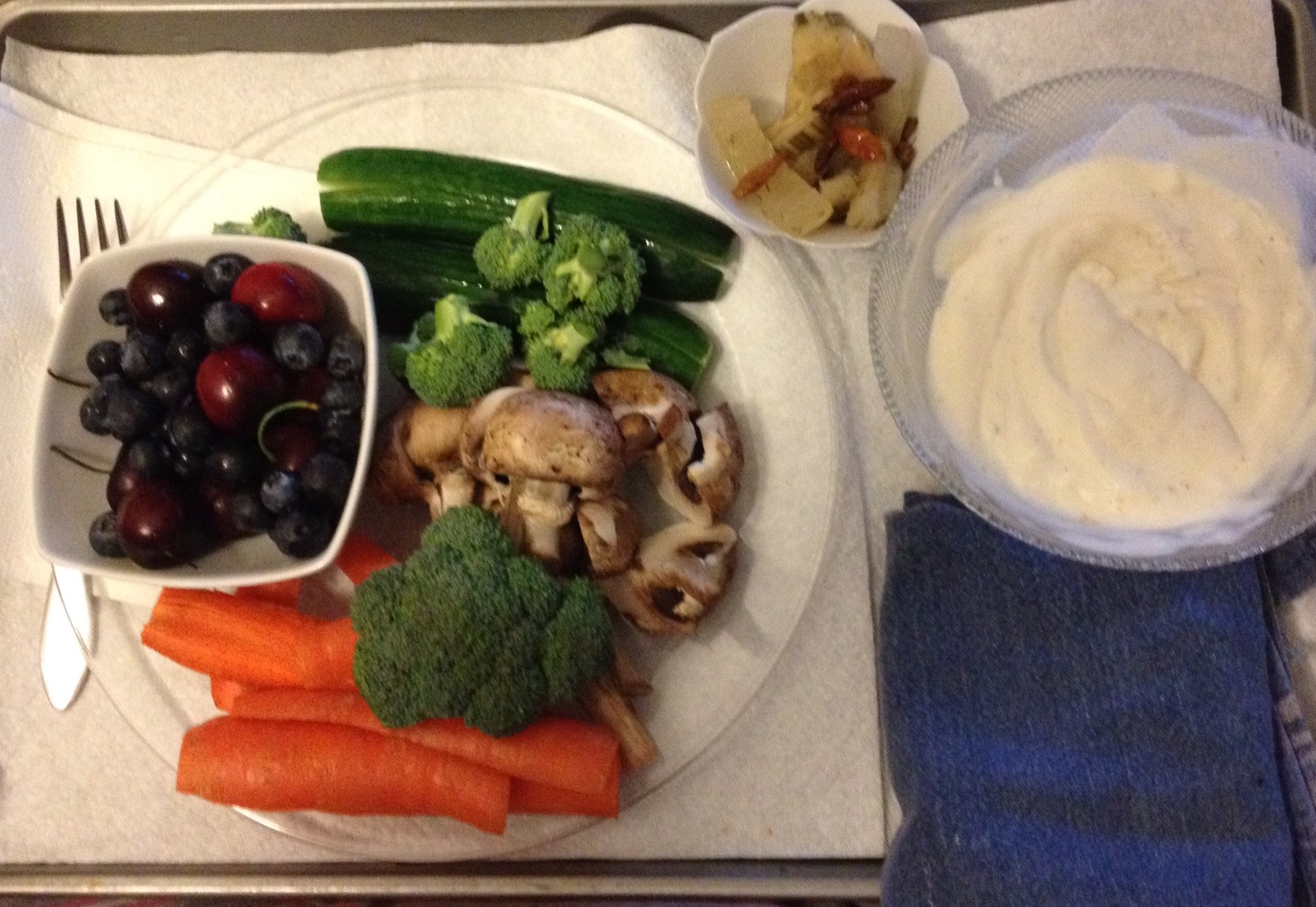
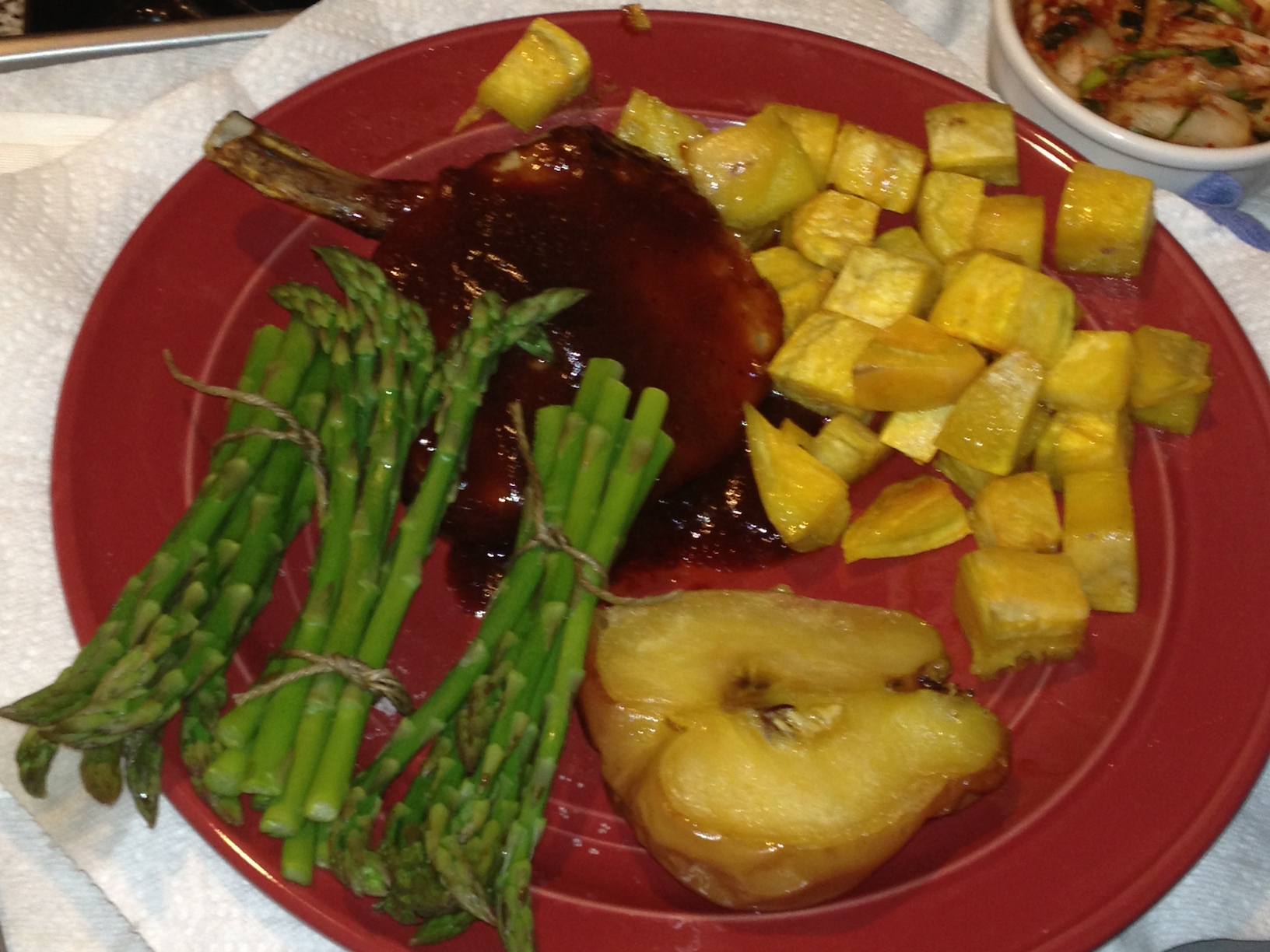
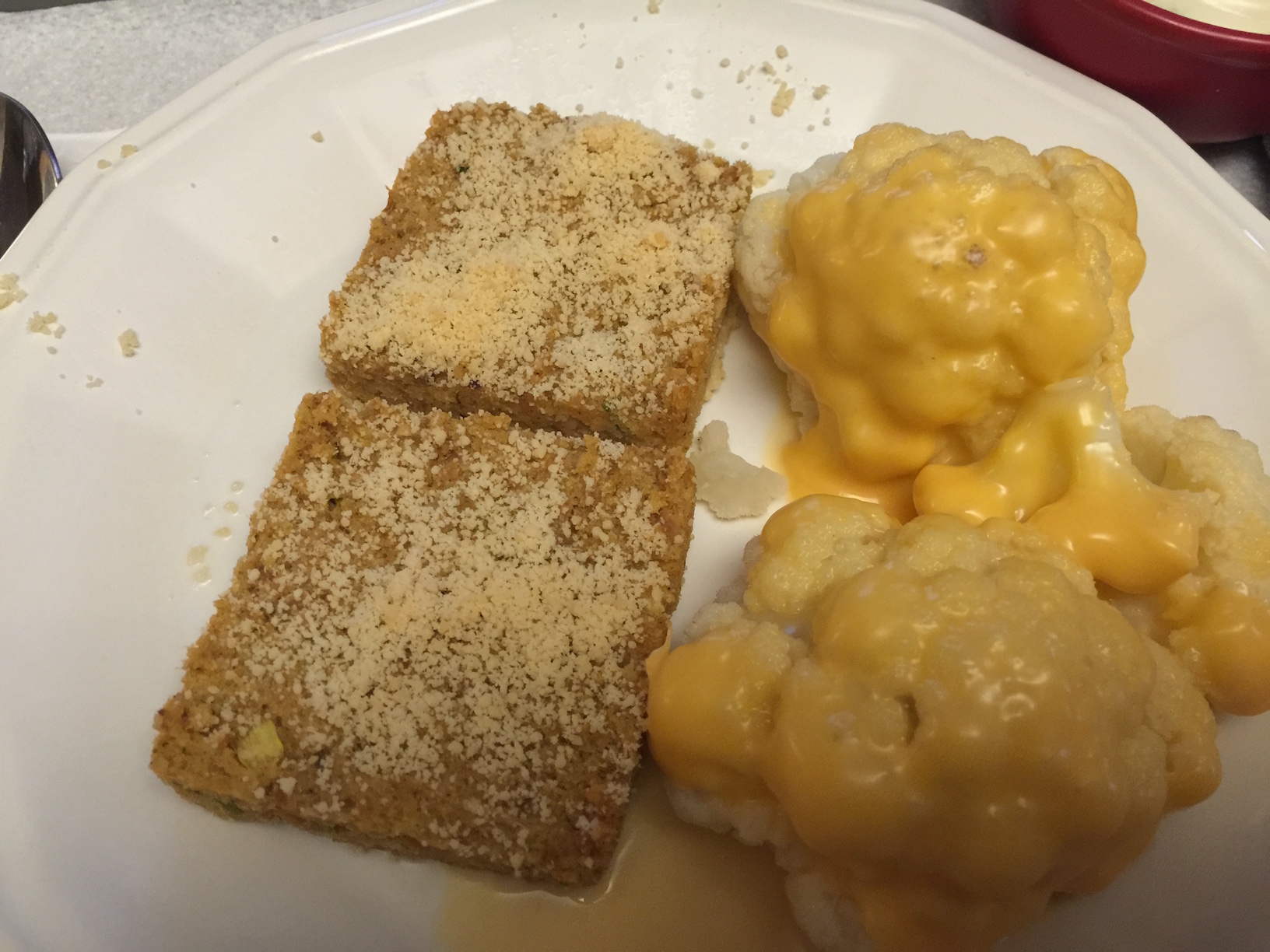
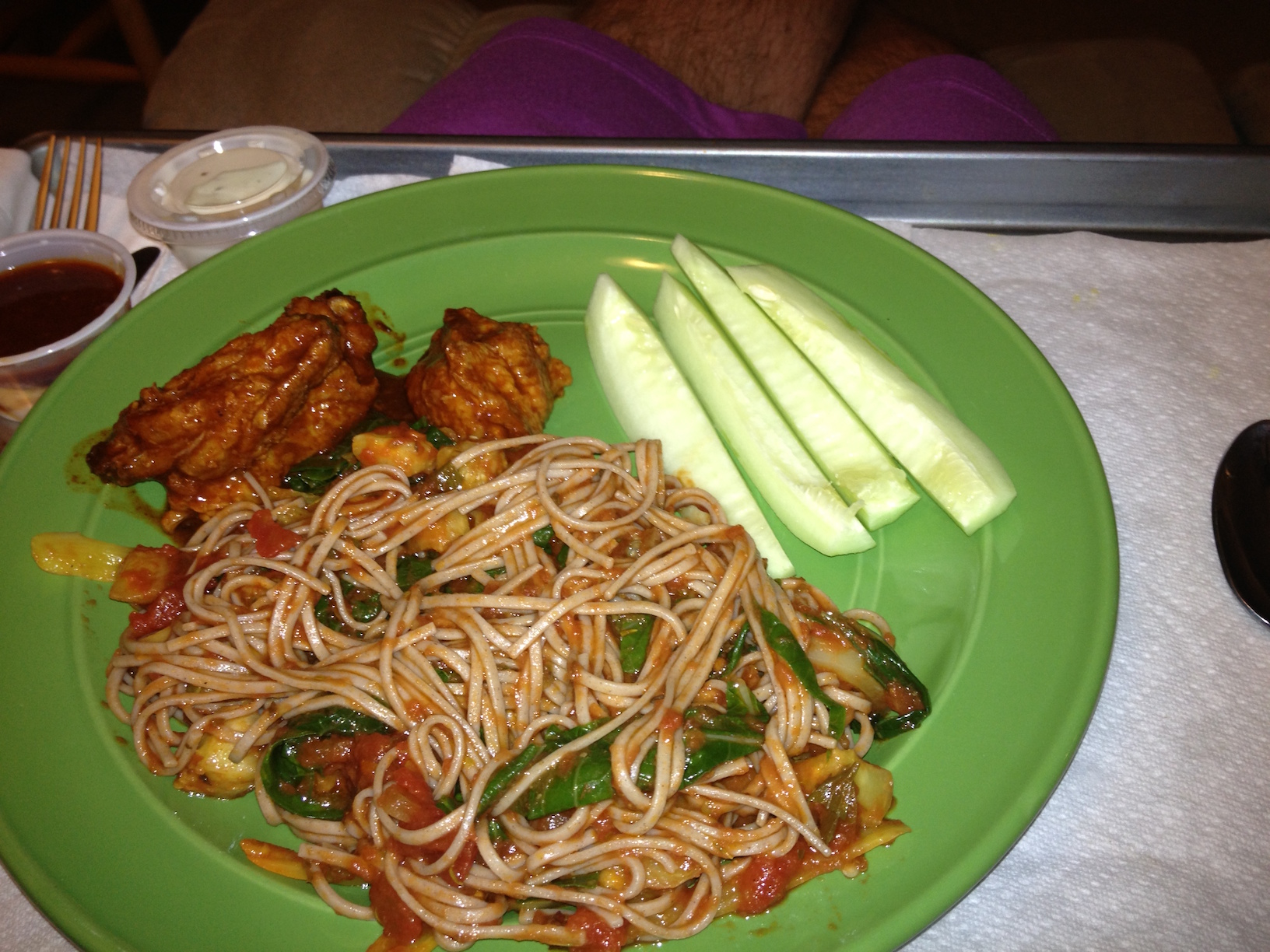
Dinner Photos include lots of casserole type dishes, vegetables, pasta, Mexican cuisine, and other International cuisine.
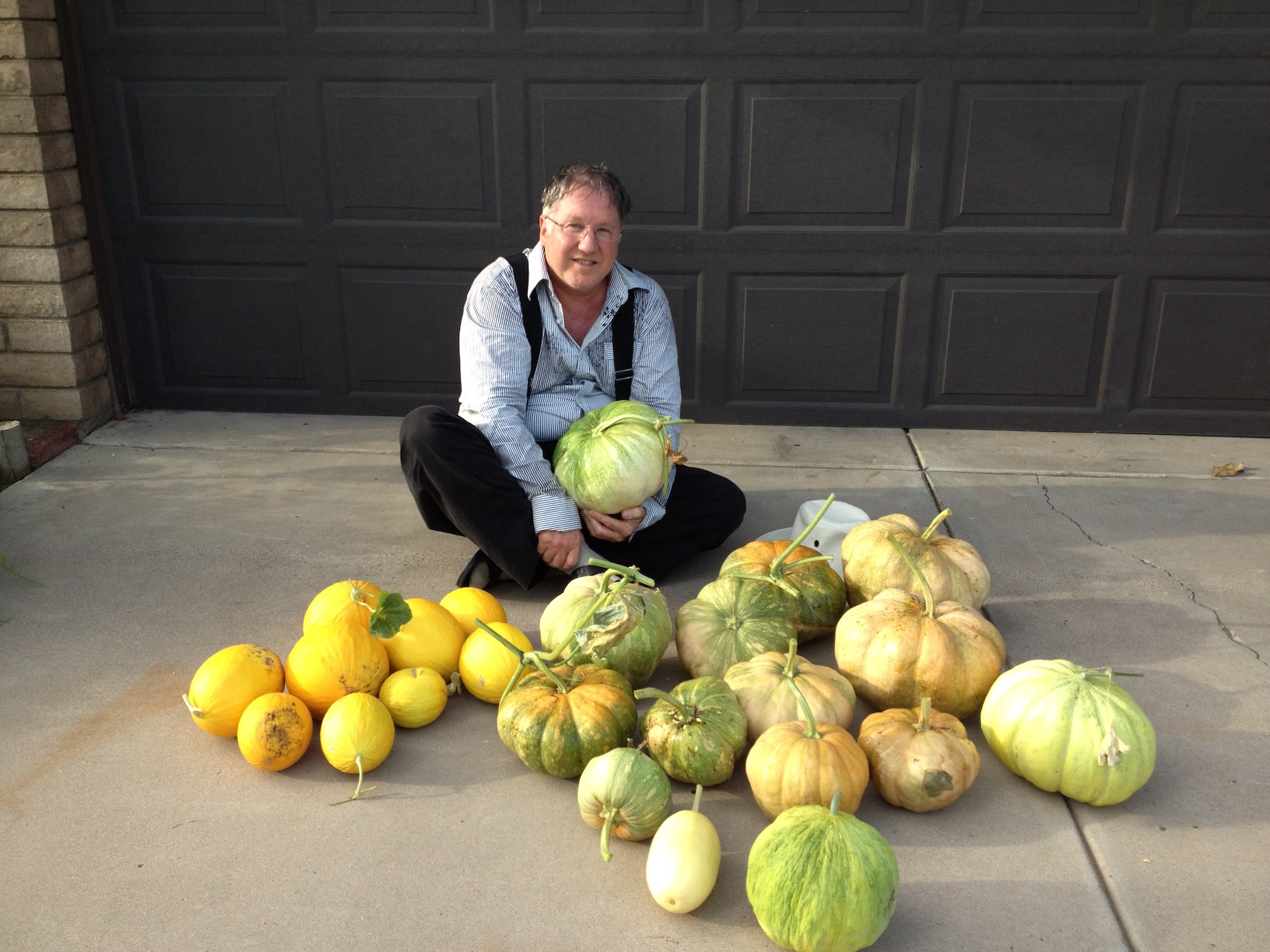
Grand Kids I have two year-old grand children, and six others ranging from 8 to 14 The oldest is in the Phoenix Childrens’ Chorus, which travels around the world.
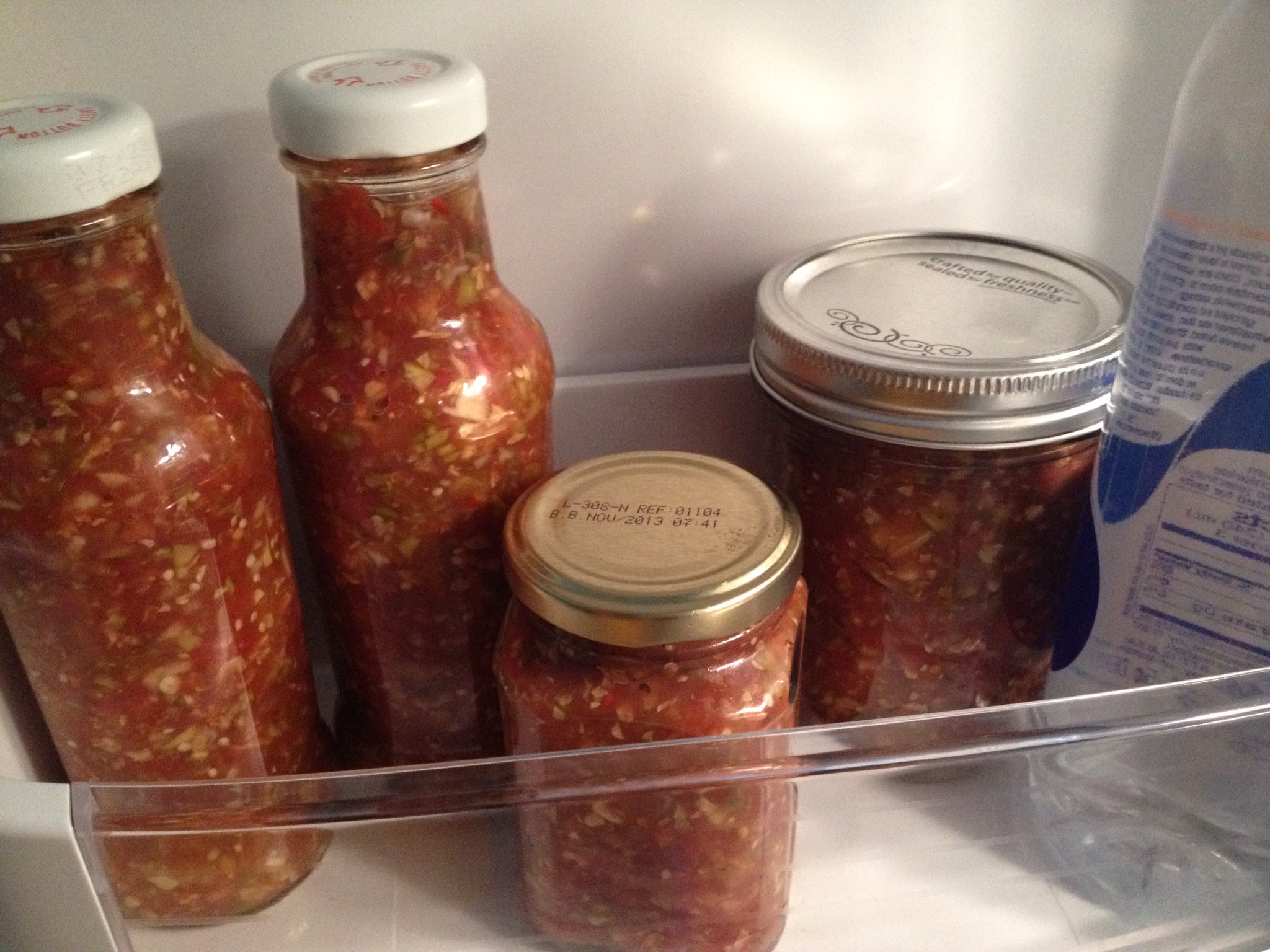
Jalapeno The jalapeño chili paste is my own creation. The photo shows the aging bottles. At about eight months, I blend the ingredients and run them through a food mill
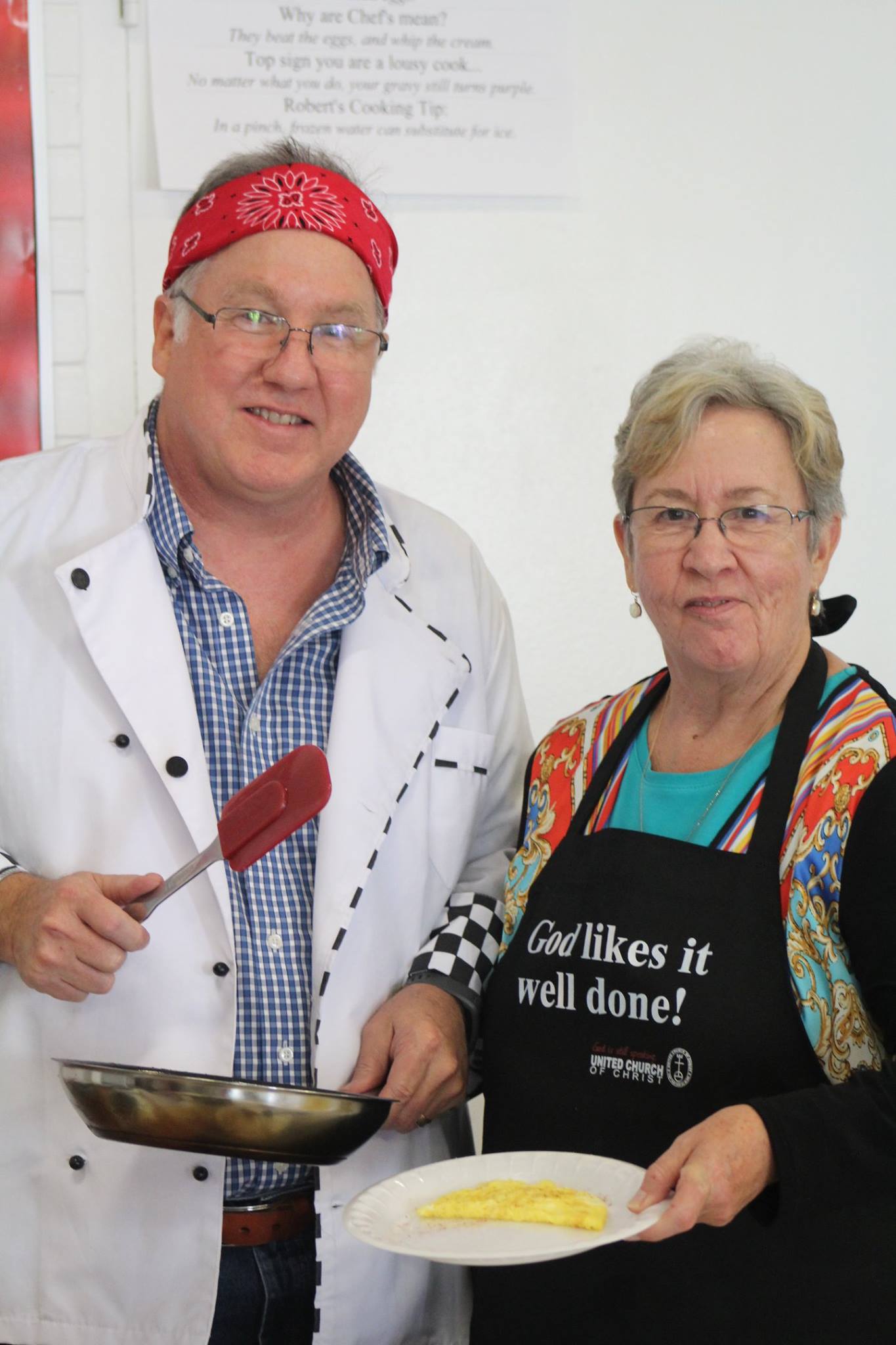
Robert Photos of Robert show him on his travels, with his grandkids, his wife in the center of their Urban Farm, and in his hospital uniform. His service dog and him are on staff at Banner Hospital as volunteers in the therapy dog program. Every easter I prepare about 80 omelets over a 30 minute period for breakfast.
The Girls are in the last photo. Fresh eggs every morning!
PROMOTIONAL
Tips: Storing Fruits and Veggies
Fruits and Veggies – Storing Them
Strawberries
. No mold
. Smaller is sweeter
. Moisture is BAD
. wash, dry, spin
. Put in paper towels, refrigerate
Melons . Cantaloupe
. Look and feel heavier than it looks
. Netting should be raised
. Soft, but not mushy
. Should not be yellow . Over ripe
. Deseed over a strainer
. . Press over 1 C simple syrup . Smoothie?
. Celophane is a good wrap for cut melons
Corn
. Buy . Tight hush is fresh
. . Loose is drying out
. . Pop off one kernel easily is fresh
. Store . On counter in bag with hole or paper
. . Store as they are displayed at the grocery
. Freeze . Cut off, spread out, freeze, bag
. . 6-8 months
. Prepare . Do not overcook
Herbs – parsley, thyme, rosemary, cilantro
. Buy . Make sure not wilted . Smell
. Rinse them and shake
. Wrap in paper towel, store in plastic bag
. BASIL – Stay away from water
. . Store like flowers . Put in a vase
. . Plastic bag here is OK
. Long term storage – Cut them up and put them in an ice cube tray
Broccoli, Lettuce and Celery
. Wrap loosely in aluminum foil
Berries and Cherries
. Don’t wash
. Store in humidor
Avocado
. Store halved avocado with the pit still in it – – GUACAMOLE
. Store in the container with water over the top
. When ready to use, pour off the water and stir it a bit
Tips: Salads
- Tomatoes are at their tastiest when eaten at room temperature. If you’re assembling a salad in advance and refrigerating, put the tomatoes in a small separate bowl, and let them sit out on the counter for 30 minutes or so before serving the salad.
- Cut a tomato “upside down” because it tends to dull your knife when you cut through with the skin side on top.
Tips: Omelets
- Don’t get your skillet too hot, or it will burn before it fully sets
- Be patient. Slower is better.
- 1 egg is 1.5 ounces – two is 3.0 ounces – three is 4.5 ounces
- Some great omelet and frittata filling suggestions
- Asparagus, ham, Parmesan cheese, parsley
- Gruyere and mushroom
- Feta and spinach
- Bellpeppers and onion.
OTHER COMMENTS
The easiest way to get egg shells in your eggs is to baby them. Slap them firmly on the edge of the sink to crack the shell, then decisively split the shells apart. No fuss, no muss.
If you do get a shell piece in your egg, use the edge of the broken shell to scoop it out.